Category: Uncategorized
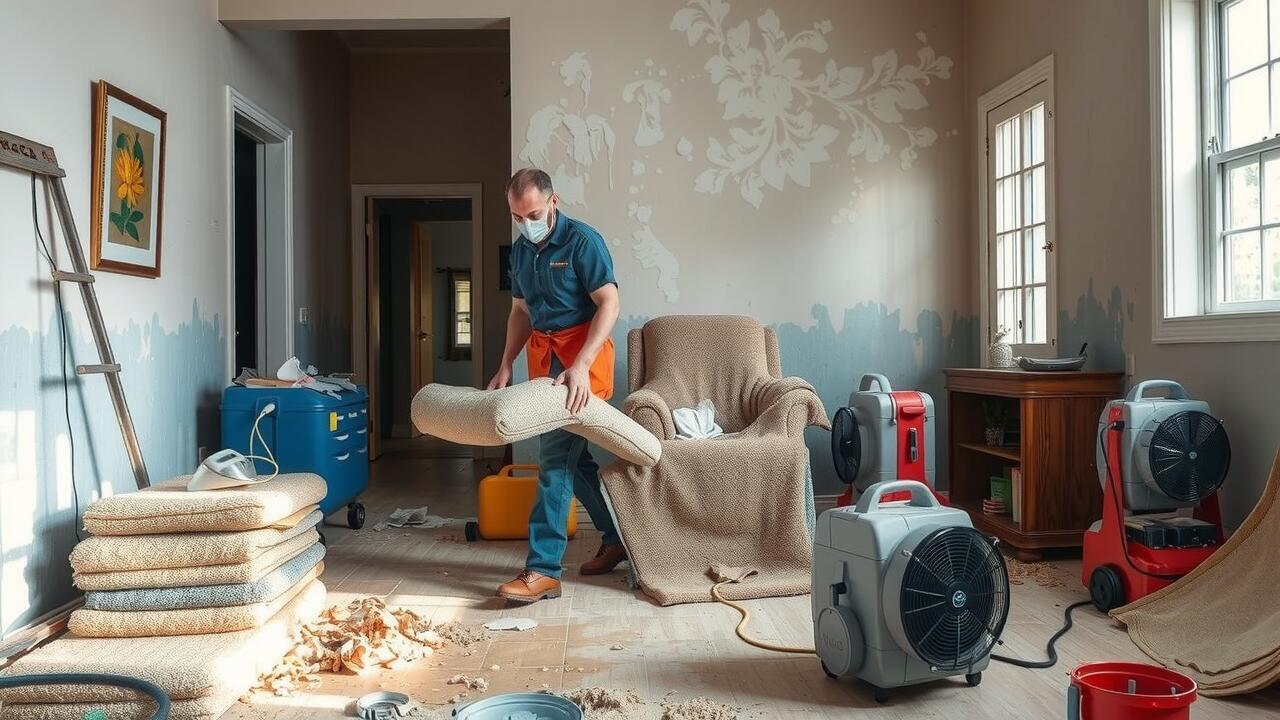
Table Of Contents
The Role of Materials in Mold Development
Certain materials play a significant role in the development of mold after a flood. Porous materials, such as wood and drywall, absorb moisture quickly, creating ideal conditions for mold growth. In contrast, non-porous surfaces, like metal or plastic, resist moisture absorption and are less likely to harbor mold. Understanding these differences is crucial during the flood damage restoration process, as the choice of materials used for repairs can influence the risk of mold resurgence.
The speed at which mold sets in can also depend on other factors, such as temperature and humidity levels. Warm, damp environments are particularly conducive to mold growth. After flood damage restoration, it is essential to dry affected areas thoroughly and promptly to reduce moisture levels. This proactive approach can help mitigate the risk of mold and protect the integrity of the building and the health of its occupants.
Porous vs. Non-Porous Surfaces
Porous surfaces, such as wood, drywall, and carpeting, are particularly susceptible to mold growth after a flood. These materials can absorb moisture quickly, creating an ideal environment for mold spores to thrive. Even after the visible water has been removed, the dampness within these surfaces can promote a rapid colonization of mold, potentially leading to structural damage and health hazards.
Non-porous surfaces, including tiles, metal, and glass, are less likely to support mold growth. While water may pool on these materials, they do not retain moisture as effectively as porous surfaces do. However, it’s still crucial to conduct thorough cleaning and drying of non-porous items following a flood. Flood damage restoration efforts should focus on both types of surfaces to mitigate the risk and prevent long-term consequences associated with mold exposure.
Health Risks Associated with Mold Exposure
Mold exposure poses significant health risks that can affect individuals differently based on their sensitivity and overall health. Common symptoms include respiratory issues, such as coughing and sneezing, as well as skin irritations. Those with pre-existing conditions, like asthma or allergies, may experience aggravated symptoms upon exposure. Furthermore, mold can produce mycotoxins, which are harmful substances that can lead to more severe health problems if inhaled or ingested.
Addressing mold growth promptly after incidents such as flooding is crucial for safeguarding health. Flood damage restoration efforts should focus on thorough drying and cleaning of affected areas to minimize mold growth. Ignoring the presence of mold can lead to chronic health issues over time, underscoring the importance of swift and effective remediation in any flood recovery process.
Symptoms of Mold-Related Health Issues
Exposure to mold can lead to a variety of health issues, particularly for individuals with respiratory conditions, allergies, or weakened immune systems. Common symptoms include sneezing, coughing, eye irritation, and skin rashes. Some people might experience more severe reactions, such as difficulty breathing or asthma attacks. The presence of mold can significantly impact the health of those living in affected environments, making it crucial to address mold problems promptly.
In the aftermath of a flood, seeking professional help for Flood Damage Restoration is essential not only for structural integrity but also for health safety. Identifying and mitigating mold growth should be a priority to reduce the risk of long-term health complications. Left unchecked, mold can create an environment ripe for chronic health issues, emphasizing the importance of timely intervention and remediation efforts.
Prevention Measures After a Flood
After a flood, prompt action is crucial to minimize the risk of mold growth. Begin by removing any standing water immediately, as stagnant moisture creates an optimal environment for mold spores to thrive. Utilize pumps and wet vacuums for effective extraction. Once the water is removed, dry out affected areas using fans and dehumidifiers. This attention to ventilation is key, as it helps to disperse lingering moisture that could lead to further problems.
In addition to immediate measures, assessing materials is essential for successful Flood Damage Restoration. Porous materials such as carpets, drywall, and insulation may need to be replaced if they have absorbed significant amounts of water. Non-porous surfaces can often be cleaned and disinfected but should also be monitored for any hidden moisture. Regular inspections and maintenance of the repaired areas will help ensure that mold doesn’t return.
Immediate Actions to Take
After experiencing a flood, taking immediate action is crucial to minimize mold growth. Start by removing excess water from your home as quickly as possible. Use pumps and wet vacuums to extract water from floors and carpets. Open windows and doors to improve ventilation and promote drying. Items that are wet, especially porous materials like carpet and drywall, should be removed or replaced as necessary. It is vital to begin this process within 24 to 48 hours to reduce the chances of mold setting in.
Engaging professionals for Flood Damage Restoration can greatly enhance your recovery efforts. They possess specialized knowledge and equipment essential for thorough water extraction and drying. Additionally, they can help identify areas at risk for mold growth that might be overlooked. Their expertise facilitates not only restoration but also the mitigation of long-term health risks associated with mold exposure. Ensuring that your home is properly dried and treated reduces the likelihood of further complications.
FAQS
How quickly can mold start to grow after a flood?
Mold can begin to develop within 24 to 48 hours after a flood if the conditions are right, particularly with damp and humid environments.
What factors influence the speed of mold growth after flooding?
Factors such as temperature, humidity, and the type of materials present can significantly influence how quickly mold will grow after a flood.
Are porous materials more susceptible to mold growth?
Yes, porous materials like wood, drywall, and fabric tend to absorb moisture, making them more susceptible to mold growth compared to non-porous surfaces.
What are the health risks associated with mold exposure after a flood?
Exposure to mold can lead to a variety of health issues, including respiratory problems, allergic reactions, and other mold-related illnesses.
What immediate actions should I take to prevent mold growth after a flood?
It’s important to dry out the affected areas as quickly as possible, remove any standing water, and clean and disinfect surfaces to help prevent mold growth.
Related Links
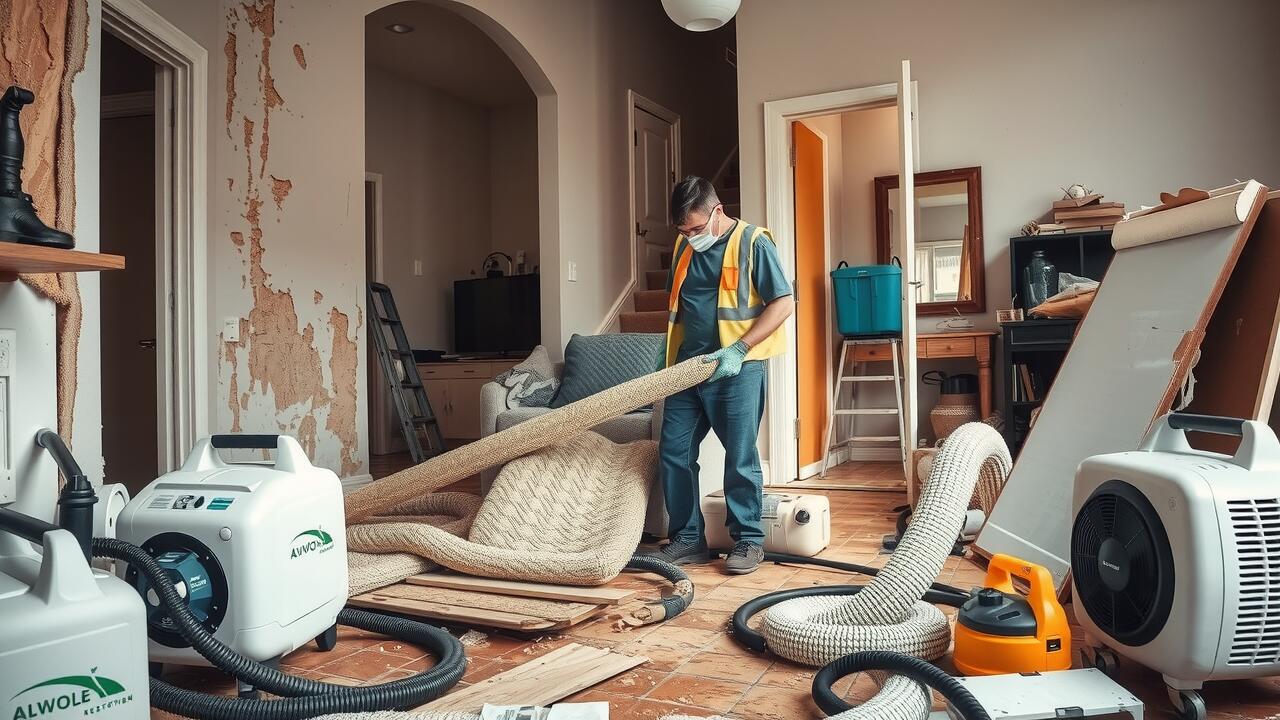
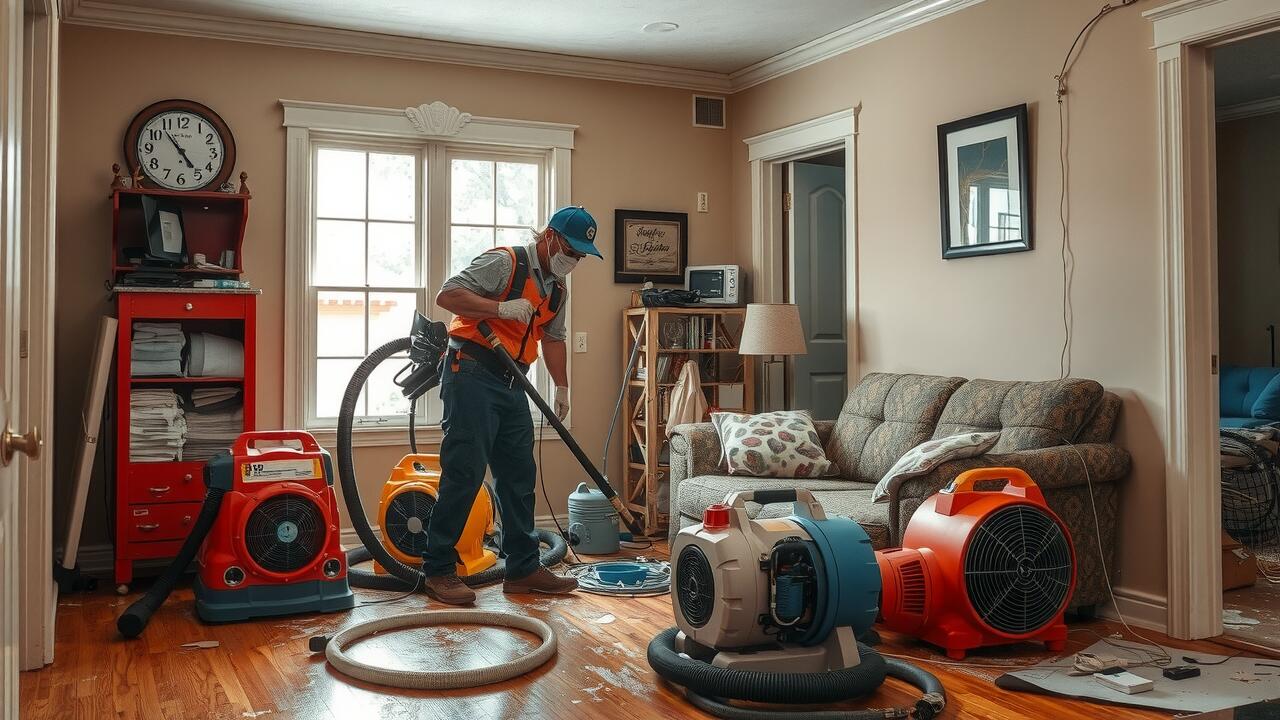
Table Of Contents
Insurance Coverage Considerations
When assessing the financial implications of rebuilding after a flood, understanding your insurance coverage is crucial. Homeowners should review their existing policies to identify specific protections against water damage. Policies can vary significantly in what they cover, particularly concerning floods, which often require separate flood insurance. Familiarity with these details can help homeowners avoid unexpected costs during the rebuilding process.
Individuals seeking assistance may find it beneficial to search for “Flood Damage Restoration near me“. This approach not only helps locate local services for cleanup and repairs but also provides insights into common rebuilding costs in the area. Engaging with restoration professionals can clarify the extent of damage and the necessary steps to restore the property effectively, ensuring homeowners make informed financial decisions.
Navigating Flood Insurance Policies
Understanding flood insurance policies is crucial for homeowners facing the aftermath of a flood. Policies can vary significantly in their coverage and limitations. It’s essential to scrutinize the terms, particularly looking for specifics about what types of flood damage are covered and the coverage limits. Many homeowners may discover that their standard homeowners insurance does not include flood damage. This often leads individuals to seek additional flood insurance through the National Flood Insurance Program (NFIP) or private insurers.
Locating reliable restoration services is another key aspect of the recovery process. Searching online for “Flood Damage Restoration near me” can yield local professionals who specialize in rebuilding and restoring homes after floods. These experts can provide necessary evaluations, assisting in navigating the insurance claims process while ensuring repairs meet current building codes. With the right policies in place and qualified professionals on hand, homeowners can effectively manage the challenges posed by flood recovery.
Material Costs for Repairs
Material costs for repairs after a flood can vary significantly based on the extent of the damage and the quality of materials chosen. Homeowners may need to replace drywall, insulation, flooring, and structural elements, all of which contribute to the overall expense. It’s crucial to account for changes in pricing due to supply chain issues or regional market fluctuations. Those seeking to rebuild should carefully assess their needs and budget accordingly to ensure that they select materials that offer both durability and longevity.
When comparing prices for building supplies, it’s advisable to shop around and obtain quotes from multiple suppliers. Local businesses often have insights into the best options, while online stores can provide a broader range of choices. For personalized help, searching for “Flood Damage Restoration near me” can lead to local experts who can offer recommendations on affordable yet reliable materials. Balancing quality and cost is essential in creating a safe and resilient environment after flood damage.
Comparing Prices for Building Supplies
When rebuilding after a flood, comparing prices for building supplies is essential for managing budget constraints. Local hardware stores and larger home improvement centers often differ in pricing. It can be beneficial to check online resources and catalogs for deals or discounts. Additionally, consider sourcing materials from wholesalers or directly from manufacturers to find the best possible prices.
Finding reliable suppliers frequently leads to more favorable costs. It’s common for contractors to have established relationships with certain suppliers, which may afford them better rates. Researching “Flood Damage Restoration near me” can also uncover local businesses that might offer competitive pricing on necessary materials. Evaluating multiple options ensures you get the best value for your rebuild while sourcing quality supplies efficiently.
Timeframe for Rebuilding
The timeframe for rebuilding after a flood can vary significantly based on several factors, including the extent of the damage and the availability of contractors. When assessing the situation, homeowners may want to consider contacting professionals for estimates. Many people search for services online, often using terms like “Flood Damage Restoration near me” to find local experts who can provide immediate assistance. Engaging with qualified restoration companies can help streamline the rebuilding process and furnish a more accurate timeline.
Delays can often arise due to supply chain issues or unexpected complications during construction. Securing permits and aligning schedules with contractors can further extend the project duration. Preparing for the possibility of setbacks is crucial for homeowners as they navigate the rebuilding process. Clear communication with chosen professionals about timelines and expectations can also aid in minimizing frustrations.
Project Timelines and Delays
Rebuilding after a flood can often extend beyond initial expectations. Many homeowners face delays due to various factors, such as securing necessary permits, coordinating with insurance adjusters, or waiting for materials to arrive. Local demand for contractors might also influence timelines. As work progresses, unexpected issues could arise, further complicating the schedule. It is essential to plan for these potential setbacks when estimating a completion date.
Homeowners seeking assistance may often use search phrases like “Flood Damage Restoration near me” to find nearby services. Engaging a local restoration company could expedite the process, as these professionals typically understand regional regulations and supply chains. Timely communication with both contractors and insurance representatives is crucial in minimizing delays. Staying proactive can help streamline the rebuilding experience, allowing for a smoother transition back to normalcy.
FAQS
What factors influence the cost of rebuilding after a flood?
The cost of rebuilding after a flood can be influenced by several factors, including the extent of the damage, the type of materials needed for repairs, labor costs in your area, and whether you have insurance coverage that will offset some of these expenses.
Does flood insurance cover all rebuilding costs?
Flood insurance typically covers the structure of your home and its foundation, but it may not cover additional living expenses, personal belongings, or upgrades to your home. It’s essential to review your policy to understand what is and isn’t covered.
How can I estimate the material costs for repairs?
You can estimate material costs by obtaining quotes from local suppliers, researching prices online, and considering the specific materials required for your rebuild. It’s often helpful to consult with contractors who can provide detailed estimates based on your project needs.
What should I do if I experience delays during the rebuilding process?
If you experience delays during the rebuilding process, communicate with your contractor to understand the reasons for the delays and to adjust timelines accordingly. It’s also important to stay in touch with your insurance provider to ensure that your coverage continues to apply during this time.
How long does it typically take to rebuild after a flood?
The timeframe for rebuilding after a flood can vary widely depending on the extent of the damage, availability of materials, labor resources, and weather conditions. On average, the process can take several months to over a year to complete.
Related Links

Table Of Contents
Improving Air Quality in Your Room
Improving the air quality in your room is essential for a healthy living environment. Start by assessing your current situation. Consider conducting “Indoor Air Quality Testing near me” to understand the level of pollutants present. This testing can reveal sources of contamination, such as dust, mold, or chemicals from household products. Identifying these issues allows you to take targeted actions to enhance your indoor air quality effectively.
Effective solutions can include both mechanical and natural methods. For example, using air purifiers equipped with HEPA filters can capture particles and allergens circulating in the air. Incorporating regular ventilation by opening windows or using exhaust fans helps reduce moisture and refreshes the air inside. Implementing these strategies can significantly contribute to a healthier living space and create a more comfortable atmosphere overall.
Effective Ventilation Techniques
One of the simplest ways to improve air quality in your room is through effective ventilation techniques. Opening windows regularly allows fresh outdoor air to circulate, which can considerably diminish the concentration of indoor pollutants. Utilizing exhaust fans in kitchens and bathrooms can also help, as they remove excess moisture and odors. Additionally, ceiling fans or portable fans can promote airflow, making the room feel fresher.
If you live in an area with fluctuating air quality, consider using HVAC systems that feature advanced filtration systems. These systems can effectively trap airborne particles and allergens. For individuals seeking more assurance about their indoor environment, conducting “Indoor Air Quality Testing near me” can provide valuable insights. This testing can identify specific contaminants that may not be visible but can affect health and comfort.
Natural Solutions for Cleaner Air
Natural solutions for cleaner air can significantly enhance the atmosphere in your living space. One popular approach is introducing certain houseplants known for their air-purifying properties. Plants such as snake plants, pothos, and peace lilies can help absorb toxins and release oxygen. These natural elements not only improve air quality but also add a touch of greenery to your home, creating a more inviting environment. For those seeking additional assurance regarding their indoor environment, searching for “Indoor Air Quality Testing near me” can provide a detailed assessment of pollutants present.
Another effective strategy is using natural air fresheners instead of synthetic options that may contain harmful chemicals. Essential oils, for instance, can offer both fragrance and health benefits. Citrus oils like lemon or orange can uplift the mood and create a fresh atmosphere, while lavender can promote relaxation. Incorporating these natural methods into your daily routine can lead to noticeable improvements in your room’s air quality, fostering a healthier living space.
Plants That Purify Indoor Air
Certain plants have been shown to effectively improve indoor air quality. Species such as the spider plant, peace lily, and snake plant are particularly beneficial in filtering out common toxins like formaldehyde and benzene. Incorporating these plants into your living space can not only enhance the aesthetic but also contribute to a healthier environment. Their natural ability to absorb pollutants helps create a more pleasant atmosphere.
If you’re concerned about the air quality in your home, seeking out “Indoor Air Quality Testing near me” can provide valuable insights. This testing can identify specific pollutants that your plants may help mitigate. Understanding the levels of various contaminants allows you to make informed choices about which plants to bring into your space for maximum benefit.
Regular Maintenance for Better Air Quality
Maintaining a clean and organized living space is essential for enhancing indoor air quality. Regular dusting, vacuuming, and mopping help eliminate allergens and pollutants that contribute to poor air conditions. Consider using a vacuum equipped with a HEPA filter to better trap dust and particulate matter. Additionally, cleaning surfaces and textiles, such as curtains and upholstery, can reduce the buildup of harmful substances over time.
For those concerned about their indoor air quality, scheduling professional services might be beneficial. Searching for “Indoor Air Quality Testing near me” can connect you to experts who evaluate the air in your home. They can identify sources of contamination and recommend effective strategies tailored to your environment. This proactive approach ensures a healthier living space and promotes overall well-being.
Importance of Routine Cleaning
Regular cleaning plays a crucial role in maintaining healthy indoor air quality. Dust, pet dander, mold, and other allergens can accumulate over time, making it essential to establish a consistent cleaning routine. Vacuuming carpets and upholstery, dusting surfaces, and washing bedding can significantly reduce the presence of these pollutants. Investing in quality cleaning tools can further enhance your efforts in reducing harmful particles in the air.
In addition to regular cleaning, it is wise to consider professional help for comprehensive indoor air quality testing near me. This service can identify specific pollutants that regular cleaning might miss and provide insights into necessary adjustments for your environment. Understanding your indoor air quality can help you make informed decisions about cleaning products and techniques. Prioritizing both cleaning and testing will ensure a healthier living space.
FAQS
What are the signs of poor air quality in my room?
Signs of poor air quality include persistent odors, increased dust accumulation, frequent allergy symptoms, and difficulty breathing or feeling fatigued.
How can I measure the air quality in my room?
You can measure air quality using an indoor air quality monitor that detects pollutants like particulate matter, volatile organic compounds (VOCs), carbon dioxide, and humidity levels.
Are there specific air quality standards I should be aware of?
Yes, indoor air quality standards can vary, but the Environmental Protection Agency (EPA) provides guidelines for acceptable levels of common indoor pollutants.
What role do plants play in improving indoor air quality?
Certain plants can help purify indoor air by absorbing toxins and releasing oxygen, thus improving overall air quality and creating a healthier environment.
How often should I clean my room to maintain good air quality?
It’s recommended to clean your room at least once a week, focusing on dusting surfaces, vacuuming floors, and changing air filters in heating or cooling systems regularly.
Related Links

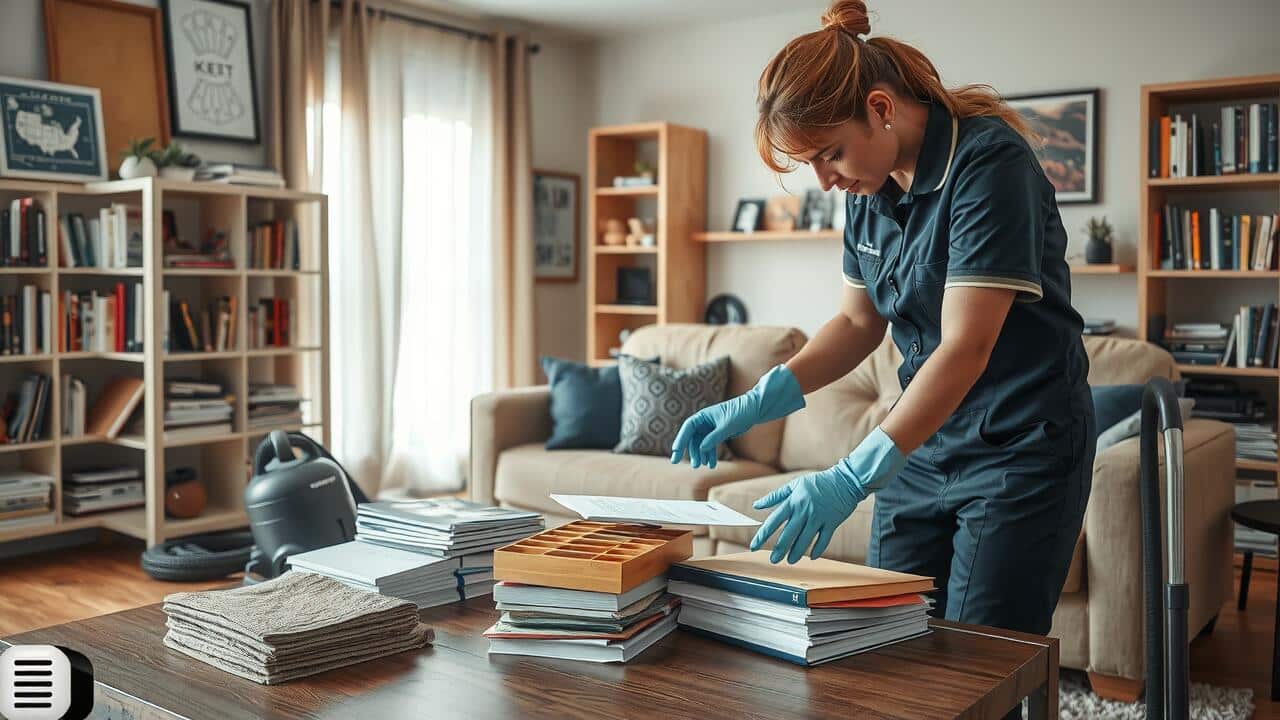
Table Of Contents
Adding Additional Services
Offering additional services alongside basic cleaning can enhance the value you provide to your clients. Common add-ons include carpet cleaning, window washing, or deep cleaning of specific areas. Integrating services like Content Cleaning can set you apart as it addresses not only the surface dirt but also the organization and tidiness of various spaces. This comprehensive approach helps clients feel that they are receiving a tailored and thorough service.
Promoting these extras can result in increased revenue while meeting the diverse needs of your clients. Emphasizing the benefits of Content Cleaning, such as a more organized living environment or improved functionality of spaces, can make these services more appealing. By presenting them in a way that highlights their value, you can encourage clients to consider these options during their initial booking or recurring engagements.
Upselling Add-Ons for Increased Revenue
Offering additional services can be a great way to enhance your revenue while providing more value to your clients. For example, consider incorporating Content Cleaning into your regular cleaning packages. This could include tasks like organizing bookshelves, decluttering spaces, or dusting various surfaces that may not be part of a standard cleaning routine. By presenting these add-ons as essential components of creating a clean and organized environment, you can justify the extra charge and improve customer satisfaction.
Engaging clients in a discussion about their specific needs can also lead to upselling opportunities. When you visit a home for a three-hour cleaning session, take a moment to evaluate areas that may require extra attention. Perhaps clients might not initially think of Content Cleaning, but once you highlight its benefits, they might see the value and choose to add it. Providing these options not only improves your earnings but also positions you as a comprehensive cleaning service that caters to varied client preferences.
Competition Analysis
When entering the cleaning market, it’s essential to assess your competition. This involves researching local companies that offer similar services and taking note of their pricing structures. For instance, you might find that some competitors provide Content Cleaning at a significantly higher price, citing expertise or special techniques. Understanding this landscape allows you to position your services effectively according to market expectations.
Gathering insights about competitors’ pricing is just one part of the analysis. Look at what specific services they include within their packages. Some may offer Content Cleaning as a basic option, while others may treat it as an add-on. Understanding the value they provide can help you refine your service offerings and pricing strategy, ensuring you stand out in a crowded market.
Researching Competitors’ Pricing
Understanding competitors’ pricing offers valuable insights into market standards and customer expectations. Review local cleaning service providers to gauge their rates for similar cleaning tasks. Pay attention to how they structure their pricing, including any additional fees for services like Content Cleaning. This research will help you craft a competitive pricing model that aligns with what potential clients are willing to pay.
Consider not just the base rates, but also the variety of services offered. Some cleaning companies bundle options together, offering package deals for Content Cleaning and other specialized tasks. Analyzing these bundles can reveal opportunities for your own service offerings. By identifying gaps in the market, you can adjust your pricing strategy to better attract clients looking for comprehensive cleaning solutions.
Setting Your Unique Selling Proposition
To stand out in a crowded cleaning market, establishing a unique selling proposition (USP) is essential. This involves clearly defining what makes your cleaning service different and valuable to potential clients. One effective strategy could be to specialize in Content Cleaning. Highlighting your expertise in restoring and taking care of items like books, documents, or delicate decor could attract clients who prioritize preservation alongside cleanliness.
In addition to emphasizing specialized services, consider integrating personalized attention within your offerings. Offering tailored packages that include Content Cleaning can showcase your commitment to meeting individual client needs. This not only differentiates your business but also builds trust and fosters long-term relationships with clients looking for a cleaning service that goes above and beyond standard expectations.
Differentiating Your Services from Others
To stand out in a competitive market, clearly define what makes your cleaning services unique. Emphasize areas where your offerings differ, such as specialized techniques or eco-friendly products. Highlighting your commitment to exceptional service can help establish a strong brand identity. Potential clients will appreciate understanding how your approach to Content Cleaning sets you apart from others in the industry.
Another effective way to differentiate your services is by providing exceptional customer service. Responsiveness and flexibility with scheduling can enhance client satisfaction. Offering personalized cleaning plans that include options for Content Cleaning can also attract clients seeking targeted solutions. Building trust and rapport through consistent communication will foster loyalty, encouraging customers to choose you over the competition.
FAQS
What factors should I consider when determining my cleaning service rates?
When determining your cleaning service rates, consider factors such as your location, the level of experience you have, the complexity of the tasks, the types of cleaning products you use, and any additional services you offer.
How can I find out what my competitors are charging for cleaning services?
You can find out what your competitors are charging by conducting online research, visiting their websites, checking local listings, or even calling them to inquire about their rates. This will give you a good sense of the market rates in your area.
Should I charge more for specialized cleaning services?
Yes, you should consider charging more for specialized cleaning services, such as deep cleaning, post-construction cleaning, or eco-friendly cleaning. These services often require more time, effort, and specific skills, justifying a higher rate.
Is it a good idea to offer package deals or discounts for longer cleaning sessions?
Yes, offering package deals or discounts for longer cleaning sessions can encourage customers to book more hours, ultimately increasing your revenue. It also provides added value to your customers and can help lock in repeat business.
How do I determine my unique selling proposition (USP) in the cleaning industry?
To determine your unique selling proposition (USP), analyze what sets your cleaning services apart from competitors. This could be exceptional customer service, eco-friendly products, specialized cleaning methods, or flexible scheduling options. Highlighting your USP in marketing materials can attract more clients.
Related Links

Table Of Contents
Proper Disposal of Moldy Materials
Proper disposal of moldy materials is crucial for effective mold remediation in any space. Contaminated items such as carpets, drywall, or insulation may harbor spores, posing health risks. Always place these materials in sealed plastic bags before disposing of them. This helps contain spores and prevents them from spreading during disposal. Be aware of local guidelines for the disposal of such hazardous materials. In some areas, you may need to take them to a specialized facility.
When disposing of mold-infested contents, protective gear is essential. Wearing gloves, goggles, and a mask can safeguard against inhalation of spores. After removal, clean the affected area thoroughly to reduce the chances of mold reoccurring. It is important to ensure that any remaining surfaces are treated appropriately to prevent future infestations. Taking these steps not only facilitates mold remediation in your home but also promotes a healthier living environment.
Safe Methods for Disposing Contaminated Items
When it comes to disposing of contaminated items, it is crucial to prioritize safety throughout the process. Items such as carpets, drywall, and furniture that have been heavily infested with mold should be carefully bagged and sealed to prevent spores from spreading during removal. Wearing protective gear like gloves, masks, and goggles can help reduce the risk of exposure. After sealing the items, place them in a designated outdoor disposal area to minimize the chance of spores infiltrating the home or surrounding environment.
Consider local regulations regarding the disposal of moldy materials. Many areas have specific guidelines for hazardous waste, which may apply if the contaminated items cannot be fully cleaned. If local authorities provide specific disposal sites or methods for mold-infested materials, following these recommendations aids in ensuring responsible waste management. For effective Mold Remediation in residential areas, understanding the proper disposal protocols is key to preventing further contamination and maintaining a safe living environment.
Preventing Future Mold Growth
Controlling humidity levels in your home is essential to prevent future mold growth. Keeping indoor humidity below 50% can significantly hinder mold’s ability to thrive. Use dehumidifiers in damp areas like basements, and ensure proper ventilation in bathrooms and kitchens. Regularly checking for leaks and promptly addressing any water damage also plays a crucial role in maintaining a mold-free environment.
Mold remediation in your home does not only involve immediate removal but also requires long-term strategies for prevention. Comprehensive insulation and sealing of windows help reduce moisture build-up. Utilizing mold-resistant materials during renovations can also provide an added layer of protection. Regular inspections of potential problem areas can help catch any signs of mold early, allowing for timely remediation efforts.
Tips for Managing Humidity Levels
Managing humidity levels is crucial in preventing mold growth. One effective approach is using a dehumidifier in areas prone to dampness, such as basements or bathrooms. Keeping indoor humidity between 30% and 50% can significantly reduce the likelihood of mold development. Ventilation is equally important. Opening windows and using exhaust fans can help circulate air and decrease moisture accumulation.
Regularly checking for leaks and repairing any water damage immediately can also contribute to a healthier environment. In spaces like kitchens and laundry rooms, ensure that moist air is vented outside. Additionally, utilizing moisture-absorbing materials can assist in maintaining balanced humidity levels. Implementing these strategies creates an unfavorable environment for mold, making mold remediation in your home less likely.
When to Seek Professional Help
Recognizing when to seek professional help is crucial when dealing with a mold problem. If you notice extensive mold growth that covers more than ten square feet, handling it on your own might not be sufficient. Mold can create health issues, especially for individuals with respiratory problems or weakened immune systems. In such cases, reaching out for Mold Remediation in your area can ensure that the issue is assessed and addressed appropriately.
Signs like persistent odors, visible mold beyond the initial discovery, or previous water damage can indicate a more serious underlying issue. If your attempts at cleaning have not yielded positive results or if mold keeps returning, it might be time to consult experts. Professional mold remediation services are equipped with the necessary tools and expertise to handle these situations effectively.
Signs That Indicate Professional Assistance is Needed
Certain signs may indicate that you need to seek professional help for mold remediation in your home or workspace. Visible mold growth that covers a large area, such as more than 10 square feet, suggests that the issue has gone beyond what can be managed safely on your own. If you notice a recurring damp smell, it may signify hidden mold in walls or insulation, which requires expert evaluation and remediation.
Health symptoms can also point to the necessity of professional assistance. If residents or workers experience persistent respiratory issues, skin irritations, or allergic reactions, it is crucial to address the mold issue quickly. This may require thorough testing and remediation in order to ensure a safe and healthy environment. Seeking professionals can help guarantee that mold is handled effectively and that your premises are restored to a safe condition.
FAQS
Can I remove mold from my home on my own?
Yes, many homeowners can remove small areas of mold themselves using appropriate safety measures and cleaning solutions, but it is essential to assess the extent of the mold problem first.
What are safe methods for disposing of moldy materials?
Moldy materials should be placed in sealed plastic bags and disposed of in a sealed trash bin. Always wear gloves and a mask when handling contaminated items to avoid inhaling spores.
What humidity levels should I maintain to prevent mold growth?
Ideally, humidity levels in your home should be kept between 30% and 50%. You can use a dehumidifier or air conditioner to help manage these levels.
How do I know if I need professional help for mold remediation?
If the mold covers an area larger than 10 square feet, if you experience health issues like respiratory problems, or if the mold persists despite your efforts, it’s advisable to seek professional assistance.
What are the signs that indicate I should call a mold remediation expert?
Signs include visible mold growth on walls or ceilings, a persistent musty odor, water damage history, or if you are unable to identify the source of moisture causing the mold.
Related Links

Table Of Contents
Insurance Coverage for Water Damage
Homeowners insurance often provides coverage for water damage repair, but specifics can vary significantly between policies. Many policies cover damages caused by sudden or accidental incidents, such as burst pipes or overflowing appliances. Understanding the terms of your specific coverage is essential. Property owners should review their policies to know what incidents are included and whether they have adequate coverage.
However, certain circumstances may fall outside the policy’s coverage. For instance, damages resulting from long-term leaks or poor maintenance typically are excluded. Policyholders may also face limits or deductibles that influence the overall cost of water damage repair. It is crucial to clarify these details with your insurance provider before any repairs begin, ensuring that you are financially prepared.
Understanding Policy Exclusions
Homeowners often assume that their insurance covers all types of water damage repair. However, many policies have specific exclusions that can leave homeowners vulnerable to out-of-pocket expenses. For instance, damage resulting from flooding or a lack of proper maintenance is frequently not covered. It’s crucial to carefully review your insurance policy to understand what situations are included and which ones are excluded.
Additionally, some policies may only cover water damage repair up to a certain limit or under specific circumstances. Homeowners should consider endorsements or add-ons for comprehensive coverage if they live in high-risk areas. Knowing the nuances of your policy can save significant amounts in costs during a water damage event.
Additional Costs to Consider
When dealing with water damage repair, additional costs often arise beyond the immediate remediation efforts. Homeowners might need to factor in expenses related to replacing damaged fixtures, flooring, or drywall. Any structural damage may require professional assessment and repair, which can significantly add to the overall cost. Additionally, if the water source persists, ongoing expenses such as utility bills for water usage will also accumulate during the repairs.
Unexpected delays in the repair process can lead to further expenses. If mold remediation is necessary, this specialized service can increase the total investment required to restore a property. Moreover, there may be costs associated with temporary housing if the home becomes unlivable during extensive water damage repair. Understanding these potential additional costs is crucial for homeowners planning their budgets effectively.
Related Services and Repairs
Related services and repairs can significantly impact the overall cost of water damage repair. Often, homeowners may need to address issues such as mold remediation, especially if the water damage has persisted for an extended period. Mold growth can not only affect the aesthetics of a property but also pose serious health risks. Treating this problem usually involves specialized services and equipment, which can add to the expenses incurred during the repair process.
Additionally, plumbing repairs may be necessary if the source of the water damage was a leak or burst pipe. Repairing or replacing plumbing components might be essential to prevent future incidents. It is important to consider these related services in the overall budget for water damage repair, as neglecting them can lead to recurring issues and increased costs down the line. Homeowners should assess their specific situation and determine the best course of action for both immediate repairs and long-term maintenance.
Preventative Measures
Taking proactive steps can significantly reduce the risk of water damage in your home. Regular maintenance is essential. Inspecting roofs, gutters, and downspouts helps ensure they are clear of debris and functioning properly. Addressing any leaks in plumbing fixtures or appliances promptly can prevent larger issues down the line. Investing in high-quality weatherproofing materials for windows and doors can also mitigate water intrusion during heavy rains.
In addition to routine inspections, consider installing a sump pump in areas prone to flooding. This device actively removes excess water, minimizing the likelihood of severe damage. A water alarm system can alert homeowners to leaks before they escalate. These preventative measures not only save you from the hassle of water damage repair but can also preserve the integrity of your property over time.
Long-Term Solutions to Avoid Future Damage
Investing in long-term solutions to prevent water damage can save both money and stress in the future. Regular maintenance of roofs, gutters, and drainage systems reduces the risk of leaks and flooding. Homeowners should conduct routine inspections to identify vulnerabilities and address minor issues before they escalate. Upgrading to water-resistant materials, like waterproof paint or resilient flooring, can further mitigate potential damage.
Additionally, installing sump pumps in basements and ensuring proper landscaping can guide excess water away from the foundation. Consider incorporating moisture detectors and automatic shut-off systems, which can provide early warnings and prevent significant issues. These proactive measures not only protect a property but also minimize the need for extensive water damage repair, which can be costly and time-consuming.
FAQS
What is the average cost of water damage repair?
The average cost of water damage repair can range from $1,000 to $5,000, depending on the extent of the damage and the type of repairs needed.
Does homeowners insurance cover water damage repairs?
Homeowners insurance often covers water damage, but coverage can vary based on the cause of the damage. It’s important to review your policy for specific terms and exclusions.
What are common exclusions in water damage insurance policies?
Common exclusions may include damage from flooding, gradual leaks, or wear and tear. It’s essential to understand your policy to know what is and isn’t covered.
Are there additional costs associated with water damage repair?
Yes, additional costs may include mold remediation, structural repairs, or related services like electrical or plumbing work. Always get a detailed estimate before proceeding with repairs.
What preventative measures can I take to avoid future water damage?
Preventative measures include regular inspections of plumbing and appliances, ensuring proper drainage around your home, and investing in water detection systems.
Related Links


Table Of Contents
Insurance Coverage for Water Removal
Homeowners often rely on their insurance policies to help mitigate the costs associated with water damage. Coverage can vary significantly depending on the specific terms of the policy. Many standard homeowners’ insurance policies include provisions for water damage caused by sudden and accidental events, like burst pipes. However, damages resulting from gradual leaks or flooding might fall outside the scope of this coverage.
When considering the potential costs of water removal, it’s crucial for homeowners to understand their policy details. Some policies may cover the expenses of Water Removal Services in their entirety, while others might only cover a portion. Additionally, certain deductibles can apply, which means policyholders should budget for out-of-pocket expenses even with insurance. It’s advisable to consult with the insurance provider to grasp the nuances of coverage related to water-related incidents.
How Policies Affect Out-of-Pocket Expenses
Insurance policies can significantly influence the out-of-pocket expenses related to water removal. Depending on the type of coverage one has, expenses for professional services may be fully or partially reimbursed. Homeowners often rely on their insurance to cover the costs incurred from water damage which can include urgent water removal services. Policies might include specific terms regarding how much they’ll reimburse or if there’s a deductible that needs to be met first.
Understanding the specifics of a policy can help homeowners effectively plan for potential out-of-pocket costs. Some policies have clauses that dictate whether mitigation efforts like Water Removal Services in their locality qualify for reimbursement. Being informed about one’s coverage can help prevent unexpected financial burdens during the stressful time following a water-related incident, making it crucial to review coverage types and limits carefully.
Hidden Costs Associated with Water Removal
Homeowners often underestimate the hidden costs associated with water removal. While the initial expense may seem straightforward, factors like structural damage, mold growth, and replacement of personal belongings can significantly increase the overall tab. Many insurance policies have exclusions for certain types of damage. This can leave homeowners responsible for unexpected expenses that arise after the initial water extraction, especially if the source of the problem has not been adequately addressed.
Moreover, the process of restoring a space after water damage can be costly and time-consuming. Water Removal Services in a local area may charge for additional treatments such as drying and dehumidification, which are crucial to preventing further issues. Hidden costs often emerge from repairs needed for damaged electrical systems, plumbing, or flooring. Homeowners should be prepared for these potential expenses as they navigate the aftermath of water damage.
Potential Unexpected Expenses
When dealing with water removal, homeowners may encounter unexpected expenses that can significantly increase the overall cost. For example, if the source of the water intrusion is not immediately identified and addressed, additional damage can occur, leading to more extensive repairs. This situation often arises when mold begins to develop, necessitating professional assessments and treatments that may not have been initially anticipated. Water removal services in such scenarios become more complicated and costly, as they may require specialized equipment and techniques to restore the property effectively.
Another potential expense stems from the need for repairs beyond simple water extraction. Water damage can adversely affect the structural integrity of a home, leading to issues like compromised foundations or weakened walls. Homeowners might find themselves facing the cost of structural repairs along with the water removal services. In addition, property may require replacements of flooring, drywall, or personal belongings that have been damaged beyond repair. These unforeseen costs can quickly add up, making it essential to budget for more than just the initial water removal service.
Prevention Measures and Their Costs
Investing in prevention measures can significantly reduce future water removal costs. Homeowners should consider installing sump pumps, which actively manage excess water around foundations. Additionally, sealing cracks in walls and floors can prevent water seepage, minimizing potential damage. Routine maintenance of gutters and downspouts ensures effective drainage, which also contributes to safeguarding property from water-related issues. These proactive steps not only protect valuable assets but often lead to lower premiums on homeowners’ insurance.
Another effective way to mitigate potential water damage is through the installation of water detection systems. These devices alert homeowners to leaks before they escalate into major problems, ultimately saving time and money. Engaging with Water Removal Services in the area can provide guidance on the most efficient prevention strategies suited to local conditions. Such investments may seem substantial initially; however, they pay off by lessening the need for expensive water extraction and restoration down the line.
Investments in Prevention to Reduce Future Expenses
Investing in prevention measures can significantly reduce the likelihood of water damage in your home. Regular maintenance of gutters and downspouts helps divert water away from the foundation, minimizing the risk of basement flooding. Additionally, installing sump pumps and waterproofing basements can offer further protection. These proactive steps not only safeguard your property but also lessen the chances of needing extensive water removal services in the future.
Moreover, incorporating landscape features such as proper grading can direct rainwater away from your home, serving as a barrier against potential leaks. Homeowners might consider installing flood sensors and alarms that alert them to water intrusion. Such investments, while they incur upfront costs, can save thousands by preventing the need for professional water removal services in the event of a water-related disaster.
FAQS
What factors influence the cost of water removal?
The cost of water removal can be influenced by several factors including the extent of water damage, the type of water involved (clean, gray, or black water), the size of the affected area, and the required equipment or services.
Will my homeowners insurance cover the cost of water removal?
Coverage for water removal largely depends on the specifics of your homeowners insurance policy. Policies may cover water damage from sudden incidents, such as burst pipes, but may exclude damage from flooding or lack of maintenance. It’s important to review your policy details.
Are there hidden costs associated with water removal?
Yes, hidden costs can include expenses for additional repairs, mold remediation, and potential replacement of damaged materials like drywall or flooring. It’s crucial to ask for a detailed estimate from the water removal service to understand any potential hidden costs.
What preventive measures can I take to avoid high water removal costs in the future?
Preventive measures include regular maintenance of plumbing systems, installing sump pumps, and using water alarms. Investing in these measures can significantly reduce the risk of severe water damage and the costs associated with its removal.
How can I find a reliable water removal service?
To find a reliable water removal service, consider checking online reviews, asking for recommendations from friends or family, and verifying their credentials and experience. It’s also wise to ask for a detailed quote before hiring to ensure there are no surprises later.
Related Links
Table Of Contents
Benefits of Indoor Air Quality Testing
Indoor Air Quality Testing offers significant advantages for maintaining a healthy living environment. It helps identify pollutants and harmful particles that can negatively impact health. By monitoring levels of allergens, mold, and other contaminants, individuals can gain insights into the air quality within their homes or workplaces. This proactive approach allows for timely interventions that can improve overall well-being.
Another benefit of Indoor Air Quality Testing is the potential enhancement of comfort within indoor spaces. Poor air quality can lead to unpleasant odors and an uncomfortable atmosphere. By addressing issues revealed through testing, occupants can enjoy fresher air and a more pleasant environment. Improved air quality contributes not only to health benefits but also to increased productivity in work settings.
Potential Health Improvements
Indoor Air Quality Testing can lead to significant health improvements, particularly for individuals with respiratory issues or sensitivities. By identifying pollutants such as mold spores, volatile organic compounds, and particulate matter, testing provides crucial insights into the specific irritants present in the environment. Addressing these pollutants often results in reduced allergy symptoms, better overall respiratory health, and improved comfort for all inhabitants of a space.
Moreover, the awareness gained from Indoor Air Quality Testing enables homeowners and building managers to implement targeted solutions. Simple measures like enhancing ventilation, using air purifiers, or making structural changes can dramatically decrease exposure to harmful substances. This proactive approach fosters a healthier living or working environment, promoting general well-being and potentially increasing productivity in the workplace.
Costs Associated with Testing
The costs associated with Indoor Air Quality Testing can vary widely depending on several factors. Home size, location, and the specific types of contaminants being tested can influence the overall price. Basic tests may cover common pollutants such as mold, dust mites, and volatile organic compounds (VOCs), while more comprehensive assessments might include advanced analyses for additional hazards. Homeowners should consider these variations when budgeting for this service.
In addition to the initial testing fees, ongoing monitoring and preventive measures may contribute to the total cost. Individuals may want to invest in air purifiers or ventilation improvements based on the test results. Regular testing can also lead to expenses tied to maintaining a healthy indoor environment. Understanding these potential costs can help homeowners determine the value and necessity of Indoor Air Quality Testing.
Budgeting for Air Quality Assessment
When budgeting for Indoor Air Quality Testing, it’s crucial to consider the various factors that can influence overall costs. The type of testing required often depends on specific concerns, such as potential mold growth, HVAC system efficiency, or exposure to pollutants. Basic tests may be more affordable, while comprehensive assessments can involve more sophisticated equipment and detailed analysis, leading to higher costs.
In addition to the testing fees, homeowners should factor in any necessary remediation expenses that might arise from the test results. If contaminants are identified, addressing the issues can lead to additional expenditures on filtration systems or structural repairs. Allocating funds not only for the testing but also for potential follow-up actions ensures a thorough approach to maintaining a healthy indoor environment.
Interpreting Test Results
Interpreting the results of Indoor Air Quality Testing requires an understanding of the various metrics presented in the report. Commonly analyzed factors include levels of particulate matter, volatile organic compounds (VOCs), carbon dioxide, and humidity. Each of these elements can influence health and comfort, so knowing what each metric indicates is essential. For example, elevated levels of VOCs may suggest the presence of harmful emissions from household products, while high humidity can lead to mold growth.
When reviewing the results, it is important to consider any existing health conditions among household members. Allergies, asthma, and respiratory issues may be exacerbated by poor air quality. Identifying specific pollutants can help in developing a targeted approach to improving indoor air conditions. Furthermore, collaborating with a professional can provide clarity on mitigating strategies and ongoing monitoring options based on the findings from the Indoor Air Quality Testing.
Understanding Common Air Quality Metrics
Understanding indoor air quality metrics is essential for interpreting the results of Indoor Air Quality Testing. Common parameters include levels of particulate matter, volatile organic compounds (VOCs), carbon dioxide, and humidity. Particulate matter is significant because it can penetrate deep into the respiratory system and has been linked to various health issues. VOCs, which can emanate from household products, furniture, and building materials, contribute to indoor pollution and may affect well-being.
Carbon dioxide levels can indicate how well a space is ventilated, with higher concentrations suggesting insufficient fresh air circulation. Humidity levels are equally important, as they can influence mold growth and the proliferation of allergens. Familiarity with these metrics allows homeowners and renters to take actionable steps toward improving their environment through Indoor Air Quality Testing. Knowledge about these common air quality indicators empowers individuals to make informed decisions regarding their health and comfort.
FAQS
What is indoor air quality testing?
Indoor air quality testing refers to the process of measuring and evaluating various pollutants and factors that can affect the air quality within a building, including volatile organic compounds (VOCs), carbon dioxide levels, humidity, and particulate matter.
How can indoor air quality testing improve my health?
Testing can help identify harmful pollutants and allergens in your indoor environment, allowing you to take necessary steps to reduce exposure. This can lead to improved respiratory health, reduced allergy symptoms, and overall better well-being.
What are the average costs associated with indoor air quality testing?
The costs for indoor air quality testing can vary widely based on the size of the space, the type of tests conducted, and the service provider. Typically, testing ranges from $200 to $800, but it’s best to obtain quotes from multiple providers for a more accurate estimate.
How do I budget for air quality assessment?
When budgeting for air quality assessment, consider not only the testing costs but also any potential remediation or improvement measures that may be needed based on the results. It’s advisable to set aside funds for both the initial testing and any subsequent actions to improve air quality.
What should I look for when interpreting indoor air quality test results?
When interpreting test results, focus on common air quality metrics such as levels of VOCs, carbon dioxide, and particulate matter. Understand the acceptable ranges for these metrics and consult with professionals if you have concerns about elevated levels or specific pollutants.
Related Links
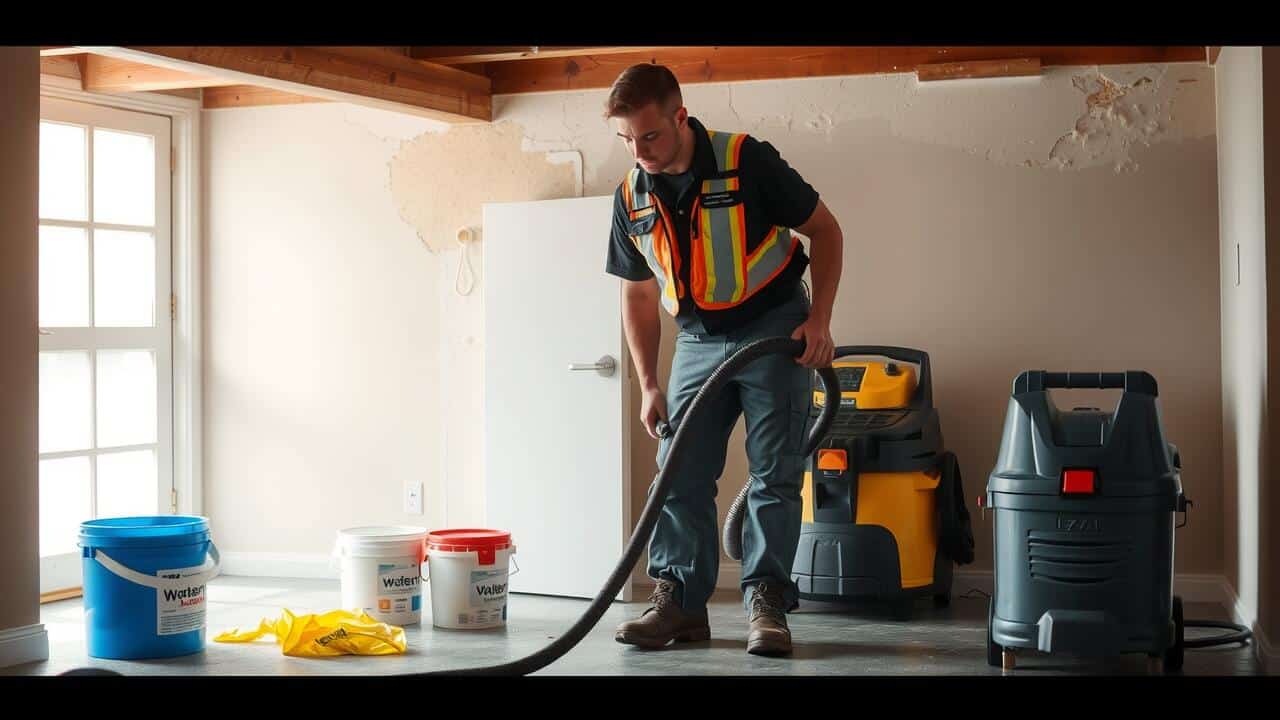
Table Of Contents
Restoration of Property
Restoration of property after water damage involves a systematic approach to regain the property’s original condition. Servpro technicians assess the extent of the damage, which includes checking for moisture in walls, flooring, and other structures. They employ specialized equipment to detect hidden water, ensuring every affected area is addressed. The use of advanced technology enhances the efficiency of the restoration process, ensuring thorough water extraction and drying.
Water removal services play a crucial role in this restoration process. Once the evaluation is complete, the team initiates water extraction to remove standing water. Industrial-grade pumps and vacuums swiftly remove excess moisture, reducing the risk of mold development and further structural issues. After extraction, air movers and dehumidifiers are utilized to eliminate residual moisture, effectively drying out the property. These steps help prevent future complications and facilitate a quicker return to normalcy for affected homeowners or businesses.
Repairing Damage from Water Exposure
When water exposure occurs, addressing the damage promptly is essential for minimizing long-term issues. This process often begins with specialized teams that evaluate the extent of the water damage. They then implement water removal services to ensure all excess moisture is eliminated. The success of this phase directly influences subsequent repair efforts, as lingering water can lead to complications such as mold growth and structural instability.
Following the remediation of moisture, repairs can take various forms depending on the degree of damage. This may include restoring walls, flooring, and personal belongings affected by water exposure. Professional restoration services are often equipped to handle everything from simple repairs to more extensive renovations that may involve replacing drywall or fixtures. The goal is to return the property to its original condition while ensuring the environment is safe and healthy for occupants.
Insurance Process After Water Damage
Experiencing water damage can be distressing, and navigating the insurance process is a crucial step in recovery. Homeowners and business owners should begin by documenting the extent of the damage thoroughly. Photographs and written descriptions serve as critical evidence when filing a claim. When engaging with insurance providers, it is essential to be clear about the services needed, including details about the Water Removal Services that were utilized. This clarity helps ensure that claims are processed smoothly and that individuals receive the coverage they are entitled to.
Submitting a claim typically involves providing a detailed account of the damage, costs incurred, and any preventative measures taken afterward. Having receipts and estimates from water damage restoration companies, especially from those offering Water Removal Services, can strengthen the claim. Policyholders should also be prepared to communicate with their insurer about the timeline of the repairs and any additional losses sustained due to the water exposure. Adjusters may need to inspect the property, so keeping the area accessible can facilitate a quicker resolution.
Navigating Claims and Documentation
Navigating the claims process after water damage can be challenging. Documenting the extent of the damage accurately is crucial for a successful claim. Homeowners should take numerous photographs and compile an inventory of damaged items. This documentation plays a vital role when filing an insurance claim, especially when working with adjusters. Additionally, keeping receipts for any immediate repairs or emergency services can be beneficial. Understanding one’s policy coverage also helps in clarifying what is covered under water damage, including whether it encompasses the necessary Water Removal Services.
Communicating effectively with the insurance company can streamline the process. Providing clear and organized documentation can minimize delays and enhance the likelihood of approval. It may be helpful to contact professional Water Removal Services to assist with the cleanup and restoration. They often have experience working with insurers and can offer insights into the process. Consistent follow-up with the insurance provider remains important, ensuring that questions are addressed promptly and that the claim moves forward efficiently.
Prevention Methods for Future Incidents
Implementing effective prevention methods can significantly reduce the risk of future water damage in homes and businesses. Regularly inspecting roofs, gutters, and drainage systems helps identify and address potential issues before they escalate. Maintaining an appropriate landscape design can also guide water away from the foundation. Installing sump pumps in basements and ensuring proper sealing around windows and doors contributes to minimizing water exposure.
Homeowners and businesses should also consider enlisting professional water removal services. These experts can offer tailored solutions to address specific vulnerabilities in a property. Additionally, investing in moisture detection systems can alert occupants to leaks or excessive humidity levels, allowing for timely intervention. By adopting these strategies, property owners can better protect their spaces against water-related incidents.
Tips for Homeowners and Businesses
Homeowners and businesses can take proactive measures to minimize the risk of water damage. Regular inspections of roofs, gutters, and plumbing systems help identify potential leaks before they become major issues. Ensuring proper drainage around the property also plays a critical role in redirecting water away from foundations. When flooding does occur, accessing professional Water Removal Services can make a significant difference in mitigating damage and speeding up the recovery process.
Educating yourself about the signs of water damage is essential. Look for water stains, mold growth, or an increase in humidity levels. Acting promptly on these indicators can prevent extensive damage and reduce repair costs. Investing in high-quality sump pumps or waterproofing your basement adds an extra layer of protection. Remember that having a plan in place for emergency situations can ease stress and ensure a swift response, including contacting trusted Water Removal Services as part of that plan.
FAQS
What is the first step Servpro takes when responding to water damage?
The first step Servpro takes is to assess the situation and determine the extent of the water damage. This includes identifying the source of water intrusion and inspecting affected areas.
Does Servpro use specialized equipment for water removal?
Yes, Servpro utilizes advanced equipment such as industrial-grade water extraction units, dehumidifiers, and air movers to effectively remove water and dry out the affected areas.
How quickly should you contact Servpro after a water damage incident?
It is recommended to contact Servpro as soon as possible after a water damage incident occurs. Quick response helps minimize damage and reduces the chances of mold growth.
Can Servpro handle both residential and commercial water damage?
Yes, Servpro is equipped to handle both residential and commercial water damage restoration, providing tailored solutions for each type of property.
What safety precautions does Servpro take during the water removal process?
Servpro takes several safety precautions, including wearing protective gear, ensuring electrical systems are not compromised, and following industry safety standards to protect both their team and the property owners.
Related Links

Table Of Contents
Professional Indoor Air Quality Testing
Professional indoor air quality testing can provide a comprehensive assessment of the pollutants present in your home. This type of testing typically involves a certified technician who will sample the air and analyze it for common contaminants such as mold, allergens, volatile organic compounds (VOCs), and particulate matter. The process may also include an examination of ventilation systems, humidity levels, and other factors that could affect overall air quality. Indoor Air Quality Testing in residential settings often utilizes specialized equipment to ensure accurate measurements.
Understanding the results from professional testing is crucial for addressing any potential hazards found during the evaluation. A detailed report will outline the levels of various pollutants and may also recommend specific actions to improve air quality. By identifying sources of indoor pollution, homeowners can implement targeted solutions, whether it’s improving ventilation, using air purifiers, or making lifestyle changes to reduce emissions from household products. Professional insights gained from Indoor Air Quality Testing in your home can lead to a healthier living environment for you and your family.
When to Hire a Specialist
If you notice persistent symptoms such as coughing, sneezing, or headaches that improve when you’re away from home, it may be time to consider professional assistance. Indoor Air Quality Testing in such cases can help identify potential pollutants or allergens contributing to these health issues. Additionally, unusual odors or visible mold growth might indicate a problem that requires expert analysis.
Hiring a specialist is also advisable if you live in an area with high outdoor pollution or if your home is located near sources of contamination like factories or highways. An expert can conduct comprehensive Indoor Air Quality Testing tailored to assess the unique conditions of your space. This proactive step can provide valuable insights and effective solutions for creating a healthier living environment.
Interpreting Air Quality Test Results
Understanding the results from Indoor Air Quality Testing in your home involves analyzing various metrics that indicate potential air pollutants and their concentrations. Many tests report levels of common indoor contaminants, including volatile organic compounds (VOCs), carbon dioxide, particulate matter, and humidity. Each of these elements can affect your health and comfort in different ways. For instance, elevated carbon dioxide levels often indicate inadequate ventilation, leading to fatigue or headaches. Familiarizing yourself with the standard acceptable levels can help you determine if your indoor environment is safe.
In addition to overall pollutant levels, it is essential to pay attention to specific recommendations based on the test results. Certain regions or circumstances may lead to unique air quality concerns, such as high pollen counts during allergy season. Resources such as local environmental agencies can provide context for your results. Comparing your findings with other health advisories supports a better understanding of the potential risks. This knowledge empowers you to take necessary actions regarding air quality improvements in your home.
Understanding AQI and Other Metrics
Understanding the Air Quality Index (AQI) is crucial for interpreting indoor air quality test results. The AQI provides a standardized method to gauge the level of pollution in the air. Though primarily developed for outdoor air, its principles can be applied to indoor settings. Each pollutant measured has a corresponding scale that indicates potential health risks associated with varying concentrations. Familiarizing oneself with this scale can help homeowners make informed decisions regarding their indoor air quality.
In addition to the AQI, various metrics are used to assess specific factors affecting indoor air quality. These can include levels of particulate matter, volatile organic compounds (VOCs), humidity, and carbon dioxide concentrations. Each of these measurements helps paint a comprehensive picture of the air quality inside a home. Indoor Air Quality Testing in residential spaces should take these metrics into account to effectively identify problems and potential sources of pollution. Understanding these parameters empowers individuals to create healthier indoor environments.
Reducing Indoor Air Pollution
To effectively reduce indoor air pollution, several strategies can be implemented. Regularly ventilating your home helps bring in fresh air, reducing the concentration of pollutants. Using exhaust fans in kitchens and bathrooms removes moisture and odors, preventing mold growth. Additionally, maintaining a clean living space decreases dust and allergens. Incorporating indoor plants can naturally filter certain airborne toxins, contributing to improved air quality.
Indoor Air Quality Testing in your home provides crucial insights into pollutant levels and sources. Investing in high-quality air purifiers can also be beneficial; many are designed to capture allergens, dust, and even volatile organic compounds. Limiting the use of synthetic fragrances and chemical cleaners helps minimize harmful emissions. By adopting these practices, you can create a healthier living environment that prioritizes clean air for you and your family.
Effective Strategies for Cleaner Air
Improving indoor air quality involves a combination of proactive measures and consistent maintenance. Regularly changing HVAC filters contributes significantly to cleaner air. Keeping windows open when possible allows for fresh outdoor air to circulate within the home. Regular cleaning, particularly in areas where dust and allergens accumulate, can help maintain a healthier environment. Utilizing air purifiers equipped with HEPA filters can also assist in capturing smaller particles, creating a more pleasant indoor atmosphere.
Consider Indoor Air Quality Testing in your home as a crucial step to identifying specific pollutants. This testing can highlight particular issues such as high levels of volatile organic compounds or other harmful substances. Once areas of concern are identified, homeowners can take targeted actions to reduce pollutants. Ensuring proper ventilation and minimizing the use of harsh chemicals in cleaning products can aid in enhancing air quality over time. By implementing these strategies, the overall well-being of the indoor environment can significantly improve.
FAQS
What are some common indoor air quality issues I should be aware of?
Common indoor air quality issues include high levels of volatile organic compounds (VOCs), mold, dust mites, carbon monoxide, and particulate matter, which can affect your health and well-being.
How can I test my indoor air quality at home without hiring a professional?
You can use DIY air quality testing kits available at hardware stores or online. These kits often measure specific pollutants like VOCs, formaldehyde, and particulate matter, providing a basic overview of your indoor air quality.
What does AQI stand for and why is it important?
AQI stands for Air Quality Index. It is a measure used to communicate how polluted the air currently is or how polluted it is forecast to become. Understanding AQI helps you assess whether the air quality is safe for you and your family.
When should I consider hiring a professional for indoor air quality testing?
You should consider hiring a professional if you suspect serious air quality issues, such as mold infestations, persistent odors, or if anyone in your household has respiratory issues or allergies that may be related to indoor air quality.
What are some effective strategies for reducing indoor air pollution?
Effective strategies include improving ventilation, using air purifiers, regularly changing HVAC filters, reducing the use of VOC-containing products, maintaining proper humidity levels, and ensuring regular cleaning to minimize dust and allergens.