Category: Uncategorized
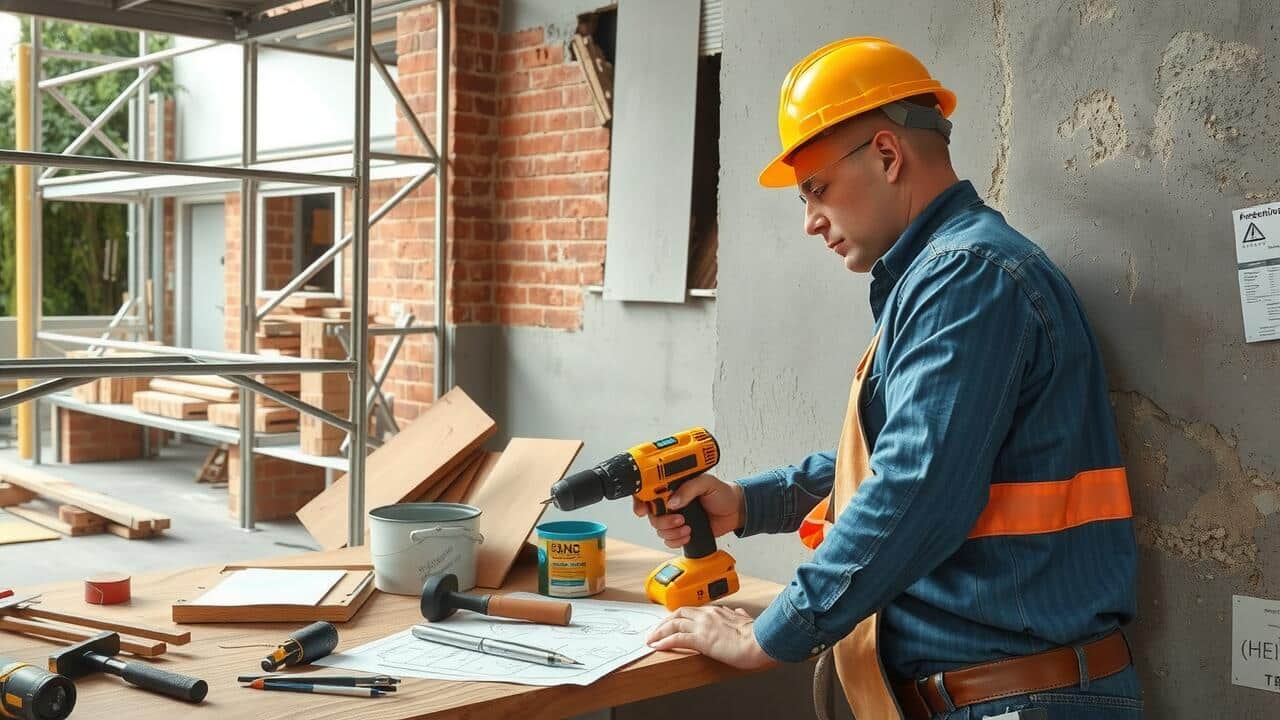
Table Of Contents
When is Reconstruction Necessary?
Reconstruction becomes necessary when damage is extensive and affects the structural integrity of a building or product. In such cases, performing repairs may not adequately restore functionality or safety. This is particularly true in situations where foundational issues could lead to further deterioration. Stubborn problems like severe water damage or structural instability often warrant a complete overhaul to ensure compliance with current safety standards and effectiveness.
When evaluating the need for reconstruction versus repair, the extent of damage plays a critical role. If repairs require frequent updates and do not address underlying problems, reconstruction might emerge as the more viable option. Homeowners and facility managers should consider long-term implications alongside immediate costs. Assessing the potential for future issues can also guide the decision-making process, highlighting whether reconstruction and repair will serve their needs effectively.
Indicators for Choosing Reconstruction Over Repair
Choosing reconstruction over repair often hinges on the extent of damage and the underlying issues present. If structural integrity is compromised or if repairs would only provide a temporary fix, reconstruction may be the more viable option. In cases of extensive deterioration, such as in older buildings or after significant natural disasters, repair methods might not address the root cause of problems. Evaluating the state of materials and overall safety can provide clear indications of whether a complete rebuild is warranted.
Another factor influencing the decision between reconstruction and repair involves long-term functionality and efficiency. When the goal is not only to restore but to upgrade systems to modern standards, reconstruction becomes an attractive choice. This can include enhancing energy efficiency, updating plumbing or electrical systems, or reconfiguring spaces for better usability. Ultimately, understanding the long-term benefits and potential return on investment helps clarify when reconstruction and repair are appropriate strategies.
Repair vs. Reconstruction
Repair and reconstruction are two approaches often considered when addressing structural damage or deterioration. Repair typically involves fixing specific areas to restore functionality, addressing the direct issues without overhauling the entire structure. This method is often less disruptive and can be more cost-effective, making it a popular choice for maintaining the integrity of a building or infrastructure.
On the other hand, reconstruction usually entails a more extensive process that may include rebuilding entire sections or even the whole structure. This approach is often necessary when repairs are insufficient to meet safety standards or functional requirements. The decision between reconstruction and repair depends on various factors, including the extent of the damage, the desired lifespan of the structure, and budgetary constraints. Understanding the nuances of reconstruction and repair helps stakeholders make informed choices.
Key Differences and Similarities
Reconstruction and repair serve distinct purposes in addressing damage or decay. Repair typically aims to restore an item or structure to a functional state without major alterations. This approach focuses on fixing specific issues, such as leaks or cracks, enabling continued use while maintaining the original integrity. In contrast, reconstruction involves more comprehensive changes, often including the replacement of large sections or entire systems. This process may bring innovations or updated materials to the project and may alter the original design significantly.
Despite their differences, reconstruction and repair intersect in some aspects, particularly regarding project goals. Both seek to enhance safety, functionality, and aesthetics. The choice between the two often hinges on factors such as the extent of damage and long-term viability. Stakeholders may weigh immediate needs against future requirements, influencing whether a temporary fix or a more permanent solution is warranted. Understanding these nuances can help in making informed decisions about which approach best fits the situation at hand.
Cost Considerations in Repair and Reconstruction
Cost considerations play a crucial role in deciding between reconstruction and repair for any project. Repair often appears to be the more economical option, particularly when the damage is minor or localized. However, it is essential to assess the long-term implications, as patchwork solutions may necessitate ongoing maintenance or further repairs over time, leading to higher cumulative costs.
In contrast, reconstruction might require a more substantial upfront investment. This approach can offer durability and a fresh foundation, potentially reducing future expenses related to recurring repairs. Ultimately, the choice between repair and reconstruction hinges on analyzing both immediate financial constraints and the projected lifecycle costs, ensuring that the decision aligns with long-term goals and resource allocation.
Budgeting for Repair and Reconstruction Projects
Budgeting for repair and reconstruction projects requires a careful assessment of various factors. The overall scope of the project plays a crucial role in determining costs. Estimating materials, labor, and potential unforeseen expenses ensures that the financial plan aligns with the project’s requirements. A detailed budget also accounts for factors like permits and services that might impact the total expenditure.
When considering reconstruction and repair, it’s essential to prioritize long-term value over short-term savings. Investing in high-quality materials might increase initial costs but can lead to reduced maintenance expenses in the future. Evaluating the specific needs of the project will help in allocating funds effectively, providing a clearer picture of the financial commitment involved in both approaches.
FAQS
What is the basic definition of repair?
Repair refers to the process of fixing or restoring something that is damaged or malfunctioning to its original condition without making any significant changes to its structure or function.
What does reconstruction involve?
Reconstruction involves rebuilding or reassembling something that is severely damaged or has completely collapsed, often incorporating improvements or changes to the original design or structure.
When should I choose reconstruction over repair?
Reconstruction may be necessary when the damage is extensive, when repairs would cost nearly as much as rebuilding, or when updated codes and regulations require significant changes to the original structure.
What are some key differences between repair and reconstruction?
The key differences include the extent of damage addressed, the costs involved, the time required for completion, and the potential for improvements or updates in the case of reconstruction.
How can I budget for repair or reconstruction projects?
To budget effectively, assess the extent of damage, gather estimates from professionals, consider any necessary permits or regulations, and account for unexpected costs that may arise during the project.
Related Links
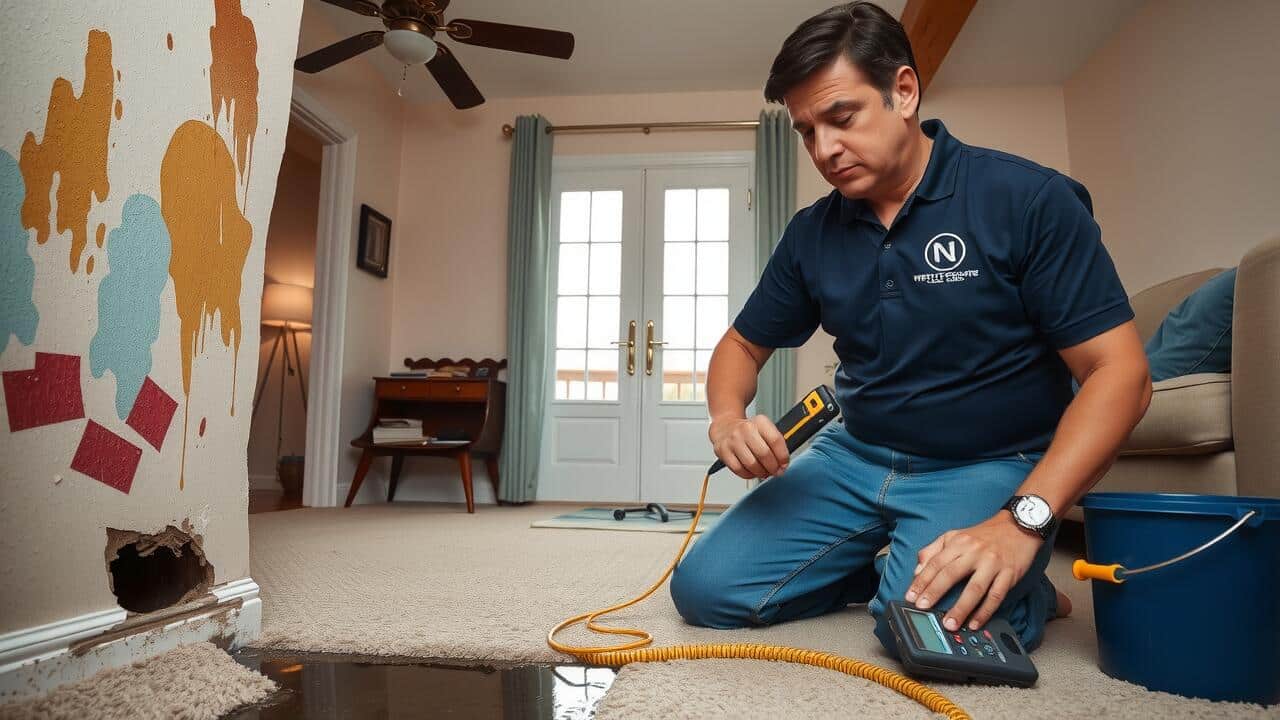
Table Of Contents
Assessing the Impact on Electrical Systems
Assessing the impact of water damage on electrical systems requires a thorough examination of all components. First, check for obvious signs of damage such as corrosion, burnt odors, or char marks on electrical panels and outlets. Water can compromise wires and devices, potentially leading to short circuits or electrical fires. A Water Damage Assessment in this context must prioritize the integrity of the entire system, including circuit breakers and fuse boxes.
In addition to visual inspections, testing the functionality of outlets and appliances is essential. Non-functional outlets or flickering lights could indicate underlying issues linked to water exposure. It is advisable to seek professional help for a complete analysis if suspicion arises. A comprehensive Water Damage Assessment in electrical systems should also include a review of any surrounding materials, such as insulation or junction boxes, which may have absorbed moisture and can exacerbate the issue.
Evaluating Wiring and Outlets
When conducting a water damage assessment in a property, evaluating the wiring and outlets is crucial. Any moisture exposure can compromise the integrity of electrical systems. This can lead to shorts, malfunctions, or potential fire hazards if not addressed promptly. Inspecting outlets for signs of corrosion or burn marks helps identify issues early. Check for discoloration around the outlets and ensure they are functioning properly.
After examining outlets, the wiring itself requires attention. Water can seep into walls and affect wires that lie within. Look for signs of fraying or damage to the insulation of the wires. Use a moisture meter to check for dampness in these areas. If water damage assessment in the electrical system reveals significant concerns, it is imperative to consult a qualified electrician to ensure safety and compliance with electrical codes.
Evaluating Plumbing Systems
Evaluating plumbing systems is essential during a water damage assessment in any affected area. Start by visually inspecting pipes for signs of corrosion, leaks, or bulges. Pay attention to joints, fittings, and connections, as these are common points for potential failures. Moisture or water pooling under sinks, around toilets, or near water heaters can indicate underlying issues that need immediate attention.
In addition to visual checks, conduct a thorough examination of all plumbing fixtures. Test faucets, showerheads, and toilets to ensure they function correctly and do not exhibit any leaks. Examine the areas around these fixtures for evidence of water damage, such as discoloration or peeling paint. Identifying any problems in plumbing systems during a water damage assessment in residential or commercial properties is crucial for preventing further issues and costly repairs down the line.
Checking for Leaks and Pipe Damage
When conducting a water damage assessment in plumbing systems, it is essential to check for any visible leaks or pipe damage. Signs of leaks can often be found around joints, valves, and connections, where wear and tear may occur over time. Inspect the exposed sections of pipes for any signs of moisture, corrosion, or mold growth. Areas under sinks and around toilets will also typically show evidence of water accumulation. A thorough inspection in these critical spots can help identify issues early, preventing further damage.
In addition to visible signs, testing for leaks can involve checking water pressure and monitoring your water meter. If the meter shows usage while no water is being used in the home, this could indicate a hidden leak within the plumbing system. It is also wise to assess the condition of any insulation around the pipes, as damaged insulation can contribute to future problems including freezing pipes in colder climates. Regular water damage assessment in this area is crucial for maintaining an efficient and safe plumbing system.
Conducting a Mold Inspection
Mold can develop quickly in areas affected by water damage, making thorough inspection essential. During the Water Damage Assessment in your home, focus on areas that retain moisture, including basements, bathrooms, and under sinks. Look for visible signs of mold growth, which may present as dark spots or fuzzy patches. Pay close attention to corners, crevices, and any hidden spaces that could be susceptible to dampness.
In addition to visible mold, assess the air quality in the environment. Musty odors may indicate the presence of mold unseen by the naked eye. Use an air quality monitor to detect spores, especially if you suspect hidden mold in walls or ceilings. Addressing potential mold growth during your Water Damage Assessment in a timely manner can prevent future health hazards and property damage.
Identifying Areas Prone to Mold Growth
Mold thrives in areas with excessive moisture, making certain locations within a home particularly susceptible to growth following water damage. Common culprits include basements, attics, and bathrooms where humidity levels can remain elevated. Inspecting walls, ceilings, and flooring for signs of discoloration or a musty smell can provide important clues about potential mold problems. Proper ventilation can also play a critical role in preventing moisture accumulation.
Additionally, Water Damage Assessment in spaces surrounding windows and doors should not be overlooked, as leaks can occur in these areas during heavy rains or flooding. Check for any water stains on walls adjacent to these openings. Closets and poorly insulated areas are also prone to mold growth due to confined spaces allowing moisture to linger. Identification of these areas is essential to mitigate mold risks effectively.
FAQS
What are the initial steps to assess for water damage in my home?
Begin by inspecting areas where water is likely to enter, such as basements, crawl spaces, and around windows and doors. Check for visible signs of water stains, discoloration, or peeling paint on walls and ceilings.
How can I assess the impact of water damage on electrical systems?
Evaluate the wiring and outlets for any signs of corrosion or damage. If you notice any exposed wires, discolored outlets, or if the electrical system has been affected by flooding, it’s critical to consult a qualified electrician for further inspection.
What should I look for when evaluating plumbing systems for water damage?
Focus on checking for leaks and signs of pipe damage. Inspect under sinks, around toilets, and near appliances that use water. Look for moisture, mold, or swelling in the surrounding materials.
How do I conduct a mold inspection in my home?
Start by identifying areas that are prone to mold growth, such as damp basements, bathrooms, or anywhere there has been water intrusion. Look for visible mold, musty odors, and any water-damaged materials. If needed, consider hiring a professional mold inspector.
What are the long-term effects of untreated water damage?
Untreated water damage can lead to structural issues, electrical hazards, and significant mold growth, which can pose health risks. It’s important to address any water damage issues promptly to avoid costly repairs and ensure a safe living environment.
Related Links


Table Of Contents
Professional Water Damage Assessment
A Water Damage Assessment is essential for understanding the extent of the damage and the necessary steps for remediation. Professionals in the field utilize specialized equipment to detect moisture levels in walls, floors, and ceilings. They evaluate visible signs of damage, such as discoloration, sagging, or odor. This thorough examination helps identify not only the affected areas but also the source of the water intrusion, whether it is from a leak, flooding, or other sources.
Accurate measurement during a Water Damage Assessment is crucial for effective restoration. Experts take detailed notes and use moisture meters to assess the humidity levels in the affected environment. They also may take samples to check for mold growth, which can pose health risks if not addressed quickly. By providing a comprehensive evaluation, professionals help property owners make informed decisions about repairs and insurance claims.
When to Call in Experts
Certain situations demand a professional approach to ensure accurate evaluation and remediation. If the water damage is extensive, involving multiple areas or causing structural concerns, it’s essential to bring in experts. A comprehensive Water Damage Assessment requires specialized tools and expertise to identify hidden issues that may not be visible to the untrained eye. This assessment will help determine the source of the damage and whether more serious problems, like mold growth, are developing.
In cases where the damage results from sewage backups or contaminated water, immediate professional intervention is critical. Health risks are associated with improper handling or cleanup of hazardous material. Professionals not only understand the necessary safety protocols but also possess the necessary equipment to safely manage the situation. Engaging experts for a water damage assessment can significantly reduce further complications and long-term costs associated with neglect.
Documenting Water Damage
Documenting water damage is essential for both insurance claims and future restoration efforts. Begin by taking clear photographs of affected areas, including walls, floors, and any damaged belongings. These images provide crucial evidence of the extent of the damage. An organized record helps streamline the restoration process. Consider keeping detailed notes on the timeline of events, from the initial leak detection to the measures taken to mitigate further damage.
A thorough Water Damage Assessment serves as the foundational step for effective documentation. Ensure you capture all visible signs of damage and take note of less obvious issues, such as mold growth or structural problems. Maintain a chronological log of conversations with professionals, contractors, and insurance agents. This careful record-keeping will not only aid in the claims process but also guide future repairs and improvements.
Best Practices for Record Keeping
Keeping thorough records is crucial during any water damage event. Start by documenting the extent of the damage through photographs and videos, capturing various angles and affected areas. This visual evidence plays a significant role in any insurance claims process. Additionally, maintain notes detailing the circumstances surrounding the incident, including date, time, and any immediate actions taken. This information provides context during a Water Damage Assessment, helping professionals understand the situation better.
Organizing documentation systematically is equally important. Create a dedicated folder—physical or digital—where you can store all related items, including receipts for repairs, correspondence with insurance companies, and reports from water damage specialists. This not only streamlines the claims process but also ensures that no critical details are overlooked. An organized approach to record keeping can significantly impact the outcome of any financial recovery efforts following water damage.
Importance of Timely Action
Timely action is crucial when dealing with water damage. The longer water remains in an area, the more extensive the damage becomes. Mold can begin to grow within 24 to 48 hours, leading to health risks and increased repair costs. Early intervention allows for a more manageable water damage assessment, pinpointing the affected areas and deciding on the best remediation strategies.
Addressing water damage promptly can also significantly reduce the potential for structural issues. When water seeps into walls, flooring, and foundations, it weakens these components over time. A swift response includes documenting the damage and informing insurance providers, ensuring that coverage claims proceed more smoothly. A thorough water damage assessment conducted sooner rather than later leads to a more efficient recovery process and less disruption to daily life.
How Speed Affects the Damage
Timely action is crucial when addressing water damage. The longer the water remains in an area, the more extensive the damage can become. Floors might warp, walls can absorb moisture, and mold can develop within just a few days. A thorough water damage assessment can help identify affected areas early. Early detection allows for swift remediation and can significantly reduce repair costs.
Understanding the effects of speed on damage reiterates the importance of immediate response. Waiting to assess and address water issues can lead to a wider range of problems, including structural instability and health hazards. Conducting a water damage assessment promptly maximizes the chances of saving personal property and minimizes the impact on the overall environment. Homeowners should prioritize quick action and professional help if necessary.
FAQS
What are the key indicators of water damage in a home?
Key indicators of water damage include visible stains or discoloration on walls and ceilings, peeling or bubbling paint, warped flooring, and the presence of mold or mildew.
How can I assess the extent of water damage myself before calling for professional help?
You can assess the extent of water damage by checking for moisture in walls using a moisture meter, inspecting for signs of mold, and examining areas known for leaks, such as around windows, roofs, and plumbing fixtures.
Why is documentation important in assessing water damage?
Documentation is important because it provides a clear record of the damage for insurance claims, helps in tracking the progress of repairs, and serves as evidence when negotiating with service providers.
What should I include in my documentation of water damage?
You should include photographs of the damaged areas, notes on the date and time of the incident, descriptions of the damage, and any communication with insurance companies or repair services.
How does the speed of response affect the severity of water damage?
The speed of response is crucial because the longer water sits, the more extensive the damage can become. Quick action can prevent further deterioration, reduce repair costs, and minimize health risks associated with mold growth.
Related Links
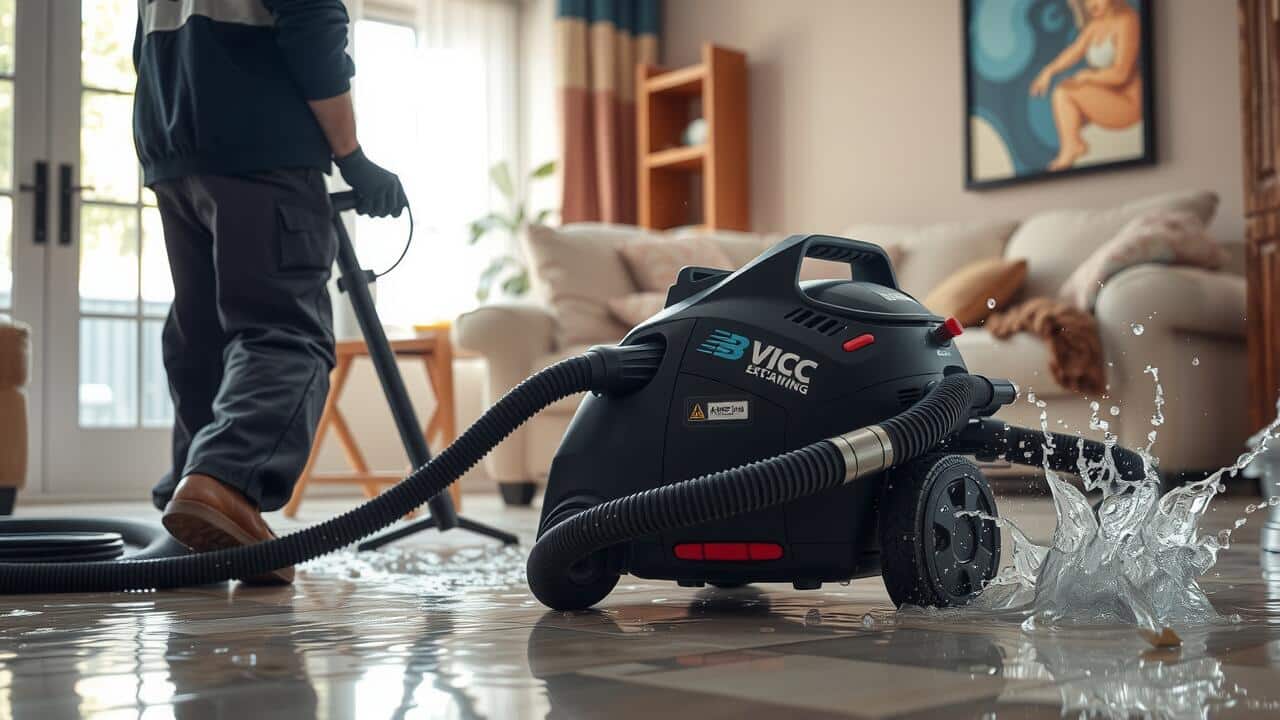
Table Of Contents
Comparing Different Service Providers
When seeking emergency water removal services, it’s essential to compare various service providers to ensure you receive the best value. Many companies offer emergency water extraction in different areas, and their pricing structures can vary significantly. Some may charge flat rates, while others might have fees based on the extent of the damage or the size of the affected area. Reading reviews and gathering testimonials can provide insight into the reliability of a service provider, helping you make a more informed decision.
Additionally, consider the range of services offered by each provider. While some companies may specialize solely in emergency water extraction in residential settings, others might cater to commercial properties as well. Understanding their qualifications, response times, and the technology they use will help you evaluate their expertise. Assessing their customer service approach is equally important, as timely and effective communication can make a substantial difference during a stressful situation.
What to Look for in a Contractor
When searching for a contractor for emergency water extraction in your home, prioritize experience and expertise. Look for companies that specialize in water damage restoration. Read through customer reviews to gauge their reliability and professionalism. Certifications from recognized organizations in the restoration industry can also indicate a level of competency and dedication to best practices.
It is essential to consider the equipment and techniques used by potential contractors. Advanced technology can significantly improve the efficiency of emergency water extraction in various settings. Assess their protocols for water damage assessment and drying procedures. Ask about the types of products used to ensure they are safe for your environment, especially if you have children or pets.
DIY vs. Professional Water Removal
When considering DIY water removal, homeowners may feel empowered by the prospect of handling the situation themselves. Basic tools and equipment, such as wet-vacuum cleaners and fans, can be sufficient for minor flooding. However, this approach can be time-consuming and may not adequately address hidden moisture. Emergency Water Extraction in a professional context ensures that not only is visible water removed but that the risk of mold and structural damage is minimized.
Employing a professional service for water removal brings expertise and advanced equipment to the table. Professionals typically assess the situation thoroughly, providing a comprehensive approach that includes moisture detection and drying techniques. While the upfront cost may be higher than a DIY attempt, the long-term savings from preventing extensive damage may offset initial prices. Emergency Water Extraction by trained specialists can lead to a quicker and more effective resolution of water-related issues.
Cost Implications of Each Approach
When considering the cost implications of DIY versus professional water removal, homeowners should evaluate their own skills and resources. Undertaking emergency water extraction in a DIY manner may initially seem more economical. However, it often requires specialized equipment and supplies that can add unexpected expenses. The time and effort spent in attempting to resolve the issue alone may outweigh the savings gained.
In contrast, hiring a professional service for emergency water extraction in your home can lead to higher upfront costs. These services typically come with advanced equipment and trained technicians who can address the problem quickly and more effectively. While the immediate financial outlay is greater, the potential for long-term savings becomes apparent when factoring in the prevention of secondary damage like mold growth or structural issues.
The Importance of Timely Action
Timely action is crucial when dealing with water damage. The longer the water remains in your property, the more extensive the damage can become. Delays can lead to mold growth, structural compromise, and an overall increase in restoration costs. Emergency Water Extraction in affected areas must begin as soon as possible to mitigate these risks effectively.
Ignoring the need for prompt intervention can result in significant financial repercussions. Water damage is not only challenging to assess but can also worsen over time, leading to expensive repairs. Engaging professionals for Emergency Water Extraction in a swift manner can save homeowners from incurring additional costs associated with prolonged exposure to moisture and the complications that arise from it.
Potential Cost Increases Over Time
Delaying emergency water extraction in a property can lead to significant cost increases over time. As water damage settles in, it can result in more extensive structural issues and mold growth, both of which require additional repair services. The longer a homeowner waits to address water intrusion, the more likely they are to face escalating expenses related to restoration.
In addition to structural damage, prolonged exposure to moisture can affect personal belongings and furnishings. Carpets, furniture, and electronics may sustain irreparable harm if not treated promptly. Investing in emergency water extraction in the initial stages can save homeowners from the financial burden of dealing with these secondary damages, ultimately proving to be a more cost-effective solution.
FAQS
What factors influence the cost of emergency water removal?
Several factors can influence the cost, including the extent of the water damage, the size of the affected area, the type of water involved (clean, gray, or black water), and the specific services needed, such as extraction, drying, or repairs.
How much can I expect to pay for emergency water removal services?
Emergency water removal costs can vary widely, typically ranging from $1,000 to $5,000, depending on the severity of the situation and the service provider’s rates.
Is it cheaper to handle water removal on my own?
While DIY water removal may seem less expensive upfront, it can lead to higher costs in the long run if not done properly. Professional services often ensure that all water is removed and prevent future issues like mold growth.
How quickly should I act to remove water from my home?
Timely action is crucial; it’s recommended to begin water removal within 24-48 hours to minimize damage and reduce potential costs associated with long-term issues like mold and structural damage.
Will my insurance cover the cost of emergency water removal?
Coverage varies by policy and provider, but many homeowners’ insurance policies do cover water removal. It’s important to check your specific policy and consult with your insurance agent for clarity.
Related Links
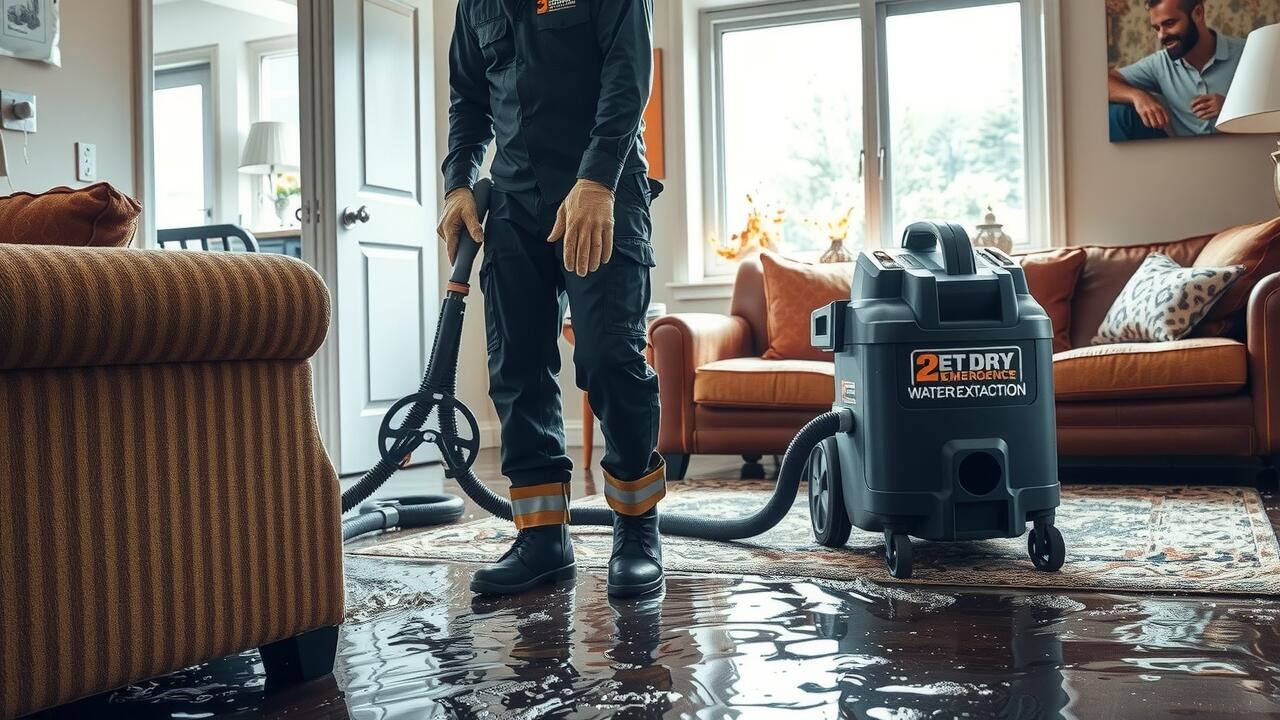

Table Of Contents
Evaluating Structural Integrity
When assessing structural integrity after water exposure, it’s crucial to examine foundational elements, walls, and floors for any signs of weakness or decay. Look for bulging or bowing walls, soft or spongy floorboards, and cracked basements. These issues may indicate a more extensive problem resulting from prolonged moisture exposure. Regular inspections can help identify potential risks before they escalate into critical failures.
In addition to visual inspections, it’s essential to use moisture meters to gauge the extent of water infiltration within the materials. High moisture readings can be an indicator of hidden water damage that might not be immediately visible. For homeowners unsure about conducting these assessments themselves, searching for a “Water Damage Assessment near me” can lead to professional services that specialize in thorough evaluations and accurate reporting of any structural issues.
Signs of Compromised Structures
Inspecting for signs of compromised structures is essential when evaluating potential water damage. Look for visible sagging or bowing in walls and ceilings, which can indicate underlying damage. Cracks in the foundation or walls often signal a more serious issue that needs immediate attention. Peeling paint or wallpaper may hint at moisture intrusion, making it critical to assess these areas thoroughly. Additionally, musty odors often accompany dampness and could point to mold growth, further compromising the integrity of the structure.
When performing a water damage assessment, identifying these warning signs ensures a comprehensive evaluation. For homeowners seeking guidance, searching for “Water Damage Assessment near me” can help connect with professionals who can provide expertise. Taking these steps early can prevent extensive repairs later on, protecting both the property and its inhabitants from the far-reaching effects of untreated water damage.
Documenting Damage
Thorough documentation serves as a critical step in managing water damage. Take detailed photographs of affected areas, capturing both wide-angle shots and close-ups to highlight specific issues. Ensure that images are timestamped and dated to provide an accurate timeline of the damage. Notes accompanying the photos should include observations about the extent of the damage and any visible mold growth or structural concerns. Comprehensive records will aid in discussions with insurance companies or contractors.
If you are unsure about the scale of the damage, conducting a “Water Damage Assessment near me” can provide clarity. This often involves creating a list of all damaged materials and estimating their repair or replacement costs. Include date marks on documents for future reference. A well-documented assessment can streamline communication with professionals and facilitate a more efficient recovery process.
Best Practices for Recording Findings
Maintaining a comprehensive record of water damage findings is essential for effective assessment and remediation. Start by documenting each affected area meticulously. Take clear photographs of visible damage, noting details such as discoloration, warping, and any structural changes. Using a notebook or digital device, create a log of observations, timestamping each entry. Organize your findings systematically, categorizing them by room or area, which can help streamline the evaluation process later.
When seeking assistance, ensure to compile your documentation for review by restoration professionals. This will provide them with a clear understanding of the extent of the damage. If you are searching for expert support, remember to include terms like “Water Damage Assessment near me” in your inquiries. This will help connect you with local specialists equipped to address your needs efficiently while also providing them with a foundational overview of the situation.
Seeking Professional Help
Water damage can lead to significant structural issues that may not be immediately apparent. If the extent of the damage is beyond what can be easily observed, it is wise to seek professional help. Experts in water damage remediation possess the skills and equipment necessary to evaluate the situation thoroughly. Look for services that provide “Water Damage Assessment near me” to ensure a prompt response.
A trained professional can identify hidden damage, assess potential health hazards, and recommend the best course of action. Attempting to handle extensive water damage repairs without expert guidance can lead to further complications. Consulting with a specialist can save time and money, providing peace of mind during a stressful situation.
When to Contact a Water Damage Specialist
Identifying the right moment to contact a water damage specialist can make a significant difference in recovery efforts. If you notice visible signs of water damage, such as discoloration on walls, peeling paint, or a musty odor, it’s essential to seek professional assistance. These indicators often suggest underlying issues that might not be easily visible. The sooner you address these problems, the better the chances are of preventing further deterioration.
When looking for expertise, searching for “Water Damage Assessment near me” can provide local professionals equipped to handle various situations. Specialists can use advanced tools and techniques to assess the extent of the damage and determine the necessary steps for remediation. Their experience can ensure that both immediate concerns and long-term effects are managed effectively.
FAQS
What are the initial steps to inspect for water damage?
Start by visually examining areas prone to moisture, such as basements, attics, and bathrooms. Look for signs of water stains, discoloration, or peeling paint. Additionally, check for any unusual odors, which may indicate hidden mold or mildew.
How can I identify signs of compromised structures?
Look for warping or buckling of walls and floors, cracks in the foundation, or sagging ceilings. These may indicate that water has affected the structural integrity of your home.
What is the best way to document water damage?
Use a combination of photographs and written notes to document the extent of the damage. Capture clear images of affected areas and make detailed notes on the type and severity of the damage for reference.
When is it necessary to seek professional help for water damage?
If you notice extensive damage, ongoing leaks, or signs of mold growth, it’s advisable to contact a water damage specialist. Professionals can conduct a thorough inspection and provide appropriate remediation services.
How can I prevent water damage in the future?
Regular maintenance is key. Ensure proper drainage around your property, inspect and repair roofs and gutters, and address any plumbing issues promptly. Additionally, consider using water sensors in vulnerable areas to detect leaks early.
Related Links
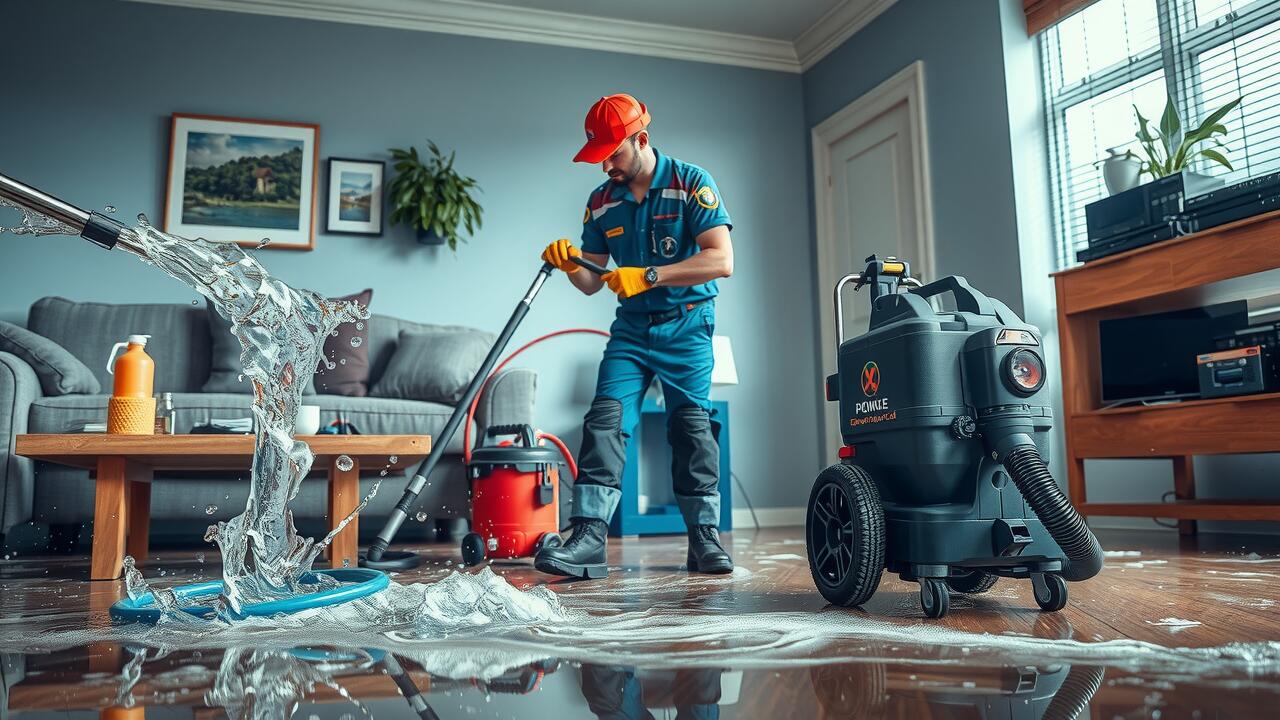
Table Of Contents
Emergency Water Storage
Emergency water storage is essential for preparedness in unexpected situations. Keep a stockpile of clean, safe water by using food-grade containers specifically designed for water storage. Large plastic jugs, such as those that hold five gallons, work well. Fill these containers with tap water, ensuring they are sealed tightly to prevent contamination. Label each container with the date of storage, and replace the water every six months to maintain freshness.
In scenarios where you need to obtain water quickly, consider techniques for Emergency Water Extraction. This can involve collecting rainwater using buckets or tarps, or using a tarp to catch condensation. Both methods can be effective in creating a temporary water supply. Additionally, look for safe sources such as streams or lakes, but remember to purify any water extracted from these sources before consumption.
Best Practices for Storing Water
To ensure the availability of safe drinking water in an emergency, proper storage practices are essential. Use clean, food-grade containers specifically designed for storing water. It is advisable to avoid using containers that once held chemicals or non-food items. Rinse the containers thoroughly before filling them. Ideally, water should be stored in a cool, dark place to prevent algae growth and other contamination. Regular checks on stored water are necessary, replacing it every six months to maintain quality.
In addition to storing water, understanding how to conduct emergency water extraction can be beneficial. Techniques like collecting rainwater or using a solar still can help supplement your supply. While these methods may require some effort, they provide valuable alternative sources of water when traditional supplies are compromised. Always ensure that any extracted water is properly filtered and treated before consumption. This added layer of precaution can safeguard health during unexpected situations.
Utilizing Household Items
In an emergency, everyday household items can serve as valuable resources for collecting water. Containers like pots, buckets, and even bathtubs can be filled with rainwater or runoff. It is essential to assess the cleanliness of these items before use. Rinsing them out can help eliminate any contaminants. Additionally, kitchen appliances like dishwashers can be another source since they hold water after each cycle. Recognizing these potential sources is crucial for effective emergency water extraction.
Innovative methods for capturing water can enhance your emergency preparedness. For instance, using a clean cloth or sponge to absorb moisture from surfaces can be an effective strategy. Once absorbed, wring out the cloth into a container for water collection. Similarly, setting out bowls or other containers to catch dew or condensation overnight can yield useful amounts of water. Employing these household strategies provides tangible options when facing a water scarcity situation.
Creative Ways to Collect Water
In an emergency, thinking creatively can lead to various effective methods of water collection. One method involves caching rainwater using simple materials like buckets or tarps. Positioning a tarp at an angle allows rain to funnel into a container, maximizing your catch. This method is not only resourceful but also efficient during storms when every drop counts. Additionally, dew collection can be done using cloth or fine mesh, which can be hung overnight to capture droplets that form in the cool night air.
Emergency water extraction from plants can also provide a vital source of hydration. Many plants, such as certain cacti and succulents, store water in their tissues. By carefully slicing the plant open or extracting moisture through other methods, you can access this critical resource. For those in wooded areas, soaking leaves or using bamboo can yield additional water, showcasing the importance of utilizing your surroundings creatively. Adapting to available resources is crucial in emergencies, and these methods can help sustain hydration needs when traditional sources are unavailable.
Avoiding Contaminated Sources
In an emergency situation, it is crucial to identify and avoid contaminated water sources. Natural bodies of water, such as rivers and lakes, may contain harmful bacteria, chemicals, or debris. Observing the water’s appearance and odor can provide essential clues about its safety. Any water that appears muddy, has an unusual color, or emits a foul smell should be considered unsafe for consumption or any use.
During emergency water extraction, choosing sources that are most likely to provide clean water is vital. Rainwater is often a safe option, providing it is collected in clean containers. Other potential sources include water from the hot water heater or pipes, but they should be accessed judiciously. Always assess any alternative sources for visible pollutants, and prioritize methods that minimize the risk of contamination.
Recognizing Unsafe Water Indicators
Identifying unsafe water is crucial during an emergency. Clear indicators include discoloration, unusual odors, and the presence of sediments. Water that appears cloudy or murky should be treated with caution. Contaminated water can carry pathogens that lead to illness. One specific concern is when water sources are close to industrial facilities or agricultural areas, which may introduce harmful chemicals.
Another important aspect to consider is the taste of the water. If it has a metallic, bitter, or chemical flavor, it may be unsafe for consumption. Emergency Water Extraction techniques can help in sourcing more water, but ensuring the safety of that water is vital. Always assess the water before using it for drinking, cooking, or personal hygiene to prevent potential health risks.
FAQS
What is the recommended amount of water to store for emergencies?
It is generally recommended to store at least one gallon of water per person per day for at least three days, but ideally, you should aim for a two-week supply.
How can I properly store water for emergencies?
Store water in clean, food-grade containers, keeping them in a cool, dark place. It’s best to rotate your supply every six months to ensure freshness.
What household items can be used to collect water during an emergency?
You can utilize items like buckets, pans, and even clean plastic bottles to collect rainwater or water from other sources if needed.
How can I identify if water is contaminated?
Look for signs such as unusual colors, odors, or floating particles. If the water tastes strange or if you suspect it has been contaminated, do not use it.
What are some creative ways to collect water in an emergency?
In addition to collecting rainwater, you can set up tarps to funnel water into containers, use condensation from surfaces, or even collect dew in the early morning.
Related Links
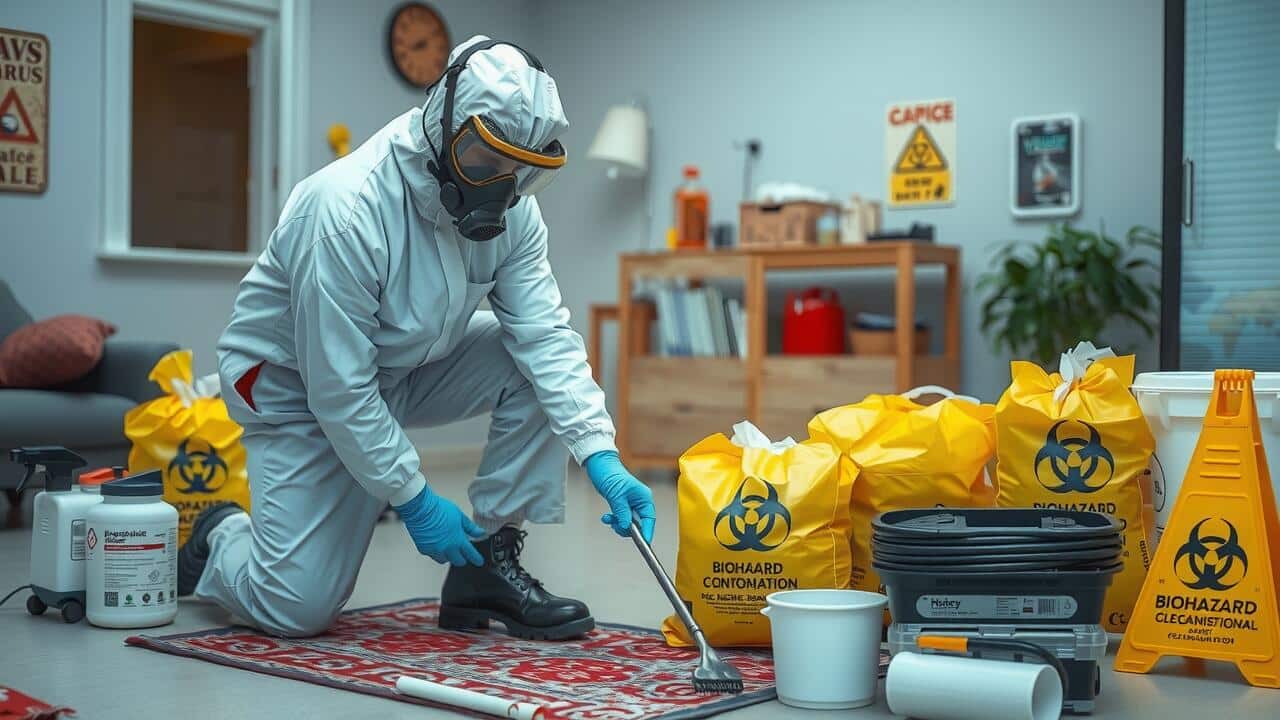
Table Of Contents
Safe Disposal Methods
Safe disposal methods are crucial in the process of biohazard cleanup in various environments, such as residential, commercial, or industrial settings. The primary goal is to ensure that all hazardous materials are handled with the highest level of safety and compliance. Key components of this process include the use of specialized containers designed for biohazard waste. These containers are often marked with distinctive labels to prevent accidental exposure and ensure proper handling.
Professionals in biohazard cleanup in many cases utilize incineration, autoclaving, or chemical treatment methods to eliminate biological threats effectively. These techniques are governed by strict regulations that dictate how waste should be treated, transported, and disposed of. Proper training is essential for those involved in this type of cleanup to ensure adherence to legal and safety standards, minimizing risks to both individuals and the environment.
Regulations Governing Hazardous Waste
Regulations governing hazardous waste are critical to ensuring public safety and environmental protection. Various federal and state laws dictate how biohazardous materials should be handled, transported, and disposed of. The Environmental Protection Agency (EPA) provides guidelines that facilities handling potentially hazardous substances must follow. Compliance with these regulations helps to minimize health risks associated with biohazard cleanup in homes and businesses.
Local regulations can also differ, adding another layer of complexity for those responsible for cleanup. States may impose stricter guidelines regarding the classification of waste and the protocols for disposal. Failure to adhere to these regulations can result in fines and legal repercussions, highlighting the importance of understanding the legal framework surrounding biohazard cleanup in any given area. Proper training and certification are often required for professionals who manage such tasks, ensuring that both the cleanup process and waste disposal are performed safely and in accordance with the law.
Professional Services vs. DIY Cleanup
When dealing with biohazard cleanup, the choice between hiring professional services and undertaking a DIY approach is crucial. Professional services possess the expertise and specialized equipment necessary to safely remove and dispose of hazardous materials. They follow strict protocols and regulations to ensure that the cleanup is thorough and compliant with legal standards. In contrast, a DIY cleanup may lack the required knowledge and tools, potentially leading to unsafe practices that endanger health and safety.
Attempting a DIY cleanup can expose individuals to serious risks, especially when handling unknown substances. Without proper training, one might overlook critical safety measures or fail to recognize harmful situations. Biohazard cleanup in residential or commercial spaces demands careful attention not only to safety but also to the emotional fallout from traumatic events. Professional teams are equipped not only to handle the physical aspects of the situation but also to provide emotional support to those affected, making their services invaluable in these sensitive circumstances.
Risks of Attempting Cleanup Independently
Attempting to perform biohazard cleanup in a home or business without professional guidance poses significant risks. Individuals may be exposed to harmful pathogens, chemicals, and other hazardous materials that can lead to serious health issues. The lack of proper training can also result in inadequate cleanup, which can compromise safety and lead to further contamination of the environment.
In addition to health risks, there are legal implications associated with improper biohazard cleanup in settings where regulations apply. Many states and municipalities have strict laws governing the handling and disposal of hazardous waste. Violating these regulations can result in hefty fines and legal repercussions, adding to the stress of an already challenging situation. Seeking professional services is often the best course of action to ensure compliance and thorough safety measures.
Emotional Support and Counseling
Cleaning up after a biohazard incident often extends beyond physical labor and logistical challenges. The emotional toll on individuals and families can be significant, as they navigate the aftermath of trauma associated with hazardous situations. Accessing emotional support plays a crucial role in the healing process. Counseling services offer a safe space for those affected to express their feelings, confront fears, and develop coping strategies. This support can facilitate recovery and help individuals regain a sense of normalcy after a distressing experience.
Engaging professional services for biohazard cleanup in itself can be an intimidating step. Many people may underestimate the psychological impacts of such events on their mental well-being. Trained counselors can provide valuable insights into handling grief, anxiety, and other emotional responses that may arise during and after the cleanup process. A holistic approach, combining specialized cleanup with emotional counseling, helps individuals address both the physical and psychological aspects of trauma, fostering long-term recovery and resilience.
Addressing Psychological Impacts
The aftermath of a biohazard incident can leave individuals grappling with a range of emotional responses. Feelings of grief, anxiety, and overwhelm are common, particularly if the event involved a traumatic experience. The significance of these feelings necessitates addressing them with care and consideration. Biohazard cleanup in such situations may not only require physical cleanup but also an acknowledgment of the emotional toll on those affected.
Professional counseling services can provide essential support during the healing process. Therapeutic interventions can help individuals process their experiences and emotions, fostering resilience and recovery. While biohazard cleanup in a physical sense is critical for safety, the psychological impacts cannot be overlooked. Individuals are encouraged to seek mental health resources to navigate the complexities of their feelings and find constructive ways to cope.
FAQS
What materials are considered biohazard waste?
Biohazard waste includes any materials that may pose a threat to public health or the environment, such as blood, bodily fluids, human tissues, and medical waste.
What are the safe disposal methods for biohazard materials?
Safe disposal methods typically involve incineration, autoclaving, or using certified biohazard waste disposal services that follow strict regulations for handling and disposal.
Why should I hire professional services for biohazard cleanup instead of doing it myself?
Professional services are trained to handle hazardous materials safely and effectively, ensuring compliance with regulations and minimizing health risks associated with improper cleanup.
What are the risks of attempting biohazard cleanup independently?
The risks include exposure to harmful pathogens, improper disposal of hazardous waste, legal repercussions for violating regulations, and potential psychological trauma associated with the incident.
How can emotional support and counseling help after a biohazard incident?
Emotional support and counseling can provide individuals with coping strategies to deal with trauma, offer a safe space to express feelings, and facilitate the healing process after a distressing event.
Related Links


Table Of Contents
Clean and Disinfect Surfaces
Cleaning and disinfecting surfaces is a crucial step in addressing water damage. Start by removing any standing water using towels or a wet-dry vacuum. Once the area is visibly dry, use a mixture of water and a commercial disinfectant to sanitize surfaces. Focus on areas that have been directly affected by water, including floors, walls, and any furniture that may have absorbed moisture. Pay special attention to porous materials, as they tend to harbor bacteria and mold.
If the water damage is extensive, you may need to search for “Emergency Water Extraction near me” to access professional services. These experts have the equipment and expertise to effectively remove moisture and prevent further damage. After the surfaces have been cleaned and disinfected, ensure proper ventilation in the area to aid the drying process. This helps reduce the risk of long-term damage and health issues related to mold growth.
Recommended Cleaning Solutions
When facing water damage, selecting the right cleaning solution is critical for effective remediation. Products designed specifically for water-related issues often contain ingredients that can eliminate bacteria and fungi. Many homeowners find that a mixture of water and mild detergent can be sufficient for initial cleaning. For tougher stains and odors, consider using white vinegar or hydrogen peroxide diluted with water. These natural solutions are not only effective but also environmentally friendly.
If professional assistance is necessary, searching for “Emergency Water Extraction near me” can yield local experts who utilize specialized cleaning agents and equipment. These professionals often have access to industrial-grade solutions that can more effectively tackle mold and mildew than typical household cleaners. When addressing water-damaged areas, ensure all cleaning products are suitable for the surfaces being treated to avoid further damage.
Prevent Mold Growth
Preventing mold growth is a crucial step after any water damage incident. Mold thrives in damp environments, rapidly developing within 24 to 48 hours if left unchecked. To mitigate this risk, it is essential to keep affected areas as dry as possible. This includes using dehumidifiers and ensuring proper ventilation. Regularly checking hidden areas, such as behind walls and under carpets, can help identify any moisture buildup that could foster mold.
Hiring professionals for “Emergency Water Extraction near me” can be a proactive measure to prevent mold problems. They utilize specialized equipment to effectively remove water and moisture from your home. Additionally, applying antimicrobial treatments to the affected surfaces can inhibit mold growth. Prompt action and thorough drying are key components in maintaining a healthy environment after water damage.
Mold Prevention Strategies
To prevent mold growth in areas affected by water damage, it is crucial to maintain low humidity levels. Using dehumidifiers can significantly reduce moisture in the air. Ensure proper ventilation in basements and other areas prone to dampness. Regularly check for leaks in plumbing and appliances. Addressing any potential sources of water intrusion immediately can help mitigate the risk of mold proliferation.
In addition to controlling moisture, regular cleaning and maintenance of surfaces can aid in mold prevention. Use antifungal sprays on susceptible areas, especially in bathrooms and kitchens. If you’ve experienced significant water damage, seeking services for “Emergency Water Extraction near me” can help remove excess water quickly, minimizing the chances for mold to take root. Regular inspections and prompt repairs of any leaks or water issues are essential in keeping your environment mold-free.
Repair Water-Damaged Structures
Repairing water-damaged structures requires careful assessment to ensure safety and effectiveness. The first step is to identify the extent of the damage, which may involve inspecting walls, ceilings, and flooring. Salvaging viable materials is essential. Any drywall that is severely damaged often needs replacement, while affected wooden structures may require drying or professional treatment. In many cases, you can conduct basic repairs yourself, but identifying when to seek help is crucial.
If structural integrity is compromised, immediate professional assistance is advisable. Many services offer emergency water extraction near me, providing prompt help to minimize further damage. Hiring professionals ensures that the affected areas are properly dried and treated to prevent future problems. While DIY repairs may suffice for minor damage, tackling major issues might necessitate expertise. Balancing personal skill with professional help can lead to the best outcomes.
DIY Repairs vs. Professional Help
When facing water damage, homeowners often weigh the option of DIY repairs against hiring professionals. Many minor issues, such as small leaks or surface water, can be effectively handled with DIY methods using readily available tools and materials. For more complex situations, addressing structural damage or significant flooding may require professional expertise to ensure proper restoration and prevention of future problems. It’s crucial to assess the scale of the damage and the required skills for an effective repair.
In some cases, enlisting a professional isn’t just about convenience; it’s about safety and efficacy. Professionals typically have access to advanced equipment and techniques, such as high-powered dehumidifiers and inspection tools, ensuring a thorough job. Searching for “Emergency Water Extraction near me” can provide immediate help, as local specialists are often trained to handle urgent situations swiftly. This level of expertise can save time and prevent further complications, making it a worthwhile investment in serious cases of water damage.
FAQS
What is the first step to take when dealing with water damage?
The first step is to clean and disinfect surfaces that have been affected by water to prevent further issues, such as mold growth.
What cleaning solutions are recommended for water-damaged areas?
Recommended cleaning solutions include a mixture of water and mild detergent, white vinegar, and commercial cleaners specifically designed for water damage restoration.
How can I prevent mold growth after water damage?
To prevent mold growth, ensure that the affected areas are dried completely, maintain low humidity levels, and use dehumidifiers and fans to facilitate drying.
Should I attempt DIY repairs for water damage or hire a professional?
If the damage is minor, DIY repairs can be a cost-effective option. However, for significant damage or safety concerns, it is best to hire a professional for repairs.
How quickly should I address water damage to minimize long-term effects?
It is crucial to address water damage as soon as possible, ideally within 24 to 48 hours, to minimize long-term effects like structural damage and mold growth.
Related Links
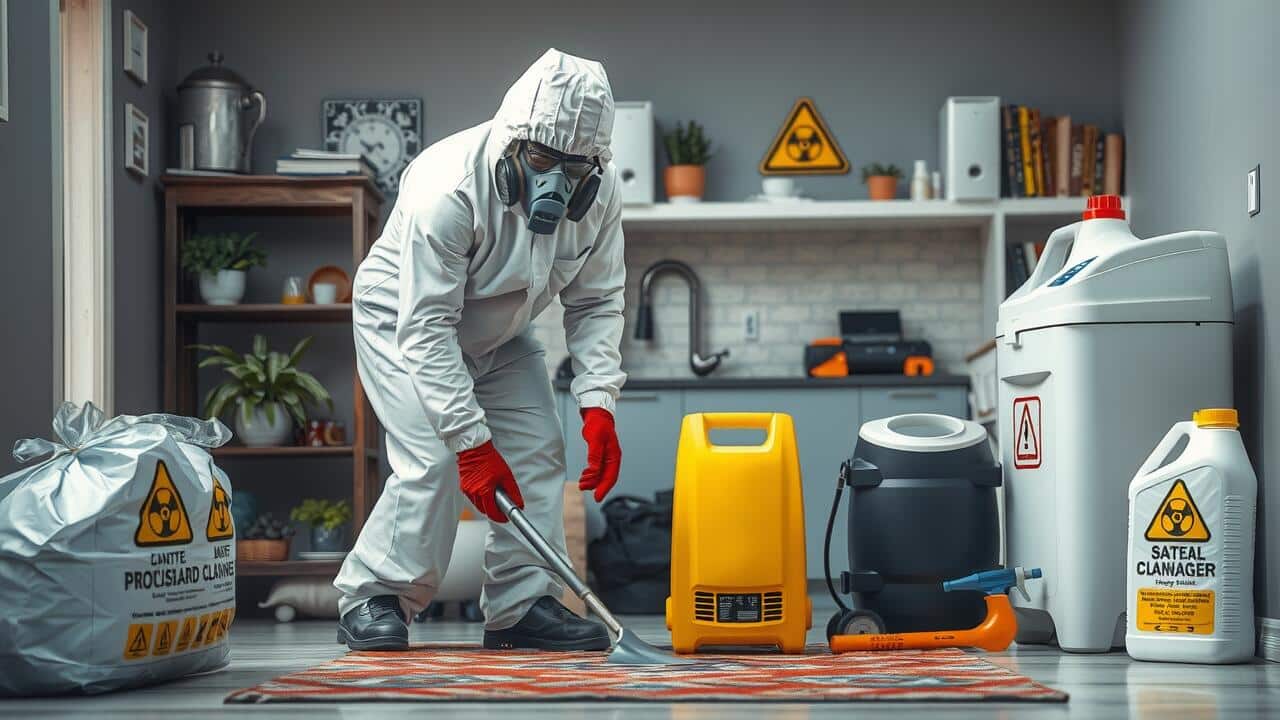
Table Of Contents
Waste Disposal Protocols
Effective waste disposal protocols are essential for managing biohazard materials safely and efficiently. It is important to segregate hazardous waste from regular waste to minimize contamination risks. Utilizing clearly labeled containers designated for different types of biohazards helps keep materials organized. This segregation process not only facilitates safe handling but also ensures that workers are aware of the potential dangers associated with specific waste types.
For those searching for assistance, services such as “Biohazard Cleanup near me” can provide expert help. Professional cleanup teams are trained to adhere to strict waste disposal regulations, ensuring compliance with local laws. They possess the knowledge necessary to identify, package, and transport hazardous materials appropriately, significantly reducing the risks involved with improper disposal. Engaging professionals can make the process smoother and safer for all parties involved.
Proper Disposal of Biohazard Materials
When dealing with biohazard materials, proper disposal is crucial to ensure safety and compliance with health regulations. Materials such as blood, bodily fluids, and pathological waste must be placed in specific biohazard containers that are labeled accordingly. These containers should be sealed and picked up by licensed disposal companies experienced in handling hazardous waste. Ensuring that your facility is equipped with the right disposal methods can mitigate risks to public health and the environment.
In many cases, individuals may search for “Biohazard Cleanup near me” to find local services that specialize in the safe removal and disposal of biohazardous materials. These professionals have the necessary training and experience to manage potentially infectious substances effectively. Utilizing a local cleanup service not only helps comply with legal requirements but also provides peace of mind knowing that the cleanup process is handled according to established safety protocols.
Professional Cleanup Services
When dealing with biohazard materials, relying on professional cleanup services can ensure safety and compliance. These specialized teams are trained to handle hazardous substances, which minimizes the risk of exposure to harmful pathogens. They use appropriate protective equipment and follow established protocols to manage and dispose of biohazards effectively.
Searching for “Biohazard Cleanup near me” can lead you to providers with the necessary expertise. These professionals take care of everything from assessment to complete decontamination. Choosing a certified service not only protects your health but also ensures that all legal and regulatory requirements are met during the cleanup process.
When to Call Experts
In situations where biohazard materials are present, it is crucial to assess whether professional help is necessary. Common scenarios include crime scenes, industrial accidents, or situations involving contamination from bodily fluids. If the area poses risks to health and safety, calling experts is advisable. They possess the training, equipment, and knowledge required to handle these situations safely and effectively.
Searching for “Biohazard Cleanup near me” can lead to qualified professionals who specialize in this field. These experts are equipped to manage the cleanup process in compliance with local and federal regulations. They ensure that all biohazardous materials are disposed of correctly, minimizing risks to both individuals and the environment. Engaging a reputable service can provide peace of mind and ensure a thorough job is done.
Legal and Regulatory Guidelines
Proper handling and disposal of biohazard materials is governed by various legal and regulatory frameworks. These guidelines ensure that hazardous waste is managed safely and responsibly. Different states may have specific regulations that dictate how biohazard materials are to be classified, transported, and disposed of. Compliance with these regulations is crucial to avoid legal penalties and to protect public health.
Understanding compliance requirements is essential for businesses and individuals dealing with biohazards. Organizations must stay informed about local and federal regulations that pertain to biohazardous waste. Failing to comply can result in hefty fines and increase the risk of contamination. Researching resources such as “Biohazard Cleanup near me” can provide valuable information and connect individuals with professionals who are knowledgeable about the legal obligations related to biohazard cleanup.
Understanding Compliance Requirements
Compliance with legal and regulatory guidelines is crucial when managing biohazard material. Regulations vary by state and local jurisdictions, so it is important to understand what applies to your specific situation. Familiarizing oneself with the Occupational Safety and Health Administration (OSHA) standards, as well as Environmental Protection Agency (EPA) mandates, will help ensure that all safety and disposal procedures are properly implemented. Neglecting compliance can lead to serious penalties and health risks for individuals involved in the cleanup process.
For those unsure about the specific legal requirements, seeking assistance from professional cleanup services can be beneficial. These experts are trained to navigate complex regulations and can provide necessary documentation that demonstrates compliance. Searching for “Biohazard Cleanup near me” can connect individuals with qualified services in their area. This approach can help mitigate risks and ensure that all cleanup activities adhere to local, state, and federal laws.
FAQS
What are biohazards?
Biohazards are biological substances that pose a threat to the health of living organisms, primarily humans. They can include things like blood, bodily fluids, pathogens, and contaminated medical waste.
How do I safely dispose of biohazard materials?
Biohazard materials should be disposed of in accordance with local regulations. Typically, this involves placing them in properly labeled biohazard bags or containers that are puncture-resistant and leak-proof.
When should I consider hiring professional cleanup services for biohazard cleanup?
You should consider hiring professional cleanup services when the biohazard is extensive, poses significant health risks, or when the cleanup involves complex procedures that require specialized training and equipment.
What legal guidelines govern the disposal of biohazard materials?
Legal guidelines for biohazard disposal vary by region but generally include compliance with local, state, and federal regulations, such as those set by the Occupational Safety and Health Administration (OSHA) and the Environmental Protection Agency (EPA).
What are the signs that I need to call in experts for biohazard cleanup?
Signs that you may need to call in experts include the presence of large volumes of biohazardous waste, exposure to infectious materials, or if the cleanup site is a crime scene or involves a serious accident that requires specialized handling.
Related Links

Table Of Contents
Spot Cleaning Stains
When dealing with stains on upholstery, prompt action is essential. Blot the stain gently with a clean cloth, absorbing as much of the spill as possible without rubbing, which can push the stain further into the fabric. Always test your cleaning solution on a hidden area before applying it to the visible surface. This step helps avoid any potential discoloration or damage to the fabric. Upholstery cleaning in this initial phase should focus on treating the stain directly for the best chance of removal.
Different types of stains require specific treatment methods for effective cleaning. For example, grease stains may benefit from a small amount of dish soap mixed with water, while a vinegar solution can help lift odors and stains caused by pets. After applying your chosen solution, blot again to lift the stain and rinse with a damp cloth. Regular maintenance and quick response to spills are key elements in upholstery cleaning that can extend the life of your fabric furniture.
Steps for Treating Common Stains
When addressing common stains on upholstery, it’s crucial to act quickly. Blotting the stain gently with a clean cloth can help absorb excess liquid. Avoid rubbing, as this can spread the stain or push it deeper into the fibers. For food and drink stains, a mixture of mild dish soap and water often works well. Apply it with a soft cloth, followed by patting dry to lift the stain from the fabric.
Another effective approach involves using commercial upholstery cleaning products designed for specific types of stains. Read the label carefully to ensure compatibility with your fabric. Always test any cleaner in a hidden area first to avoid discoloration. For persistent stains, professional Upholstery Cleaning in your area may be required to restore the fabric to its original state without damaging it.
Deep Cleaning Methods
Deep cleaning upholstery fabric is essential for maintaining its appearance and prolonging its lifespan. Various methods are available, allowing homeowners to choose what best suits their needs and preferences. For many, steam cleaning is a popular choice due to its effectiveness in removing dirt and allergens without the use of harsh chemicals. It works by infusing hot water vapor into the fabric, loosening stubborn grime and extracting it simultaneously. This method is especially beneficial for deep stains and odors, ensuring a thorough cleanse.
Alternatively, dry cleaning can be an excellent option for delicate fabrics that may not withstand moisture. This method utilizes solvents instead of water to remove dirt and stains, making it gentler on certain upholstery types. When considering professional assistance for upholstery cleaning in various settings, it’s crucial to select a reputable service familiar with the specific fabric types in your home. Properly executed deep cleaning can reveal the original vibrancy of the upholstery and significantly enhance the overall aesthetic of a room.
Choosing Between Steam and Dry Cleaning
When considering upholstery cleaning in your home, both steam and dry cleaning methods offer distinct advantages. Steam cleaning utilizes hot water vapor to penetrate fibers, effectively loosening dirt and grime. This method also helps to eliminate allergens and bacteria, making it a suitable option for households with pets or allergies. The heat from the steam can also refresh fabric colors, revitalizing your upholstery and bringing it back to life.
On the other hand, dry cleaning employs a chemical solvent that evaporates quickly, minimizing moisture exposure. This method is particularly beneficial for delicate fabrics that may be damaged by water or heat. Dry cleaning allows for faster drying times and is often preferred when dealing with stubborn stains or preserving the integrity of certain materials. Weighing the unique benefits of each method can help determine the best approach for upholstery cleaning in your space.
Homemade Cleaning Solutions
Homemade cleaning solutions can be an effective way to tackle tough stains on upholstery. Many common ingredients found in most households can provide excellent results. For instance, a combination of white vinegar and water can serve as a powerful cleaner that lifts dirt and grime without leaving harmful residues. Baking soda can also be used to deodorize fabrics, making it a popular choice for general maintenance.
When considering upholstery cleaning in various fabrics, it’s important to test any homemade solution on a small, inconspicuous area first. This helps ensure that the chosen cleaner will not damage the material. Simple recipes, like mixing dish soap with water or using hydrogen peroxide for specific stains, can yield remarkable results. Tailoring your approach based on the fabric type will enhance the effectiveness of these DIY cleaners.
DIY Recipes for Upholstery Cleaners
Creating your own upholstery cleaner can be an effective and economical solution for maintaining your fabric furniture. A simple recipe involves mixing one cup of vinegar, one cup of water, and a tablespoon of mild dish soap. This mixture serves as a gentle yet effective cleaner that can tackle various stains and refreshing your upholstery without harsh chemicals. Always test such homemade solutions on an inconspicuous area first to ensure the fabric’s color and texture remain intact.
Another popular DIY cleaner combines baking soda and water to form a paste. Apply this paste directly to stained areas and let it sit for about 15 minutes before gently scrubbing with a soft brush or cloth. Baking soda is known for its odor-neutralizing properties, making it particularly useful for upholstery cleaning in homes with pets or children. Ensure to vacuum the area thoroughly after the paste has dried to remove any residue and restore the fabric’s appearance.
FAQS
What is the best way to clean upholstery fabric?
The best way to clean upholstery fabric depends on the type of stain and fabric. For routine cleaning, regular vacuuming and spot cleaning are essential. For deeper cleaning, consider using steam cleaning or dry cleaning methods, depending on the fabric type.
How do I spot clean stains on upholstery?
To spot clean stains, first blot the area gently with a clean cloth to absorb excess moisture. Then, use a suitable cleaning solution or homemade cleaner, applying it to the stain and blotting again until the stain lifts. Always test any cleaner on a hidden area first.
What are some common stains on upholstery and how do I treat them?
Common stains include food, drink, and pet-related marks. For food stains, scrape off any solids and blot with water. For drink stains, mix water with a mild detergent. For pet stains, use an enzymatic cleaner to break down odors and stains. Refer to the article for specific steps.
Is steam cleaning better than dry cleaning for upholstery?
It depends on the upholstery fabric. Steam cleaning is effective for durable fabrics and can help remove deep-seated dirt, while dry cleaning is safer for delicate fabrics. Always check the care label on your upholstery before deciding on a cleaning method.
Can I make my own upholstery cleaner?
Yes, you can make homemade upholstery cleaners using common household ingredients. For example, a mixture of vinegar and water or baking soda and water can work well. The article provides specific DIY recipes for effective upholstery cleaners.