Category: Uncategorized
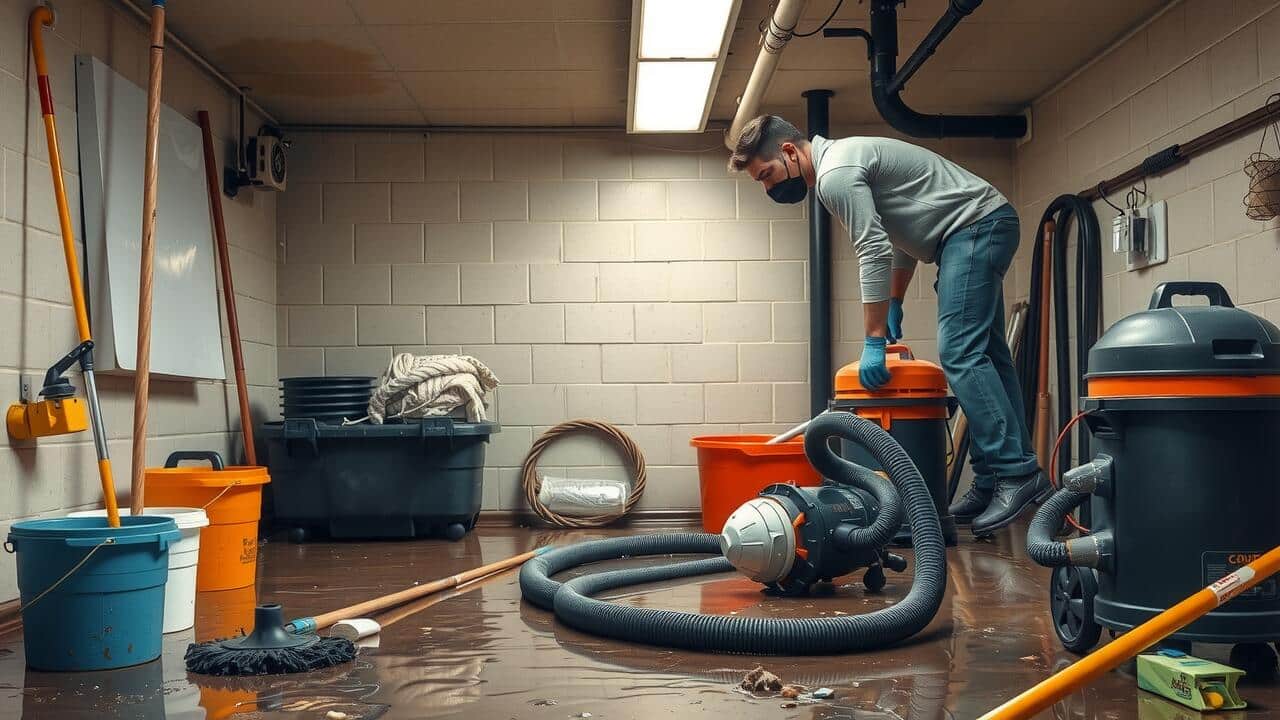
Table Of Contents
Insurance Coverage and Claims
Understanding insurance coverage for basement flooding cleanup is essential for homeowners facing this challenge. Many standard homeowner’s policies may cover water damage due to certain circumstances, such as backup from sewers or drains. However, coverage specifics can vary significantly depending on the insurer and the policy. It’s vital to review your policy details to determine what types of water damage are included and whether flood insurance is necessary.
Filing a claim for water damage can be a straightforward process if you have the right documentation. Start by taking photos of the damage, which can help support your claim. Report the incident to your insurance company as soon as possible. Be prepared to provide details about the flooded area and the cleanup efforts already made. Timely submission increases the chances of a smooth claims process and potential reimbursement for the costs associated with basement flooding cleanup.
How to File a Claim for Water Damage
To file a claim for water damage, start by documenting the extent of the damage. Take photos of the flooded area, affected belongings, and any visible structural issues. This documentation will support your claim and provide an accurate representation of the damage. Next, review your insurance policy to understand the coverage details, limitations, and any specific procedures required for filing a claim related to basement flooding cleanup.
After gathering all necessary information, contact your insurance company to report the water damage. Provide them with the documented evidence and any relevant details about the incident. Be prepared to answer questions regarding the timing and nature of the flooding. Your insurer may send an adjuster to assess the damage, so ensure that the area remains accessible for inspection during this process.
Prevention Measures for Future Flooding
Taking proactive measures to prevent flooding significantly reduces the risk of extensive water damage in your home. One effective strategy is to ensure proper grading around your property. The soil should slope away from your foundation, directing rainwater away from the basement. Additionally, regularly cleaning gutters and downspouts is crucial. Debris buildup can lead to blockages, causing overflow and potential flooding.
Installing sump pumps can provide an extra layer of protection. These devices help remove water accumulation in your basement, especially during heavy storms. Furthermore, waterproofing your basement walls and floors creates a barrier against moisture intrusion. Implementing these strategies not only minimizes the chance of basement flooding but also alleviates the burden of costly Basement Flooding Cleanup in the future.
Cost-Effective Solutions to Mitigate Risks
Homeowners can take proactive steps to reduce the risk of basement flooding. Installing sump pumps and maintaining proper drainage around the foundation can significantly mitigate water intrusion. Regular inspections of gutters and downspouts ensure that they direct water away from the foundation. These measures not only protect against flooding but can also save homeowners money in potential cleanup costs.
Another effective strategy involves sealing cracks in walls and floors. This simple maintenance task can prevent water seepage during heavy rains. Additionally, investing in water-resistant building materials can enhance protection. These cost-effective solutions represent practical investments toward safeguarding a property and reducing the need for extensive basement flooding cleanup in the future.
Hiring Qualified Professionals
When dealing with basement flooding cleanup, hiring qualified professionals is essential to effectively address the damage and prevent future issues. Look for companies that specialize in water damage restoration with a proven track record. They should have the necessary certifications and experience to handle various types of water damage, ensuring that the cleanup process adheres to industry standards and safety protocols.
In addition to proper qualifications, it’s important to consider the tools and techniques a cleanup service employs during the restoration process. Advanced equipment, such as industrial-grade dehumidifiers and powerful pumps, can significantly enhance the efficiency of basement flooding cleanup. Review customer testimonials and request references to assess the quality of service. A reputable provider will also offer a detailed estimate and explain the steps involved in the cleanup process.
What to Look for in a Cleanup Service
When searching for a cleanup service for basement flooding cleanup, it is essential to prioritize experience and expertise. Look for companies that specialize in water damage restoration, as they will have the necessary tools and knowledge to address the specific challenges posed by flooded basements. Reading reviews and checking references can provide insight into a company’s reliability and effectiveness, helping you make an informed decision.
Another important factor is the availability of certified professionals. Ensure the cleanup service employs technicians who are certified by organizations like the Institute of Inspection, Cleaning and Restoration Certification (IICRC). This certification indicates a commitment to industry standards and best practices. Additionally, confirm that the service offers a detailed plan for cleanup and restoration, including assessments of potential mold growth, which is a common concern after water damage.
FAQS
How much does it typically cost to clean up a flooded basement?
The cost to clean up a flooded basement can vary widely, typically ranging from $1,000 to $4,000, depending on the extent of the damage, the size of the area, and the services needed.
Will my homeowner’s insurance cover the cost of basement flooding cleanup?
Many homeowner’s insurance policies may cover the costs associated with water damage, but coverage can depend on the cause of the flooding. It’s best to check your policy and consult with your insurance provider.
What factors influence the cost of cleaning a flooded basement?
Factors that can influence the cost include the severity of the flooding, the size of the basement, the type of materials affected, the need for professional equipment, and whether mold remediation is necessary.
Are there preventive measures I can take to avoid future flooding?
Yes, preventive measures include regular maintenance of gutters and downspouts, installing sump pumps, sealing cracks in the foundation, and landscaping that directs water away from the house.
How can I choose a qualified professional for basement cleanup?
When hiring a cleanup service, look for licensed and insured professionals, read reviews, check references, and ensure they have experience with water damage restoration.
Related Links
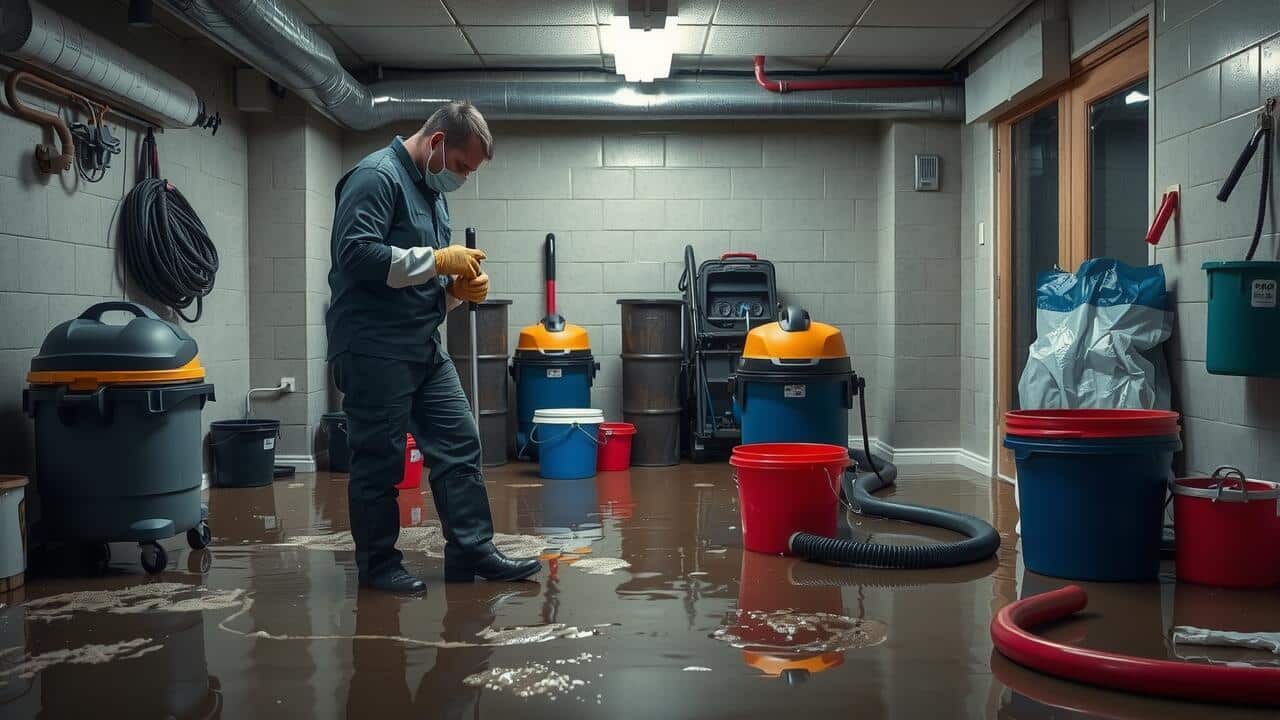
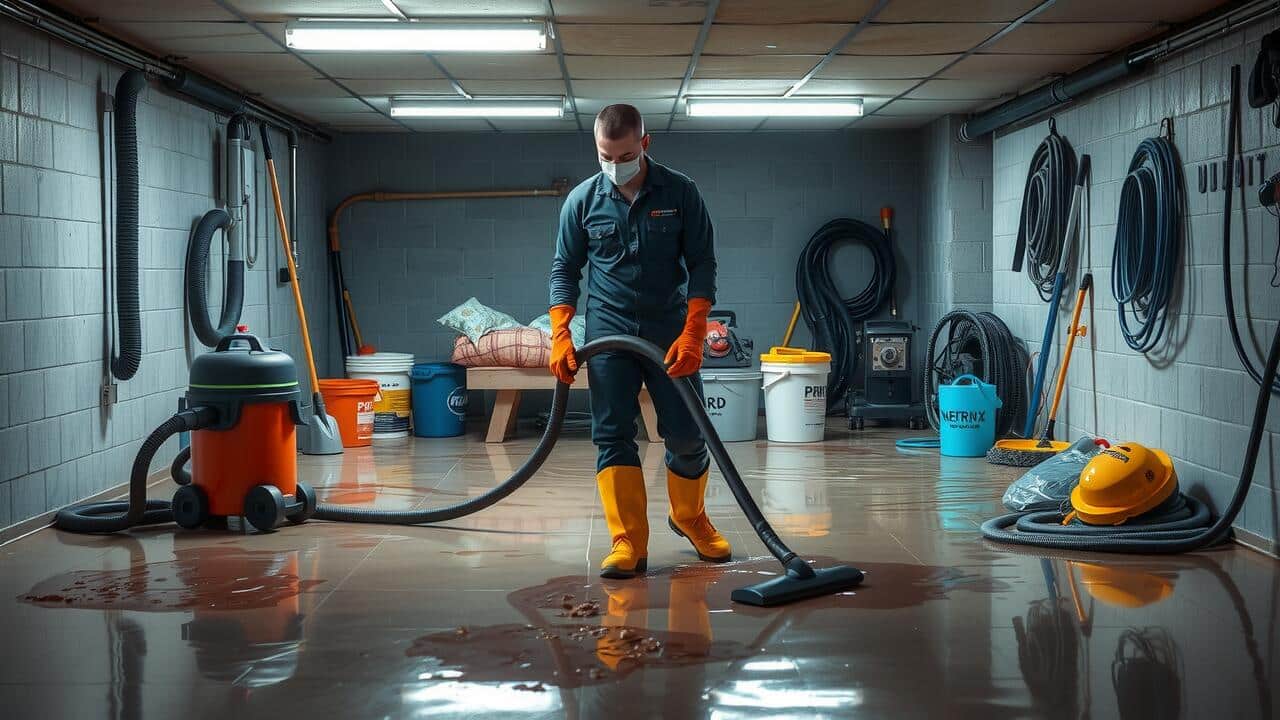
Table Of Contents
Emergency Response and Timeliness
When facing basement flooding, timely response is crucial to mitigating damage and reducing costs. Floodwaters can quickly lead to structural issues and mold growth, both of which necessitate immediate attention. SERVPRO is known for its rapid response team, ready to engage in emergency situations 24 hours a day. Their trained professionals arrive equipped with advanced tools and techniques to address the specific challenges of flooded basements.
For homeowners searching for services like “Basement Flooding Cleanup near me,” the importance of expedient action becomes clear. Rapid intervention not only speeds up the cleanup process but also enhances the chances of salvaging personal belongings and minimizing repair expenses. With SERVPRO’s commitment to quick service, clients can alleviate some of the stresses associated with water damage, giving them peace of mind during an already challenging time.
Importance of Immediate Action
Immediate action is crucial when dealing with basement flooding. Water can cause significant damage to your home and belongings within minutes. The longer water sits, the more difficult and expensive it becomes to restore the area. Mold can develop rapidly, which introduces health risks and complicates cleanup efforts. Quickly addressing the situation saves time and limits the extent of damage.
When searching for assistance, many people look online for “Basement Flooding Cleanup near me.” This phrase highlights the urgency of the situation and the need for local professionals who can respond quickly. Local services are often better positioned to provide timely help, ensuring that the cleanup process begins promptly. Employing a trusted service can ease the burden and facilitate a smoother recovery.
Insurance Coverage for Flood Damage
Homeowners facing flood damage often look to their insurance policies for relief. Many standard homeowners’ insurance policies cover water damage from unexpected leaks, including basement flooding. However, coverage can vary significantly based on policy types and the specific circumstances of the flooding event. It is crucial for homeowners to review their insurance documents carefully to understand their coverage limits and exclusions.
When filing a claim, documenting the damage thoroughly is essential. This includes taking photographs of the affected areas and keeping records of all communications with your insurance provider. If you search for “Basement Flooding Cleanup near me,” it is advisable to obtain estimates from local professionals like SERVPRO. These estimates can serve as solid evidence when negotiating with your insurer for reimbursement of cleanup and restoration costs.
What to Know About Filing a Claim
Filing an insurance claim for flood damage can be a complex process, but understanding the key steps can make it more manageable. Begin by documenting the damage thoroughly before any cleanup efforts commence. Take photographs or videos to capture the extent of the flooding. Gather any relevant policy information and familiarize yourself with your coverage, as this will be essential when contacting your insurance provider. Make sure to report the incident as soon as possible, as many policies have specific timelines for filing claims.
When looking for assistance, you might consider searching for “Basement Flooding Cleanup near me.” This approach can help you find local professionals, such as SERVPRO, who are experienced in handling these types of situations. Many of these companies can assist not only with cleanup but also with the claims process by providing documentation of the work performed and any necessary estimates. Clear communication with your insurer throughout the process is vital for a successful claim.
Customer Testimonials and Reviews
Customer testimonials play a vital role in assessing the effectiveness of SERVPRO’s services. Many customers who experienced basement flooding have shared their positive experiences regarding the prompt and professional response of the SERVPRO team. They often highlight the efficiency with which the technicians handled the cleanup, remarking on how quickly their homes were restored to a livable condition. This level of satisfaction reflects the commitment of the company to provide quality service during distressing times.
Reviews frequently mention the thoroughness of the basement flooding cleanup process, contributing to a sense of security for other homeowners. Individuals searching for “Basement Flooding Cleanup near me” often find that SERVPRO stands out for its comprehensive approach and customer-centric philosophy. These personal accounts of timely responses and effective solutions add to the company’s credibility and appeal, reinforcing the importance of choosing experienced professionals when faced with flood damage.
Real-Life Experiences with SERVPRO
Many customers have shared positive experiences with SERVPRO regarding their handling of water damage restoration. People often mention their quick response times when dealing with basement flooding. Immediate assistance can make a significant difference in minimizing damage and restoring a home. Some customers stressed the professionalism of the technicians, who not only addressed the physical issues but also provided guidance on preventing future problems.
Homeowners frequently express appreciation for the thorough approach taken by SERVPRO teams. They highlight the effectiveness of the drying equipment used during the restoration process. Reviews indicate that the service goes beyond mere cleanup; it also involves thoughtful communication throughout the job. Those searching for “Basement Flooding Cleanup near me” often find that their local SERVPRO franchise offers reliable solutions tailored to individual situations.
FAQS
What factors influence the cost of SERVPRO services for a flooded basement?
The cost of SERVPRO services for a flooded basement can be influenced by several factors, including the extent of the water damage, the size of the affected area, the type of materials that need to be removed or restored, and the necessary equipment or treatments required for effective moisture removal and mold prevention.
Does SERVPRO provide free estimates for flooded basement cleanup?
Yes, SERVPRO typically offers free estimates for flooded basement cleanup. A professional will assess the damage and provide an estimate based on the specific situation and services needed.
Does homeowners insurance cover the cost of SERVPRO services for a flooded basement?
Many homeowners insurance policies do cover water damage caused by flooding, but coverage can vary widely. It’s essential to review your policy and consult with your insurance provider to understand what is covered and how to file a claim.
How quickly can SERVPRO respond to a flooded basement situation?
SERVPRO prides itself on rapid response times, often arriving on-site within a few hours of your call. Quick action is crucial to minimize damage and prevent mold growth.
What should I do if I need to file an insurance claim for flood damage?
If you need to file an insurance claim for flood damage, start by documenting the damage with photos, contacting your insurance provider to report the claim, and keeping records of any communication. It’s also a good idea to keep a detailed list of the damages and any expenses related to the cleanup process, including SERVPRO services.
Related Links
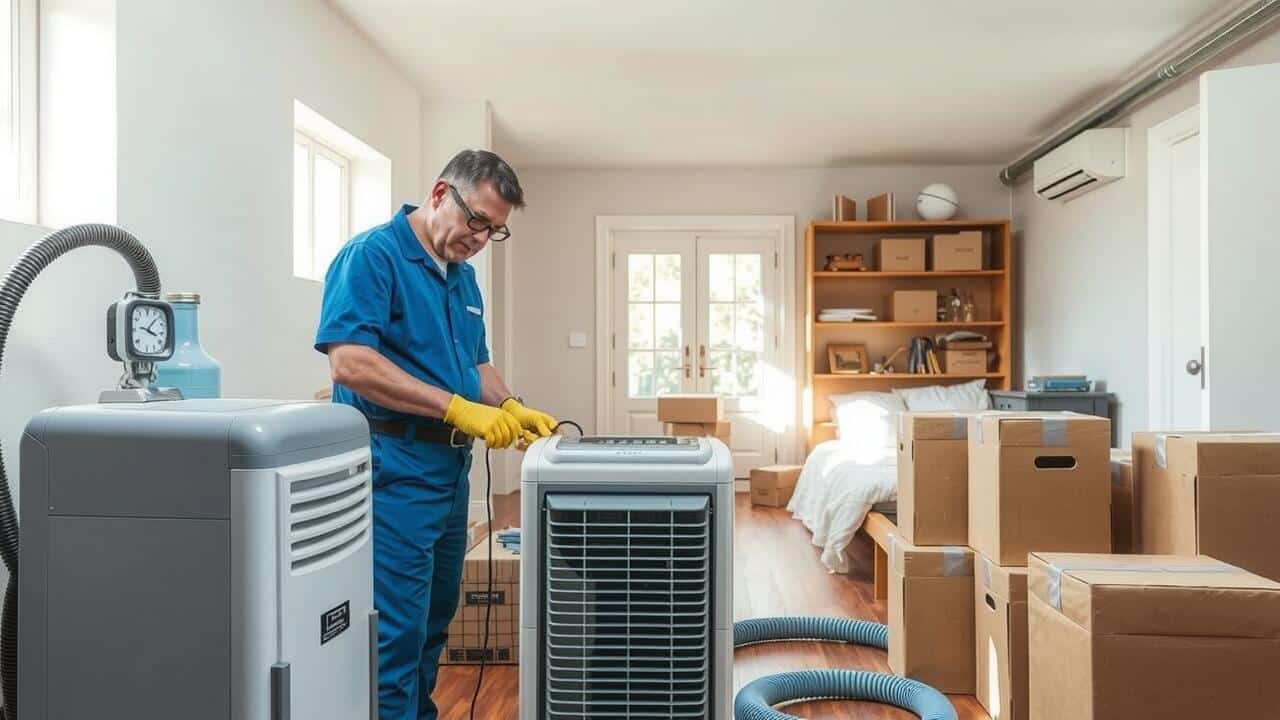
Table Of Contents
Signs That Your Air Conditioner is Not Dehumidifying Properly
High humidity levels in a room can often signal that your air conditioning system is not effectively handling dehumidification in your home. You may notice a damp or musty smell lingering in the air. Walls, ceilings, and even furniture can develop mold or mildew, leading to potential health risks and damage to your property. Other signs include condensation on windows or a persistent feeling of stickiness in the air, indicating that the system might not be keeping up with the moisture levels.
Another clue that your air conditioner is struggling with dehumidification in your space is an increase in energy bills. When the system works overtime to maintain the desired temperature without adequately removing humidity, it consumes more energy. Additionally, check if the air conditioning unit is blowing warm air or if the evaporator coils are icy, as these can further point to a dehumidification issue. Regular maintenance is crucial for keeping the system functioning efficiently and ensuring a comfortable indoor environment.
Indicators of Excess Humidity in Your Space
Excess humidity in a space can lead to several noticeable indicators that may suggest a need for better dehumidification in your air conditioning system. One common sign is the presence of condensation on windows and walls. This moisture buildup creates an environment conducive to mold and mildew growth. Additionally, you might notice a damp or musty odor lingering in rooms, which can emanate from fabrics, carpets, or walls that have absorbed excess moisture.
Another indicator is the increased difficulty in maintaining a comfortable temperature. High humidity levels can make the air feel warmer than it is, leading to overworking your air conditioning unit to cool the space. Furthermore, you may observe water stains on ceilings or walls, which often signal previous moisture issues. Pay attention to these signs, as they highlight the importance of effective dehumidification in maintaining a healthy and comfortable indoor environment.
Common Myths About Dehumidification
Many misconceptions surround dehumidification in air conditioning systems. One prevalent myth is that simply lowering the temperature in a space will effectively reduce humidity levels. In reality, cooling a room can sometimes lead to increased humidity if the air conditioner is not operating efficiently. The cooling process does help remove some moisture from the air, but it is not always sufficient for managing high humidity, especially in humid climates.
Another common belief is that dehumidification in air conditioning is only necessary in warmer months. However, high humidity can persist even during cooler seasons. This can lead to mold growth and other issues. Recognizing the need for effective moisture control throughout the year is essential for maintaining indoor air quality and comfort. Proper dehumidification plays a critical role no matter the season.
Debunking Misconceptions in HVAC
Many misconceptions surround the topic of dehumidification in HVAC systems. A common belief is that dehumidification solely relies on air conditioning units for humidity control. While air conditioners do have a dehumidifying effect, they are not the only solution. Dedicated dehumidifiers can effectively manage humidity levels, especially in spaces where air conditioning is not practical or efficient.
Another widespread myth is that higher humidity means lower energy efficiency. Some think that running the air conditioner at a lower temperature will automatically reduce humidity more effectively. However, this approach can lead to increased energy consumption without significantly improving dehumidification in the space. Properly maintaining systems and understanding their capabilities can enhance efficiency and comfort, debunking the notion that lower temperatures are always the answer.
Energy Efficiency and Dehumidification
Proper dehumidification in an air conditioning system contributes significantly to energy efficiency. When humidity levels in a space are high, air conditioning units must work harder to cool the air. This increased workload leads to higher energy consumption. By maintaining optimal humidity levels, the system can effectively cool the space without exerting excessive energy. This not only enhances comfort but also extends the lifespan of the air conditioning unit.
Additionally, dehumidification in residential and commercial settings can lead to lower utility bills. When air is less humid, individuals often feel cooler at higher temperatures. This allows for setting the thermostat at a higher temperature without sacrificing comfort. Consequently, energy savings can be realized through reduced cooling demands, making it an economical choice for homeowners and businesses. Proper dehumidification practices promote an efficient and cost-effective environment.
How Proper Dehumidification Can Reduce Utility Bills
Proper dehumidification in air conditioning systems plays a significant role in enhancing energy efficiency. When the humidity levels in a space are adequately managed, the air conditioner does not have to work as hard to maintain the desired temperature. High humidity can make the air feel warmer, prompting the air conditioning unit to run longer cycles. By effectively reducing moisture in the air, dehumidification in your system allows the thermostat to achieve comfort levels without excessive energy consumption.
In addition to lowering energy expenditure, proper dehumidification in air conditioning can help prolong the lifespan of the cooling equipment. When humidity levels are controlled, there is less strain on the compressor and other crucial components. This not only reduces the likelihood of costly repairs but also minimizes the frequency of maintenance needed. As a result, homeowners can enjoy a more efficient system that ultimately contributes to lower utility bills while ensuring a comfortable indoor environment.
FAQS
What is dehumidification in air conditioning?
Dehumidification in air conditioning refers to the process of removing excess moisture from the air, making the indoor environment more comfortable and preventing issues related to high humidity, such as mold growth and musty odors.
How can I tell if my air conditioner is not dehumidifying properly?
Signs that your air conditioner is not dehumidifying properly include increased humidity levels, condensation on windows, damp spots on walls or ceilings, and a musty smell in your home.
Are there any common myths about dehumidification in air conditioning?
Yes, some common myths include the belief that air conditioning units alone can completely eliminate humidity and that running an air conditioner on a low setting will suffice for dehumidification. In reality, proper dehumidification may require specific settings or additional equipment.
How does proper dehumidification lead to energy efficiency?
Proper dehumidification helps air conditioners operate more efficiently by reducing the workload on the system. When humidity levels are controlled, the air conditioner doesn’t have to work as hard to cool the air, leading to lower energy consumption and reduced utility bills.
What are some ways to improve dehumidification in my space?
To improve dehumidification, you can ensure your air conditioning system is properly maintained, use a dehumidifier in conjunction with your AC, seal any leaks in your home, and use exhaust fans in areas like kitchens and bathrooms to reduce moisture.
Related Links
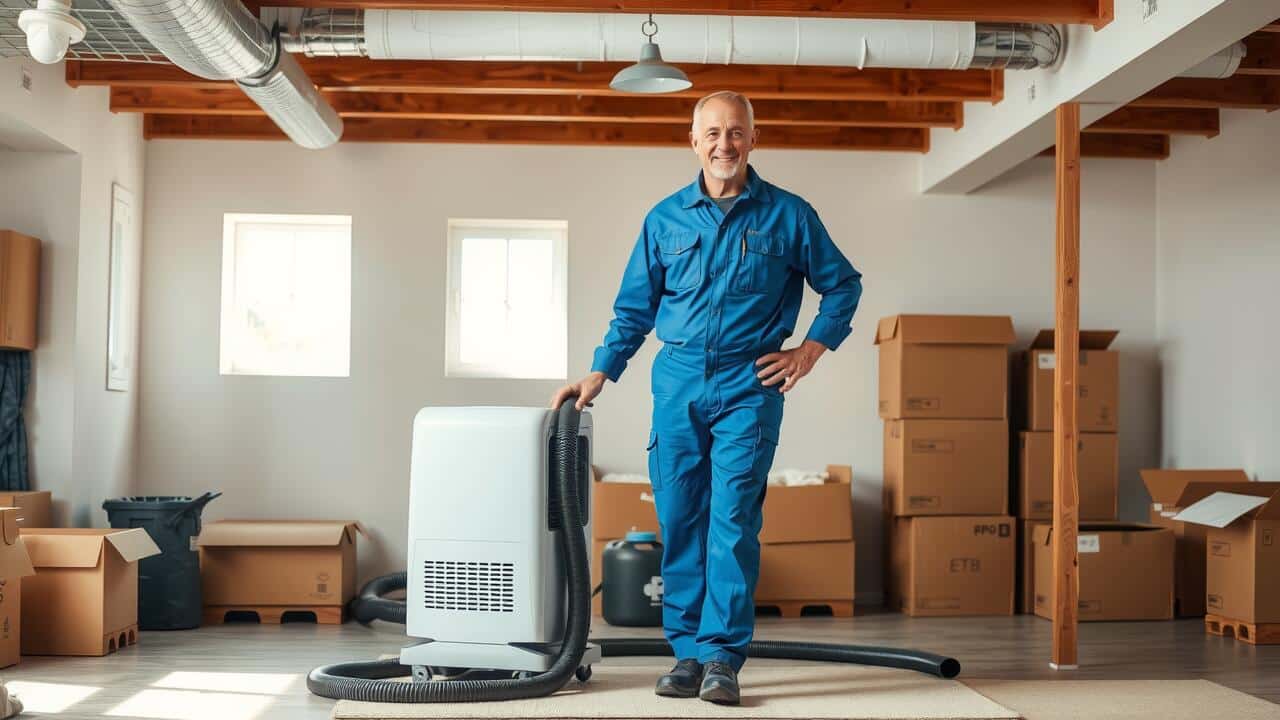

Table Of Contents
Maintenance Expenses After Installation
Maintaining a basement drainage system is essential for its longevity and functionality. After the initial installation, homeowners can expect to incur some routine maintenance expenses. Regular inspections, often suggested at least once a year, can help identify potential issues before they escalate. These inspections might include checking the sump pump for proper operation, ensuring drain lines are clear, and testing backflow valves. In addition, cleaning or replacing filters will be part of the maintenance routine, contributing to overall system efficiency.
The overall cost of maintenance can vary based on the complexity of the drainage system and the local service rates. For instance, homeowners who opted for Basement Drainage System Installation in urban areas may find their maintenance costs to be higher compared to those in rural regions. Seasonal factors can also influence the frequency and extent of maintenance required. With heavy rainfall or melting snow, for example, more frequent checks may be necessary to ensure everything is functioning correctly.
Routine Maintenance Costs
Routine maintenance is vital for ensuring that a basement drainage system operates effectively over time. Homeowners should anticipate regular check-ups which may include inspecting sump pumps, cleaning gutters, and clearing any debris from drainage pathways. These maintenance tasks can lead to modest expenses, with small annual costs accumulating to larger totals if not addressed promptly. Typically, homeowners may spend anywhere from $100 to $300 annually on routine maintenance, depending on system complexity and site-specific needs.
The costs associated with routine maintenance can vary based on the size and design of the basement drainage system. For those who opted for Basement Drainage System Installation in a larger space, expenses may rise due to increased complexity in managing water flow and drainage. Additionally, the need for professional assistance can elevate costs significantly, particularly if the drainage system requires specialized knowledge for effective upkeep. Regular maintenance not only prevents costly repairs but also extends the lifespan of the entire system, making it a wise investment for homeowners.
Geographic Variations in Pricing
Geographic variations significantly affect the cost of basement drainage system installation in different areas across the country. Local labor rates, material costs, and regional regulations contribute to these differences. Urban locations often have higher costs due to increased demand and limited availability of skilled contractors. In contrast, rural regions may offer more affordable options, but seasonal factors can influence installation timelines and pricing.
Additionally, climate plays a crucial role in determining the type of drainage system required for effective performance. Areas with heavy rainfall or high groundwater levels may necessitate more elaborate drainage solutions, driving up costs. Homeowners must research local conditions and consult with professionals to ensure the right system is chosen for their specific geographic context.
Regional Cost Differences
Regional differences can significantly influence the overall cost of a basement drainage system installation. In urban areas, where real estate prices and service demand are typically higher, homeowners may face increased expenses. Conversely, in rural or less populated regions, labor costs and material availability often result in lower installation fees. Each area has its own economic factors that can sway the budget required for effective basement waterproofing.
Additionally, environmental considerations specific to different regions play a role in the pricing. Areas prone to heavy rainfall or flooding may see higher installation costs due to the need for more robust systems and additional features to handle excess water. This variability highlights why understanding local conditions is vital when planning for basement drainage system installation in any particular location.
Impact of Home Size on Costs
The size of a home plays a significant role in determining the cost of a basement drainage system installation. Larger homes typically have greater square footage, which translates to more extensive drainage needs. The layout and complexity of the existing infrastructure also influence the amount of labor and materials required. A more extensive system may entail additional piping, sump pumps, or other features to effectively manage water flow.
For homeowners considering basement drainage system installation in a larger property, the costs can accumulate quickly. Not only does the size of the basement matter, but additional challenges such as the presence of obstacles, like existing plumbing or wiring, can further elevate expenses. Homeowners should factor in both the initial installation costs and any long-term maintenance that may be required as the system ages or as conditions change over time.
How Square Footage Affects Pricing
The size of a home plays a significant role in determining the overall costs associated with basement drainage system installation. Larger homes typically require more extensive drainage solutions to effectively manage water flow and prevent flooding. This leads to increased material and labor expenses, making the installation price correspondingly higher as the square footage increases.
Additionally, the complexity of the layout can further influence costs. Homes with more intricate designs may need specialized systems or additional labor to ensure proper installation. Factors such as the length of the foundation and accessibility can also impact pricing, making it crucial for homeowners to obtain estimates that reflect their specific home size and characteristics. For many, understanding these variables is key when considering a basement drainage system installation in their property.
FAQS
What is the average cost to install a basement drainage system?
The average cost to install a basement drainage system typically ranges from $2,000 to $6,000, depending on various factors such as the type of system, the size of the area, and regional pricing variations.
Are there additional maintenance expenses after installing a drainage system?
Yes, after installation, homeowners can expect routine maintenance costs which may range from $100 to $300 annually, depending on the type of system and any necessary repairs or upkeep.
How does home size affect the cost of a basement drainage system?
The size of the home significantly impacts the cost; larger homes generally require more extensive drainage systems, resulting in higher installation costs based on square footage.
Are there significant regional differences in the pricing of basement drainage systems?
Yes, regional cost differences can vary widely due to local labor rates, material costs, and demand for drainage solutions, so it’s important to get quotes specific to your area.
What factors should I consider when budgeting for a basement drainage installation?
When budgeting for a drainage system installation, consider factors such as the type of system, the size of the basement, potential additional features (like sump pumps), and ongoing maintenance costs.
Related Links

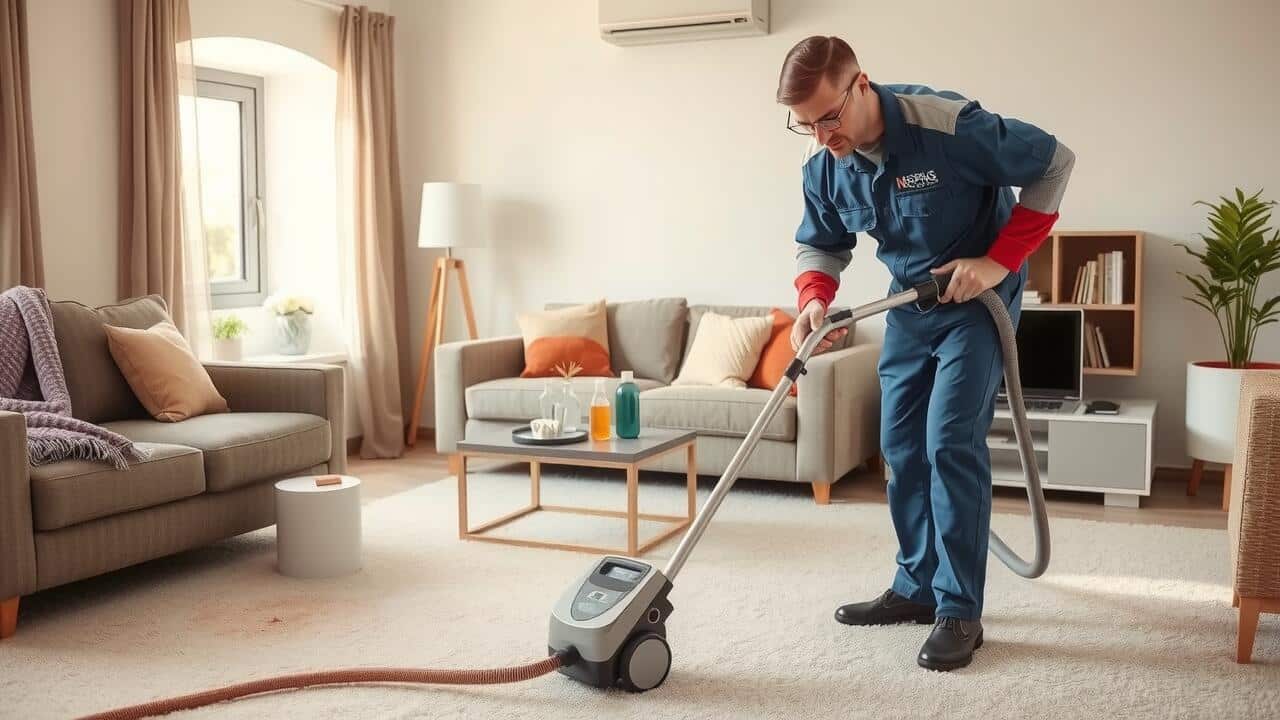
Table Of Contents
Geographic Location and Pricing Variability
The cost of carpet cleaning can vary significantly depending on geographic location. Areas with a higher cost of living typically see increased prices for cleaning services. In urban environments, demand for carpet cleaning often drives prices upward, reflecting the competitive market and the convenience that many residents seek. Conversely, rural areas may offer lower rates due to decreased competition and lower operational costs for service providers.
Carpet cleaning in different states can highlight these pricing discrepancies even further. For instance, major cities like New York or San Francisco may have rates double or even triple those found in smaller towns or less populated regions. Local markets, regional demand, and even seasonal fluctuations can all play a role in determining the overall cost, making it essential for consumers to research and compare prices in their specific area.
Urban vs. Rural Pricing Differences
Pricing for carpet cleaning services often varies significantly between urban and rural areas. In cities, the higher cost of living contributes to increased competition among service providers, which can raise rates. Urban carpet cleaning businesses also often have greater overhead due to rental costs and higher labor expenses compared to their rural counterparts. However, the convenience and accessibility of these services can sometimes justify the premium pricing for city dwellers.
Conversely, carpet cleaning in rural areas typically presents a more affordable option. With fewer service providers, prices can be lower due to less competition. Additionally, lower overhead costs associated with operating in these regions often allow companies to offer more competitive rates. Homeowners in rural settings may also have a variety of package deals available, further lessening the expense for cleaning services while still maintaining quality.
Additional Services and Their Impact on Cost
When considering the overall cost of carpet cleaning, additional services can significantly influence the final price. Many companies offer specialized options such as stain removal, deodorizing treatments, or applying protective coatings. These extras can enhance the effectiveness of the main cleaning service but often come at a premium. For example, if a homeowner chooses to include stain removal for tough spots, it may increase the overall expense of carpet cleaning in a residential setting.
The impact of these additional services varies based on the condition of the carpet and the specific requirements of the space. Homeowners seeking deep cleaning may opt for deodorizing treatments, especially if they have pets or frequent high foot traffic. Such services not only improve the aesthetic appeal but also contribute to a healthier indoor environment. Ultimately, when budgeting for carpet cleaning in different settings, it is essential to factor in these optional add-ons to get an accurate estimate.
Stain Removal and Deodorizing
Stains can be one of the most challenging aspects of carpet maintenance. Many professional carpet cleaning services offer specialized stain removal treatments that target specific types of spills, such as wine, coffee, or pet accidents. The effectiveness of these treatments often depends on the method used and the age of the stain. Services may vary in cost based on their expertise and the products utilized, which can significantly impact the overall price of your carpet cleaning in your area.
Deodorizing is another crucial service frequently bundled with stain removal. Homes with pets or high traffic often require additional deodorizing treatment for carpets to eliminate unwanted odors. This process may involve using specific chemical agents or natural solutions that neutralize smells rather than just masking them. When considering pricing for carpet cleaning in your home, it’s important to account for any additional service that enhances the freshness and longevity of your carpets.
Size of the Carpet Area
The size of the carpet area plays a crucial role in determining the overall cost of cleaning services. Businesses typically calculate their prices based on square footage, so larger areas will naturally incur higher charges. For instance, cleaning a small bedroom may cost significantly less than cleaning a sprawling living room or open-concept space. Homeowners should measure their carpets to get accurate quotes from service providers, as this promotes transparency in the pricing process.
Carpet Cleaning in larger spaces can also require more time and resources, which may further influence pricing. Companies may charge fees for additional labor or the use of specialized equipment needed for expansive areas. Furthermore, the intricacies of the carpet’s layout, including hallways and staircases, can add to the complexity and cost of the cleaning process. As such, understanding the dimensions of the carpet area can help consumers budget more effectively for their cleaning needs.
Pricing Based on Square Footage
The cost of carpet cleaning often depends on the square footage of the area being treated. Many professional cleaners charge per square foot, making it essential to measure the space accurately before obtaining quotes. For instance, a small studio apartment may only require cleaning for a few hundred square feet, while larger homes or commercial spaces can involve significantly more. This pricing model helps to ensure that customers pay a fair rate relative to the amount of carpet being cleaned.
In densely populated areas, Carpet Cleaning in urban settings may have a higher cost per square foot compared to rural locations. Factors that influence this variation include local demand, overhead for businesses, and competition among service providers. It is not uncommon for customers to find promotional rates or special offers based on the size of the area needing cleaning, especially if multiple rooms are being serviced at the same time. Understanding the size of your carpeted area can help in budgeting for effective cleaning services.
FAQS
What factors can influence the cost of carpet cleaning?
Several factors can influence the cost of carpet cleaning, including geographic location, the size of the carpet area, additional services like stain removal or deodorizing, and whether you are in an urban or rural area.
How do urban and rural areas differ in carpet cleaning pricing?
Urban areas typically have higher pricing due to increased demand and higher living costs, while rural areas may offer more competitive rates due to lower overhead costs and less demand.
Are there extra charges for stain removal and deodorizing?
Yes, many carpet cleaning companies charge additional fees for specialized services such as stain removal and deodorizing, which can significantly increase the overall cost of cleaning.
How is the cost of carpet cleaning determined based on the size of the carpet?
The cost of carpet cleaning is often calculated based on square footage, with larger areas generally costing more. Most companies will provide an estimate based on the total area to be cleaned.
What is the average cost range for professional carpet cleaning?
The average cost for professional carpet cleaning can vary widely, typically ranging from $25 to $75 per room, or between $0.20 to $0.50 per square foot, depending on various factors such as location and services requested.
Related Links
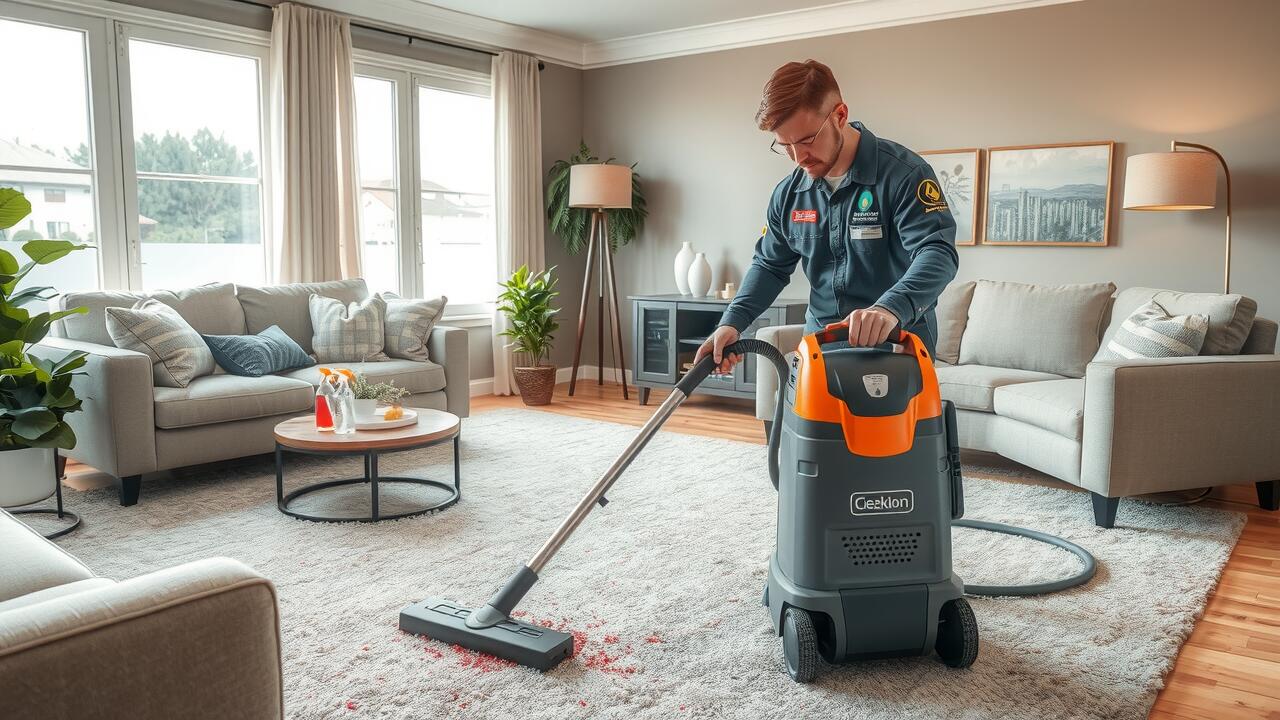
Table Of Contents
Clothing Choices
Choosing the right clothing can significantly impact body odor. Fabrics that wick moisture away from the skin, such as merino wool or synthetic blends, help keep sweat at bay. Avoiding cotton is essential since it tends to retain moisture, creating an environment for bacteria to thrive. Lightweight, breathable materials allow air circulation, reducing the buildup of odor.
Additionally, selecting garments made from antimicrobial fabrics can also reduce body odor effectively. These materials inhibit the growth of odor-causing bacteria, contributing to a fresher experience. When searching for solutions, adding “Odor Removal near me” can help find local retailers that offer suitable clothing options. Maintaining a balance between comfort and odor control is key to feeling confident throughout the day.
Fabrics That Help Minimize Odor
Choosing the right fabrics is essential for minimizing body odor. Natural fibers such as cotton, linen, and bamboo are breathable, allowing air to circulate and moisture to escape. These materials wick away sweat, reducing the chances of bacteria buildup that leads to unpleasant smells. Synthetic fabrics, on the other hand, tend to trap moisture against the skin, often exacerbating odor issues. Opting for clothing made from blends that incorporate moisture-wicking technologies can also be beneficial.
In addition to selecting the right fabrics, consider how often you wash your clothes. Even odor-resistant fabrics can retain smells if not cleaned regularly. The use of detergent designed for odor removal can help keep your garments fresh. For those struggling with persistent issues, seeking professional solutions by searching “Odor Removal near me” may provide additional support for keeping clothes smelling clean.
Staying Hydrated
Staying hydrated is crucial for overall health and can significantly impact body odor. When the body is well-hydrated, sweat becomes less concentrated with odor-causing substances. Drinking sufficient water helps flush out toxins from the body, reducing the likelihood of unpleasant smells. Choosing water as your primary beverage, especially over sugary or caffeinated drinks, supports the natural detoxification process.
Additionally, if you’re looking for quick solutions, consider searching for “Odor Removal near me.” Local services might offer products designed to neutralize or eliminate body odor effectively. Incorporating proper hydration into your daily routine can be complemented with these targeted approaches, ensuring a fresher experience throughout the day.
The Role of Water in Body Odor
Water plays a crucial role in regulating body temperature and flushing out toxins from the body. When well-hydrated, the body can more effectively manage sweat production, which is a key contributor to body odor. Staying hydrated helps dilute the substances that can create an unpleasant smell when they interact with bacteria on the skin’s surface. Additionally, drinking sufficient water can improve overall skin health, reducing the chances of odor accumulation.
When searching for effective strategies to combat body odor, it’s essential to consider hydration as a primary aspect of personal care. While various products and treatments may promise quick fixes, maintaining proper hydration is a fundamental approach to odor control. For those seeking immediate solutions, inquiries about “Odor Removal near me” can lead to local services specializing in personalized recommendations and treatments that complement hydration efforts.
Stress Management Techniques
Stress can significantly impact body odor due to the release of sweat from apocrine glands under stress, which is different from the sweat produced during physical activity. This type of sweat contains more proteins and lipids, which can lead to increased bacterial growth, resulting in a stronger odor. Managing stress is essential for minimizing this effect. Implementing relaxation techniques such as deep breathing, yoga, or meditation can help reduce the stress response, thereby diminishing sweat production.
In addition to relaxation techniques, lifestyle adjustments can aid in managing stress. Regular exercise is a natural way to relieve stress while promoting overall well-being. Maintaining a balanced diet and getting enough sleep also contribute to effective stress management. When searching for solutions to body odor issues, consider looking for “Odor Removal near me” to find local services that can help tackle the problem, but addressing stress is an important first step.
How Stress Influences Body Odor
Stress has a significant impact on body odor due to its effect on the endocrine system. When an individual experiences stress, the body releases stress hormones such as cortisol and adrenaline. These hormones trigger sweat glands, particularly the apocrine glands, which are more concentrated in areas like the armpits and groin. The sweat produced by these glands is thicker and contains fatty acids and proteins, which can lead to more intense odors when broken down by bacteria on the skin.
Managing stress effectively can play a crucial role in reducing body odor. Techniques such as deep breathing, regular exercise, and mindfulness practices can help lower stress levels and their physiological effects. If someone finds that stress-related body odor persists despite applying these techniques, seeking professional help or exploring options like “Odor Removal near me” can provide additional relief and guidance on dealing with this concern.
FAQS
What are the best clothing choices to reduce body odor?
Opt for breathable fabrics like cotton, linen, and moisture-wicking materials, as they allow sweat to evaporate more easily and reduce odor.
How does staying hydrated help with body odor?
Staying hydrated helps dilute sweat and can reduce the concentration of odor-causing substances in your body, leading to less intense body odor.
Can stress really affect body odor?
Yes, stress activates sweat glands, particularly those that produce odor-causing sweat, which can lead to an increase in body odor.
What fabrics should I avoid to minimize body odor?
Avoid synthetic fabrics like polyester and nylon, as they can trap moisture and heat, creating an environment for bacteria that lead to body odor.
What quick tips can I use to eliminate body odor when I’m short on time?
Apply antiperspirant or deodorant, change into fresh clothes, and use body wipes or a quick rinse with water to refresh yourself.
Related Links
Table Of Contents
Common Sanitization Agents
Sanitization agents are essential for effective cleaning and maintaining health standards in various environments. Common agents include quaternary ammonium compounds, alcohols, and chlorine-based products. These substances have unique properties that allow them to eliminate harmful pathogens while being safe for everyday use. Users often seek guidance on suitable products for specific settings, which has led to a rise in searches for “sanitization near me” to find locally available options.
Choosing the right sanitization agent depends on the surface being treated and the type of contaminants present. For instance, quaternary ammonium compounds are often preferred for non-porous surfaces. Alcohol-based sanitizers are effective for hand hygiene, providing rapid action against bacteria and viruses. Understanding these agents’ characteristics helps individuals make informed choices that align with their sanitization needs and ensures thorough cleansing in various settings.
Overview of Chemical Products
Various chemical products are employed in the sanitization process, each designed to target specific pathogens and surfaces. Alcohol-based solutions are commonly used due to their effectiveness in reducing bacteria and viruses on hard, non-porous surfaces. Quaternary ammonium compounds, often referred to as quats, are also popular sanitizers, particularly in food service environments, as they present a low toxicity risk while providing broad-spectrum antimicrobial activity.
Hydrogen peroxide is another effective agent, notable for its ability to safely break down into water and oxygen after use, leaving no harmful residues. Many household cleaners also incorporate sanitizing components, catering to consumers looking for effective solutions to implement at home. For those seeking professional-grade options, consulting local suppliers for “sanitization near me” can yield a variety of suitable products tailored to specific needs.
Sanitization Best Practices
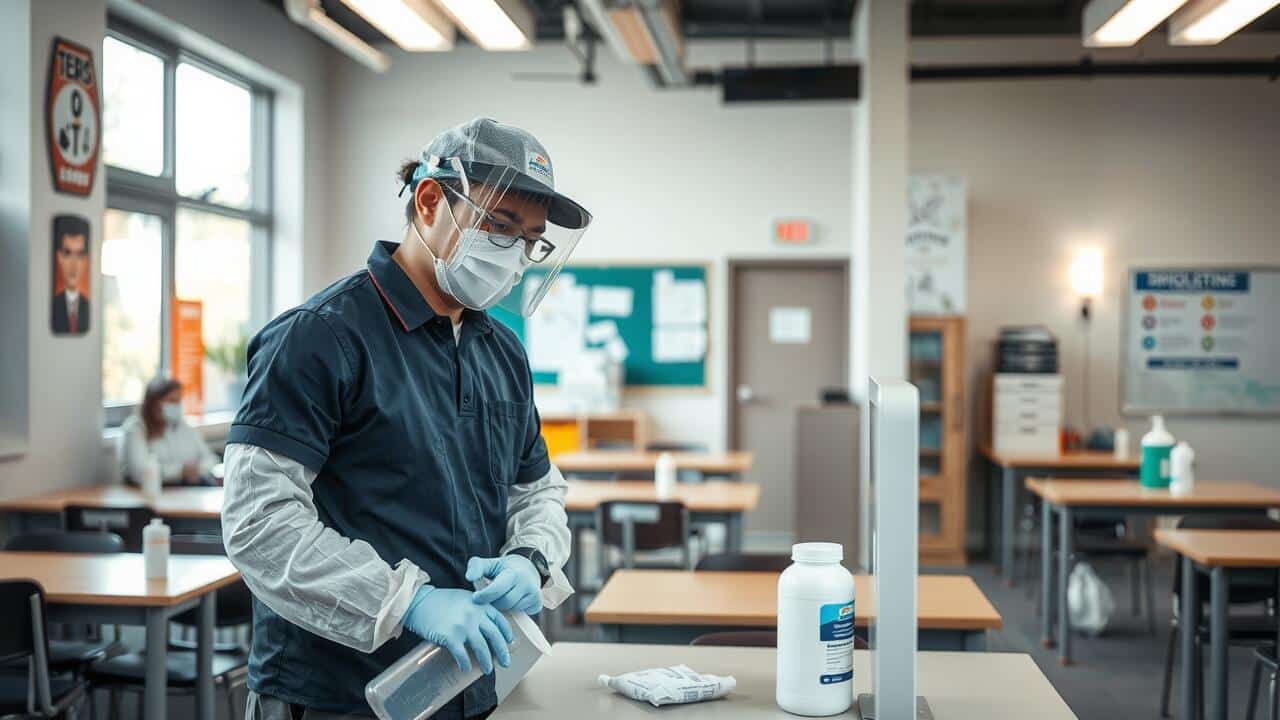
Effective sanitization is critical in maintaining a clean environment, whether it’s in homes, schools, or workplaces. To ensure the best results, one should start by thoroughly cleaning surfaces to remove dirt and debris. Using appropriate sanitization agents is vital, with high-touch areas like doorknobs, light switches, and countertops requiring particular attention. Regularly incorporating sanitization into cleaning routines can help minimize the spread of germs and maintain a healthier atmosphere.
For those seeking professional help, searching for “sanitization near me” can connect individuals with local services that specialize in thorough sanitization processes. These professionals often follow industry standards and guidelines, ensuring that the sanitization methods used are both effective and safe. Additionally, it’s important to verify that any service provider follows recommended practices to achieve optimal sanitization in various settings.
Guidelines for Effective Execution
To ensure effective execution of sanitization processes, it is essential to prioritize thorough planning and preparation. This includes identifying high-touch surfaces that require frequent attention and selecting appropriate sanitization agents based on the specific environment and materials involved. Incorporating personal protective equipment (PPE) can enhance safety and efficacy during the process. Proper training for staff members is crucial, as it fosters a clear understanding of the procedures and expected outcomes.
Regularly reviewing and updating sanitization protocols can also improve overall effectiveness. It’s beneficial to seek out local resources and information, such as “Sanitization near me,” to find services that align with best practices in the area. Using a systematic approach helps maintain consistency and ensures that each sanitization effort meets hygiene standards. Consistency in execution leads to better results and increased confidence in the safety of any given environment.
Differences Between Sanitization and Disinfection
Sanitization and disinfection serve distinct purposes in the realm of cleaning and health safety. Sanitization reduces the number of germs on surfaces to levels considered safe by public health standards. It aims to lower the microbial load to a manageable level, making spaces generally hygienic. Disinfection, on the other hand, involves the use of chemicals to eliminate or inactivate the majority of pathogens on surfaces. This process is more aggressive and is often recommended for environments that require higher levels of cleanliness, such as hospitals or kitchens.
The choice between sanitization and disinfection depends on the specific needs of a situation. For general cleaning in residential areas, sanitization might be sufficient to maintain a healthy environment. In contrast, high-risk areas necessitate rigorous disinfection to ensure safety. Individuals searching for effective methods can look for “sanitization near me” to find local services that cater to their cleaning needs, balancing both the effectiveness and safety standards required for their spaces.
Clarifying the Terminology
Understanding the terminology surrounding sanitization is vital for effective communication and implementation in various settings. Sanitization refers to the process of reducing the number of microorganisms on surfaces to a safe level, as determined by public health standards. This definition emphasizes the goal of making environments hygienic, particularly in places such as homes, restaurants, and healthcare facilities. While sanitization serves to lower the risk of illness by targeting bacteria and viruses, it is distinct from disinfection, which aims to eliminate all pathogens.
When searching for services that focus on maintaining hygiene, one might think of phrases like “sanitization near me.” This reflects a growing awareness and priority on health and safety within communities. Knowing the difference between sanitization and disinfection helps individuals and businesses select appropriate methods and agents based on their specific needs. Understanding these terms informs better choices about hygiene practices, ensuring that the right approaches are employed in various environments.
FAQS
What is the meaning of the sanitization process?
The sanitization process refers to the practice of cleaning and reducing the number of microorganisms on surfaces to a level considered safe by public health standards. This is typically achieved through the use of chemical agents or heat.
What are common sanitization agents used in the process?
Common sanitization agents include chemical products such as bleach, alcohol, hydrogen peroxide, and quaternary ammonium compounds. These agents are effective in killing or reducing harmful microorganisms on various surfaces.
How do sanitization and disinfection differ?
While both sanitization and disinfection aim to reduce harmful microorganisms, sanitization lowers the number of bacteria to safe levels, while disinfection kills a higher percentage of bacteria and viruses, often using stronger chemical agents.
What are some best practices for effective sanitization?
Best practices for effective sanitization include thoroughly cleaning surfaces before applying sanitizers, following the manufacturer’s instructions for contact time, using the appropriate concentration of the sanitizing agent, and ensuring proper ventilation during use.
Are there any specific guidelines for the execution of sanitization?
Yes, guidelines for effective execution of sanitization include selecting the right sanitization agent for the surface, ensuring the surface is clean and free of debris before sanitizing, and regularly monitoring and maintaining sanitization practices to ensure their effectiveness.
Related Links
Table Of Contents
The Role of Baking Soda in Odor Control
Baking soda is a powerful tool in the fight against unwanted smells. Its natural properties make it effective for odor removal in various environments, including kitchens, bathrooms, and even carpets. By neutralizing acids and bases, baking soda effectively absorbs odors rather than just masking them. This means it can tackle the source of the smell instead of temporarily covering it up.
In addition to its versatility, baking soda is safe for use around people and pets, offering an eco-friendly option for odor control. Sprinkling baking soda on surfaces or mixing it with water to create a paste can help target specific odor sources. Whether used in a refrigerator, sprinkled on carpets, or placed in laundry, baking soda proves to be a reliable ally in maintaining a fresh atmosphere in the home.
How to Use Baking Soda Effectively
Baking soda serves as a versatile solution for odor removal in various settings. To harness its power, you can sprinkle it liberally in areas prone to unpleasant smells. Allow it to sit for several hours or overnight, giving the baking soda time to absorb the odors. This method works well for carpets, upholstery, and even refrigerator interiors. After the designated time, simply vacuum or wipe away the residue to reveal a fresher environment.
For more targeted odor removal, consider creating a baking soda paste. Combine baking soda with a small amount of water to form a thick paste. Apply this mixture to specific areas or items that harbor strong odors, such as kitchen appliances or bathroom fixtures. Let the paste dry before wiping it clean. This approach not only eliminates odors but also allows for a thorough cleaning of the surfaces involved.
Using Essential Oils for a Pleasant Aroma
Essential oils serve as a natural alternative for those seeking pleasant aromas in their homes. These concentrated plant extracts not only provide delightful scents but also hold properties that can assist in odor removal. Commonly used essential oils like lavender, lemon, and eucalyptus can refresh indoor spaces and create an inviting atmosphere. Their aromatic characteristics can mask unpleasant smells while also working to neutralize them, making them a popular choice among those looking for a holistic approach to maintaining air quality.
Incorporating essential oils into daily routines is simple and effective. One common method involves using a diffuser to disperse the oils into the air. This technique allows for even distribution of the aroma, providing continuous odor removal throughout the day. Additionally, adding a few drops of essential oils to cleaning products can enhance the overall scent of your home while maximizing their odor-fighting capabilities. With various blends available, individuals can tailor their fragrance choices to suit their preferences and needs.
Top Essential Oils for Odor Neutralization
Essential oils serve as a natural solution for odor removal, offering both pleasant fragrances and effective neutralization of unwanted smells. Lavender, tea tree, and lemon oils are among the most popular choices for their strong yet soothing scents. Lavender not only masks odors but also promotes relaxation, making it ideal for bedrooms. Tea tree oil is known for its antibacterial properties, helping to eliminate musty smells often found in bathrooms. Lemon oil carries a fresh, uplifting aroma that can brighten spaces while actively fighting odors.
Other notable essential oils include eucalyptus and peppermint, both excellent for refreshing indoor air. Eucalyptus has a clean scent that can help with respiratory issues, making it desirable for use in living areas. Peppermint oil adds a revitalizing touch, perfect for kitchens and bathrooms where strong odors may linger. When used in diffusers or diluted with carriers, these oils can transform the atmosphere, effectively contributing to odor removal in various environments.
Commercial Products for Odor Removal
A variety of commercial products are available specifically designed for odor removal. These solutions often contain powerful chemicals and natural ingredients that target the source of unpleasant smells. Many people prefer aerosol sprays that provide immediate relief, while others opt for gels and solid air fresheners. The effectiveness of these products can depend on the environment, such as whether they are used in a small area or an open space.
When evaluating options for odor removal, it’s essential to consider factors such as scent duration, safety, and the specific odor to be eliminated. Some commercial products are formulated for particular odors, like pet or smoke odors, which can enhance their effectiveness. Reading reviews and checking ingredient lists can also help in selecting a product that aligns with personal preferences and any health considerations.
Evaluating the Most Effective Options
When evaluating commercial products for odor removal, it’s essential to consider the specific types of odors you need to combat. Many products target distinct sources of smells, such as pet odors, smoke, or mildew. Reading labels and checking for active ingredients can offer insights into their effectiveness. Formulas that contain enzymes or specialized odor-eliminating agents often provide stronger results compared to those that simply mask the odor.
Customer reviews can also play a significant role in determining which products work best. Feedback from users can highlight not just how effective an odor removal product is in real-world conditions but also any potential drawbacks, such as lingering fragrances or adverse reactions. Testing a few options may be a practical approach. Each environment is unique, and a solution that works well for one situation might not yield the same results in another context.
FAQS
What are some natural methods for removing odors?
Natural methods for removing odors include using baking soda, essential oils, vinegar, and activated charcoal. These substances can effectively neutralize odors without the use of harsh chemicals.
How does baking soda work to eliminate odors?
Baking soda acts as a natural deodorizer by absorbing moisture and neutralizing acidic odors. Its alkaline properties help to balance pH levels, making it effective in combating unpleasant smells.
Can I use essential oils to mask odors?
Yes, essential oils can be used to mask odors and provide a pleasant aroma. However, it’s important to choose oils known for their odor-neutralizing properties, such as lavender, lemon, or tea tree oil, for the best results.
Are commercial products for odor removal safe to use?
Many commercial odor removal products are safe to use when following the manufacturer’s instructions. However, it’s advisable to check for any potential allergens or harmful chemicals if you have sensitivities.
How can I effectively use baking soda to remove odors from my home?
To use baking soda effectively, sprinkle it on carpets or upholstery, let it sit for several hours or overnight, and then vacuum it up. You can also place an open container of baking soda in areas with persistent odors to absorb unwanted smells.
Related Links
Table Of Contents
Identifying Odor Sources
Identifying the sources of unpleasant odors is crucial for effective odor removal in any environment. Common offenders include food waste, pets, mold, and mildew. Understanding where these smells originate helps in choosing the right methods for elimination. Odors can linger in carpets, upholstery, or even hard surfaces, making it essential to inspect these areas thoroughly.
In households, kitchens and bathrooms often harbor the most stubborn scents. Garbage disposals, fridges, and sinks can trap food particles and moisture that lead to unwanted smells. In addition, musty clothes or damp basements contribute to an overall decline in air quality. By pinpointing these sources, odor removal in various spaces becomes a more focused and effective task.
Common Areas of Odor Buildup
Common areas of odor buildup include kitchens, bathrooms, and basements. In kitchens, food scraps and spills can create lingering smells. Bathrooms often harbor odors due to moisture, mildew, and personal care products. Basements can develop an earthy or musty scent from a lack of ventilation. Odor removal in these spaces requires identifying the source and addressing it promptly.
Another common area for odor buildup is in pet-friendly households. Pet bedding, litter boxes, and accidents can lead to unpleasant smells. Regular cleaning and maintaining proper hygiene are essential in these areas. Odor removal in homes with pets demands attention to detail, as these smells can become entrenched if not managed consistently.
Evaluating Product Safety
When assessing the safety of odor eliminators, it is crucial to look beyond their effectiveness. Many commercial products contain chemicals that may pose health risks, particularly in enclosed spaces. Always check for harsh ingredients that can irritate the respiratory system or skin. Reading labels will provide insight into potential allergens and toxic compounds. Odor removal in homes should prioritize safety, ensuring that any chosen product does not compromise indoor air quality or the well-being of inhabitants.
Eco-friendly and natural alternatives have gained popularity for their safety benefits. Options like plant-based enzymes and essential oils minimize health risks associated with synthetic chemicals. These products can effectively tackle odors while being less likely to trigger allergic reactions or respiratory issues. Conducting thorough research on these alternatives before deciding will guide consumers toward safer choices. Odor removal in spaces frequented by children and pets is especially crucial, underscoring the importance of safety in product selection.
Considerations for Indoor Air Quality
Indoor air quality is crucial for maintaining a healthy living environment. Poor air quality can lead to various health issues, including respiratory problems and allergies. When selecting odor elimination products, it is essential to consider their impact on indoor air quality. Many conventional air fresheners and chemical odor neutralizers can release volatile organic compounds (VOCs), which may contribute to air pollution within your home. Opting for products that are free from harsh chemicals will reduce the risk of compromising indoor air quality.
Odor removal in confined spaces, such as bathrooms or basements, requires particular attention. These areas often retain moisture, which can lead to the growth of mold and mildew, exacerbating unpleasant odors. Ventilation plays a key role in managing both odors and humidity levels. Incorporating natural solutions, such as baking soda or activated charcoal, can effectively address odors without harming indoor air quality. Awareness of the ingredients in odor-eliminating products and their effects on air quality will ensure a healthier atmosphere for all occupants.
DIY Odor Eliminator Recipes
Creating your own odor eliminators can be both effective and economical. Many household items serve as excellent bases for DIY recipes. For instance, vinegar is well-known for its ability to neutralize smells. A simple mixture of equal parts vinegar and water in a spray bottle can be used for quick odor removal in various rooms. This solution works best on surfaces like countertops, fabrics, and floors.
Another popular option is baking soda, which naturally absorbs odors without masking them. It can be sprinkled on carpets, left overnight, and vacuumed the next day for refreshing results. You can also create sachets filled with baking soda and essential oils to place in closets or drawers for continuous odor removal in smaller spaces. These homemade solutions not only help keep your home smelling fresh but also avoid the use of harsh chemicals found in commercial products.
Homemade Solutions Using Vinegar
Vinegar is a well-known household staple that serves multiple purposes beyond cooking. Its acetic acid content effectively neutralizes odors, making it an excellent choice for odor removal in various settings. For those looking to harness its power, a simple solution can be made by mixing equal parts of vinegar and water in a spray bottle. This mixture can be sprayed directly onto surfaces or in the air to eliminate unwanted smells, particularly in kitchens and bathrooms.
Another effective method involves soaking a bowl of vinegar and placing it in the area with persistent odors. The vinegar absorbs the unpleasant smells, allowing for a fresher environment. This technique is particularly useful in spaces with lingering food scents or pet odors. Using vinegar for odor removal in fabric can also be beneficial; just mix it with water and lightly spray fabrics to tackle smells absorbed over time.
FAQS
What is the strongest odor eliminator available on the market?
The strongest odor eliminator varies by individual preference and specific use cases, but some highly rated products include activated charcoal, ozone generators, and enzymatic cleaners that target specific odors.
How can I identify the source of persistent odors in my home?
To identify the source of persistent odors, check common areas such as kitchens, bathrooms, and basements. Look for dampness, mold, or hidden food spills, and consider using odor detection tools like UV lights to find pet stains or other hidden sources.
Are commercial odor eliminators safe for indoor use?
Many commercial odor eliminators are designed to be safe for indoor use, but it’s essential to read labels for safety information. Look for products with non-toxic ingredients, and consider those certified by organizations like EPA or GREENGUARD for indoor air quality.
Can homemade solutions effectively eliminate odors?
Yes, homemade solutions such as those using vinegar, baking soda, or essential oils can be effective in eliminating odors. They are often safer and more eco-friendly compared to commercial products, making them a popular choice for many households.
How do I maintain good indoor air quality while eliminating odors?
To maintain good indoor air quality while eliminating odors, ensure proper ventilation, use natural odor eliminators like plants, and regularly clean surfaces. Avoid products with harsh chemicals and opt for safer alternatives when possible.
Related Links
Table Of Contents
Impact of Sanitization on Public Health
Sanitization in public health plays a crucial role in preventing the spread of diseases and improving overall community well-being. Clean environments reduce the risks associated with harmful pathogens. By maintaining proper sanitization practices in schools, hospitals, and public spaces, communities can significantly lower transmission rates of various infectious diseases. Additionally, effective sanitization contributes to enhancing the quality of life, fostering healthier populations.
The impact of sanitization in public health extends beyond immediate disease prevention. It also fosters trust within communities as individuals feel safer in clean environments. Proper sanitization practices have been linked to decreases in healthcare costs and increased productivity. Furthermore, a commitment to sanitization creates a culture of health awareness, encouraging individuals to take personal responsibility in maintaining cleanliness both at home and in shared spaces.
Role in Controlling Infectious Diseases
Sanitization in healthcare settings plays a critical role in controlling infectious diseases. Rigorous cleaning protocols and the use of disinfectants are essential in hospitals and clinics where exposure to pathogens can lead to outbreaks. Regular sanitization of surfaces, instruments, and equipment prevents the transmission of infections among patients and healthcare workers. Effective sanitization measures reduce the likelihood of hospital-acquired infections, contributing to better patient outcomes and overall safety.
In community settings, sanitization in public spaces such as schools, restaurants, and offices significantly curtails the spread of infectious agents. By implementing regular cleaning schedules and promoting personal hygiene practices, communities can minimize the risk of disease transmission. Public awareness campaigns regarding sanitization can empower individuals to adopt healthier behaviors. This collective effort helps establish a safer environment, reducing the prevalence of contagious illnesses.
Sanitization in Daily Life
Sanitization in daily life plays a vital role in maintaining healthy environments. Regular cleaning and disinfecting of surfaces, especially in high-touch areas, significantly reduces the presence of harmful germs and bacteria. Common spaces such as kitchens, bathrooms, and public restrooms require attention to prevent the spread of illnesses. Establishing a routine that emphasizes sanitization can create a safer atmosphere for families and communities.
Additionally, personal hygiene practices also contribute to effective sanitization in homes. Handwashing with soap and water is an essential step in preventing the transmission of pathogens, particularly before meals and after returning from public places. Utilizing sanitizing products like wipes and sprays can complement these practices, ensuring that surfaces stay clean and safe. Incorporating these measures into daily habits helps promote overall well-being and fosters a culture of cleanliness.
Tips for Household Sanitization
Maintaining a clean home is essential for effective sanitization in daily life. Start by regularly cleaning surfaces that are frequently touched, such as doorknobs, light switches, and remote controls. Use disinfectants that are effective against a range of pathogens. Ensure that the products have the appropriate contact time to eliminate bacteria and viruses.
In addition to surface cleaning, focus on high-touch areas in your home. This includes kitchen countertops, bathroom sinks, and devices like smartphones. Keep sanitization in mind by using disposable wipes or a spray-and-wipe method to clean these areas. Remember to follow manufacturer instructions for both cleaning and sanitizing products to maximize their effectiveness.
Regulations and Standards for Sanitization
Sanitization in various sectors is often guided by strict regulations and standards aimed at ensuring public safety. Health organizations and government agencies set forth comprehensive guidelines that specify appropriate procedures, acceptable sanitizing agents, and frequency of sanitization tasks. Compliance with these standards is critical in environments such as hospitals, schools, and food establishments where the risk of contamination is high. Regular audits and inspections are conducted to ensure that these regulations are being followed, which helps maintain a safe environment for the public and employees alike.
Sanitization in industries also involves adhering to best practices outlined in various industry-specific guidelines. These documents provide detailed recommendations tailored to different sectors, including manufacturing, healthcare, and hospitality. They cover essential topics such as the effectiveness of various sanitizers, proper application techniques, and the importance of employee training. Organizations often need to stay up-to-date with evolving standards to enhance their sanitization efforts and minimize health risks associated with infectious diseases.
Overview of Industry Guidelines
Various industries have established guidelines to govern sanitization in order to ensure the safety and health of both consumers and workers. These guidelines often originate from health organizations such as the Centers for Disease Control and Prevention (CDC) and the World Health Organization (WHO). They provide a framework for best practices in sanitization, including frequency of cleaning, types of sanitizing agents, and specific protocols for different environments. Adherence to these standards helps prevent the spread of pathogens and enhances overall public health.
In addition to national regulations, many industries have implemented their own specific guidelines tailored to their unique processes. For example, the food service industry emphasizes sanitization in kitchens to avert contamination, while healthcare settings prioritize rigorous sanitization in patient areas. Regular training and audits are necessary to ensure that all staff are aware of these standards and competent in their implementation. Compliance with these guidelines not only protects individual health but also fosters community confidence in the services provided.
FAQS
What is sanitization?
Sanitization is the process of reducing the number of microorganisms on surfaces and objects to safe levels, as determined by public health standards. This process helps prevent the spread of infectious diseases and maintains a clean environment.
Why is sanitization important for public health?
Sanitization is crucial for public health as it helps control the spread of infectious diseases, reduces the risk of outbreaks, and creates a healthier living environment. Proper sanitization practices are essential in hospitals, schools, and homes to protect individuals from harmful pathogens.
What are some effective tips for household sanitization?
Effective tips for household sanitization include regularly cleaning and disinfecting high-touch surfaces, using appropriate sanitizing products, ensuring proper ventilation while cleaning, and following the manufacturer’s instructions for use to ensure maximum effectiveness.
Are there specific regulations for sanitization in industries?
Yes, various industries are subject to regulations and standards for sanitization. These guidelines, established by organizations such as the CDC and EPA, outline the necessary measures to maintain hygiene and prevent contamination in places like food service, healthcare, and hospitality.
How does sanitization differ from disinfection?
Sanitization refers to the process of reducing pathogens to safe levels, while disinfection involves using chemicals to kill a broader range of microorganisms. While both processes are important for hygiene, disinfection is typically a more extensive method used in situations requiring higher levels of pathogen control.