Category: Uncategorized
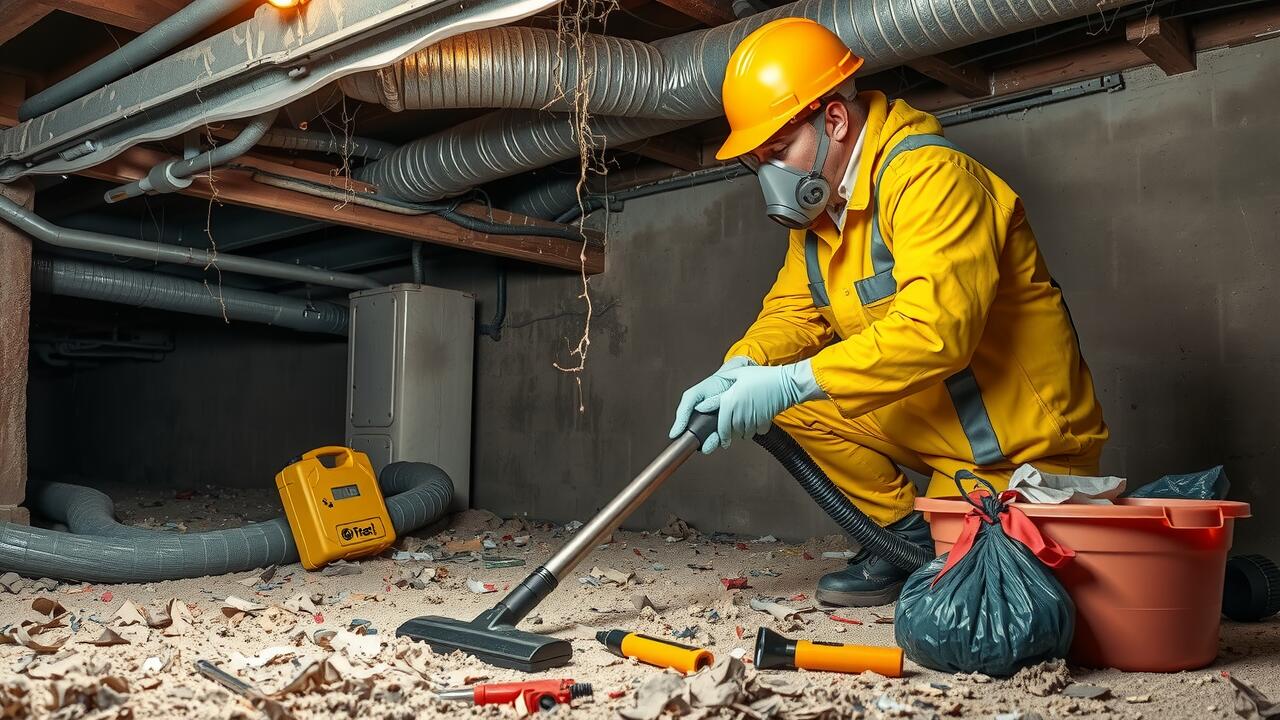
Table Of Contents
Signs Your Crawl Space Needs Attention
Crawl spaces can be easily overlooked, but several signs indicate they require immediate attention. A musty smell wafting up into your home often signals mold growth, which thrives in damp conditions. Visible water damage, such as pooled water or moisture stains on the walls, also points to potential plumbing issues or drainage problems that need addressing.
Another crucial indicator is the presence of pests. Termites, rodents, and insects are drawn to damp and dark environments, making your crawl space an ideal habitat for infestation. Observing excessive dust or cobwebs can also suggest stagnant air, which can hinder ventilation and worsen existing problems. Regular Crawlspace Cleanup in these areas can prevent significant damage and promote a healthier living environment.
Key Indicators to Look Out For
Certain signs can indicate that your crawl space requires immediate attention. Unpleasant odors often signify the presence of mold or mildew, which thrive in damp environments. Excessive humidity can lead to structural damage over time. Pests like rodents and insects are also common indicators of an unclean crawl space. Their presence can indicate that the area is a suitable habitat due to neglected conditions.
Inspect any visible structures and insulation in the crawl space. Discolored or damp insulation may suggest water intrusion or inadequate ventilation. Additionally, standing water or pooling around foundation walls is a critical issue. Regular crawlspace cleanup in affected areas can help prevent these problems from escalating. Noticing these indicators early can save homeowners from more extensive repairs down the line.
The Cleaning Process Explained
The first step in the cleaning process involves a thorough inspection of the crawl space. Look for signs of moisture, mold, and pest infestations. Remove any debris and damaged materials to create a clean working environment. This preliminary assessment helps identify specific issues that need addressing during the cleanup. Once the inspection is complete, it’s essential to ensure proper ventilation and moisture control to prevent future problems.
After completing the inspection, you can move on to actual cleaning. Vacuum the area using a heavy-duty wet/dry vacuum to remove dust, dirt, and any remaining debris. Consider using disinfectants or mold inhibitors on surfaces to address any existing mold growth. Proper disposal of contaminated materials is also crucial during Crawlspace Cleanup in homes. Maintaining a clean crawl space not only improves indoor air quality but also prevents structural damage over time.
Step-by-Step Crawl Space Cleaning
Cleaning a crawl space involves several key steps to ensure a thorough and effective process. Begin by clearing out any stored items, debris, or old insulation. Use a mask and gloves to protect yourself from dust and allergens. Once the area is clear, check for signs of moisture, mold, or pests. Identify any issues that may need addressing before proceeding further. Make sure to take note of areas that may require repairs or additional attention.
Next, perform a detailed cleaning of the space. This includes vacuuming the floors and walls to eliminate dust and dirt. If mold is present, use a suitable cleaner to treat the affected areas. After cleaning, consider applying a sealant to the walls and installing a vapor barrier to prevent moisture from seeping in. For those considering professional help, look for services offering Crawlspace Cleanup in your area to ensure the job is done correctly.
Preventative Measures to Avoid Future Issues
Regular maintenance is essential to prevent issues in your crawl space. Proper ventilation can significantly reduce humidity levels, thereby minimizing the risk of mold growth and pest infestation. Installing vapor barriers can be an effective way to control moisture from the ground. It is also worth considering the installation of sump pumps or dehumidifiers to further manage water ingress. Both of these measures help maintain a dry environment that discourages mold and decay, making crawlspace upkeep easier in the long run.
Crawlspace Cleanup in areas prone to flooding or heavy rain deserves special attention. Regular inspections should become a routine practice for homeowners, allowing for the early detection of potential problems. Trimming tree branches away from the foundation prevents water from pooling near the crawl space. Ensuring proper grading around the home directs water away from the structure, which also helps protect the crawl space. By implementing these preventative measures, homeowners can safeguard their crawl spaces against future issues and prolong the life of their homes.
Long-Term Solutions for Crawl Space Maintenance
To maintain a clean and healthy crawl space, routine inspections play a crucial role. Regularly checking for signs of moisture, mold, or pest infestations can help catch issues before they escalate. Homeowners should consider setting a schedule for these inspections, perhaps every six months, as changing seasons can bring different challenges. Additionally, ensuring proper ventilation can help regulate humidity levels, reducing the risk of mold growth significantly.
Implementing effective drainage systems is another long-term solution. Proper drainage channels can direct water away from the foundation, minimizing moisture intrusion. Investing in high-quality encapsulation materials can also serve to protect the crawl space from external elements. For those seeking professional assistance, services like Crawlspace Cleanup in your area can provide expertise and tailored solutions to maintain a dry, safe crawl space environment.
FAQS
Why is it important to clean a crawl space?
Cleaning a crawl space is important because it helps prevent mold growth, pest infestations, and structural damage to your home. A clean crawl space also improves indoor air quality and can contribute to better energy efficiency.
How often should I clean my crawl space?
It is recommended to inspect and clean your crawl space at least once a year. However, if you notice signs of moisture, pests, or other issues, you should address them immediately regardless of the schedule.
What are the signs that my crawl space needs cleaning?
Signs that your crawl space needs cleaning include musty odors, visible mold or mildew, excessive dust and dirt, signs of pests, and moisture buildup. If you notice any of these indicators, it may be time to clean your crawl space.
Can I clean my crawl space myself, or should I hire a professional?
While some homeowners may choose to clean their crawl space themselves, hiring a professional is often recommended, especially for extensive cleaning or if there are significant issues such as mold or pest infestations.
What preventative measures can I take to maintain a clean crawl space?
Preventative measures include ensuring proper ventilation, installing a vapor barrier, maintaining proper drainage around your home, and regularly inspecting for signs of moisture or pests. These steps can help keep your crawl space clean and dry in the long term.
Related Links
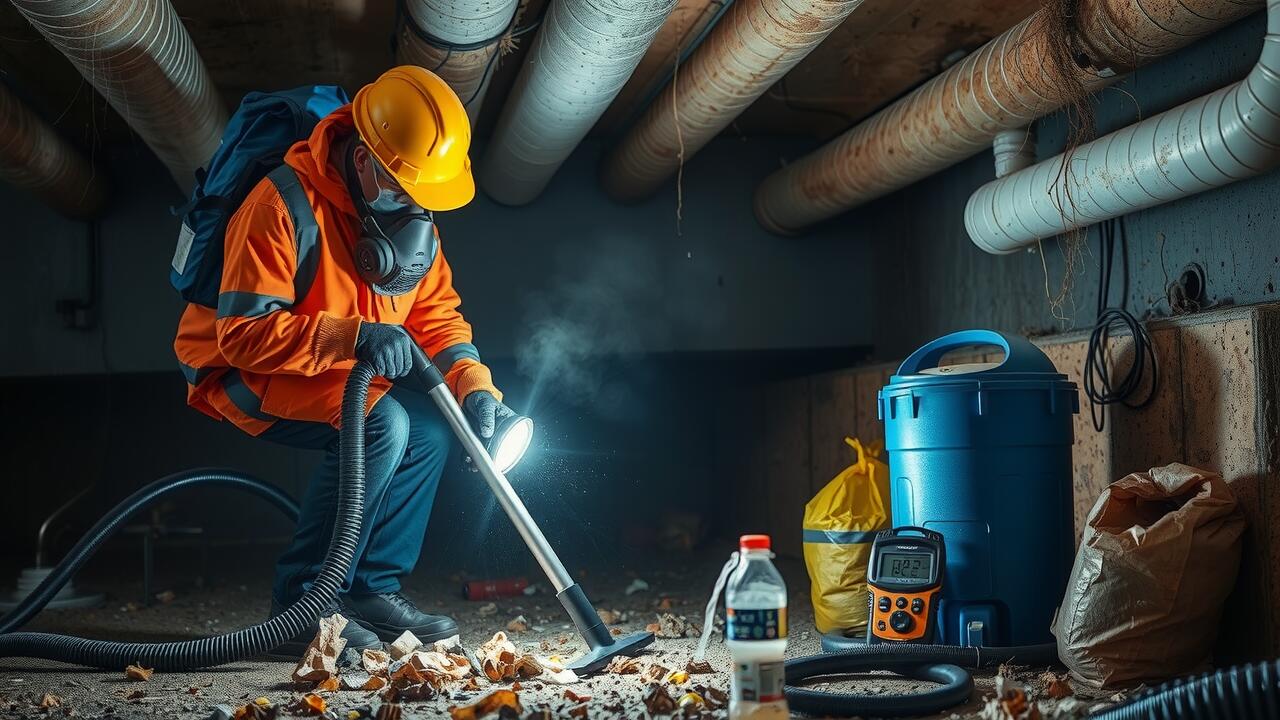
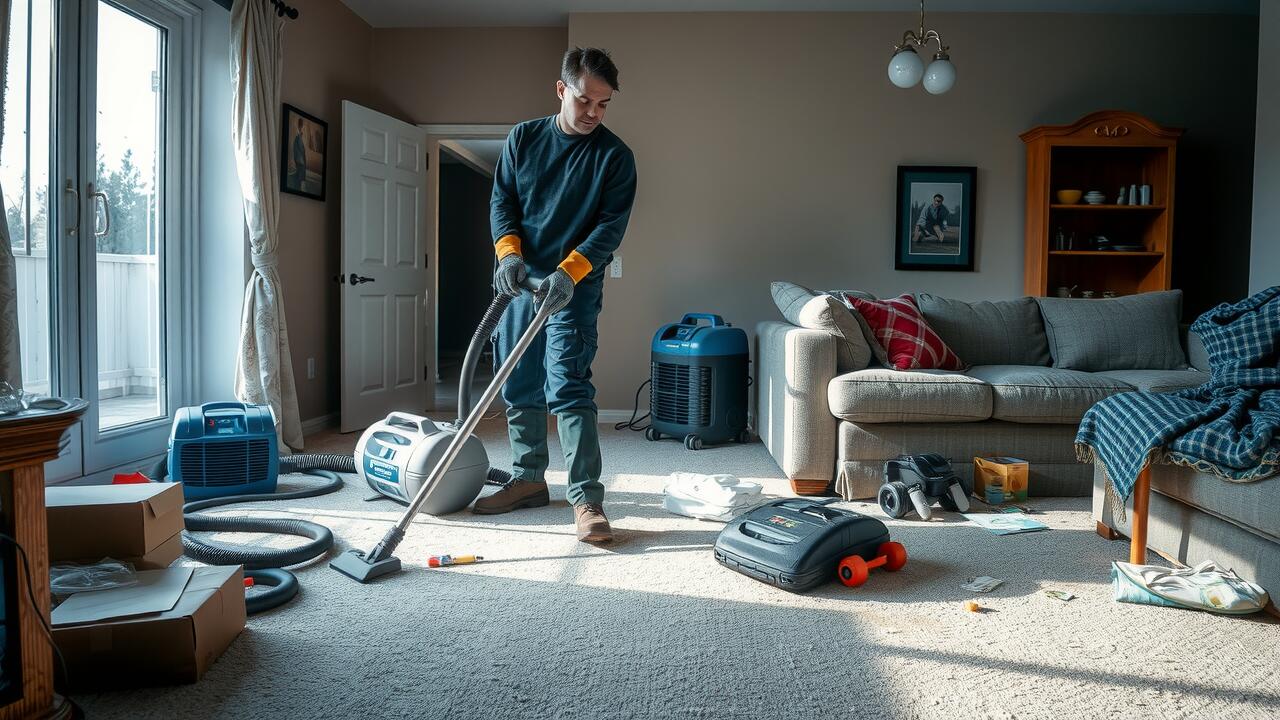
Table Of Contents
Cleaning and Disinfecting
Cleaning and disinfecting after water damage is a crucial step in restoring your space. Begin by removing any standing water. Use a wet/dry vacuum or towels to soak up excess moisture. Once the area is relatively dry, focus on cleaning surfaces with a mixture of water and detergent. Ensure you scrub all affected areas thoroughly to eliminate dirt and contaminants. This initial cleaning helps prepare the surfaces for the disinfecting phase.
After cleaning, it is vital to disinfect all surfaces that came into contact with water. Use a suitable disinfectant, ensuring it is effective against mold and mildew. Apply it according to the manufacturer’s instructions for proper efficacy. Water Damage Cleanup in a timely manner reduces the risk of mold growth and further damage. Pay attention to hidden areas like behind walls or under carpets, as these places often harbor moisture. Regular inspections will help maintain a sanitized environment.
Best Practices for Sanitizing Surfaces
When undertaking water damage cleanup in your home, it is crucial to sanitize all affected surfaces correctly. Start by removing any standing water with a pump or wet/dry vacuum, as this eliminates the primary source of contamination. Follow up by cleaning surfaces with a mixture of soap and water to remove dirt and debris. Afterward, apply a disinfectant that is suitable for the specific materials in your space. Ensure that the disinfectant has been approved for use against viruses and bacteria to effectively reduce the risk of illness.
Pay close attention to porous materials, like carpets and upholstery, as these can harbor mold and mildew. If any items are extensively damaged, consider professional cleaning services or replacement options. For non-porous surfaces, make sure to thoroughly rinse off any cleaning agents to avoid residue buildup. After sanitizing, allow the area to dry completely, as moisture can lead to further complications. This thorough approach is essential to ensure safe and effective water damage cleanup in any environment.
Salvaging Personal Belongings
When dealing with water damage cleanup in your home, salvaging personal belongings is a crucial step. Start by assessing items for damage as soon as it is safe to enter the affected area. Separate items into categories such as salvageable, damaged beyond repair, and those that need professional cleaning. Personal documents, photographs, and electronics often require special attention. If water has affected books or paperwork, freeze them to prevent further deterioration until you can properly dry and restore them.
In some cases, it may be possible to restore clothing, linens, and soft goods through washing or professional cleaning services. Be cautious with items that have absorbed a significant amount of water, as they may harbor mold or other contaminants. Proper evaluation and care during this process can significantly influence the recovery of your belongings. Remember that water damage cleanup in your home involves not only physical restoration but also emotional resilience as you work to rebuild and recover.
Evaluating Items for Restoration
When assessing personal belongings after water damage, it is essential to evaluate items carefully to determine their potential for restoration. Start by removing any items that are heavily soaked, as they are unlikely to recover. Look for materials that are resilient to water, such as metal, glass, and certain plastics, as these often withstand damage better than porous substances. For wooden items, check for warping or swelling, and for fabrics, inspect for mold or a significant change in color.
The decision to restore each item should be based on its value and the extent of the damage. Items with sentimental value might warrant professional cleaning and restoration, even if they have suffered considerable water exposure. Documenting each item’s condition during Water Damage Cleanup in will assist in reporting for insurance claims. For objects that may have taken on significant water, consulting with restoration experts could provide insight into their chances of recovery and the best approaches for cleaning.
Preventing Mold Growth
Preventing mold growth is essential after experiencing water damage. Mold spores thrive in damp environments, making it crucial to dry out affected areas promptly. Use fans and dehumidifiers to facilitate the drying process. Ensure that all surfaces, including walls, floors, and furniture, are completely dry. Regularly check hidden areas such as behind appliances and inside cabinets for moisture accumulation. Water Damage Cleanup in these spaces requires thorough inspection to eliminate any potential breeding grounds for mold.
Additionally, practicing good ventilation can significantly reduce the risk of mold growth. Keep windows open when weather permits to allow fresh air circulation. In areas prone to high humidity, consider installing exhaust fans, especially in bathrooms and kitchens. Regularly cleaning and maintaining gutters can prevent water from pooling around your foundation, leading to excess humidity indoors. Implementing these strategies during Water Damage Cleanup in your home creates a dry environment that deters mold from taking hold.
Tips for Maintaining Dry Conditions
Maintaining dry conditions after water damage is crucial to prevent further complications. A thorough inspection of all areas affected by moisture helps identify potential problems. Utilize dehumidifiers and fans to circulate air and reduce humidity levels. Regularly monitoring indoor humidity with a hygrometer assists in ensuring it stays below 50%, which can significantly reduce the risk of mold growth.
Proper ventilation can make a significant difference in keeping spaces dry. Opening windows and doors where possible promotes air exchange. It is essential to regularly check and clean gutters and downspouts to prevent water from pooling near foundations. In the context of water damage cleanup in residential areas, taking these proactive measures will help maintain a safe and dry environment.
FAQS
What should I do first after experiencing water damage?
The first step is to ensure your safety by turning off the electricity and water supply. Then, assess the extent of the damage and begin to remove any standing water if it is safe to do so.
How do I effectively clean and disinfect surfaces after water damage?
Use a mixture of water and a suitable disinfectant to clean surfaces. Make sure to follow the product instructions for proper dilution and application. Pay special attention to areas that have been in contact with contaminated water.
Can I salvage personal belongings after water damage?
Many items can be salvaged if cleaned and dried promptly. Evaluate each item for damage, and if necessary, consult professionals for restoration or clean-up of valuable possessions.
How can I prevent mold growth after water damage?
To prevent mold growth, ensure all affected areas are dried thoroughly within 24-48 hours. Use dehumidifiers, fans, and proper ventilation. Additionally, address any leaks or moisture issues immediately.
What are some tips for maintaining dry conditions after cleanup?
Keep humidity levels low by using dehumidifiers, ensure proper ventilation in your home, fix leaks promptly, and regularly inspect areas prone to moisture, such as basements and bathrooms.
Related Links
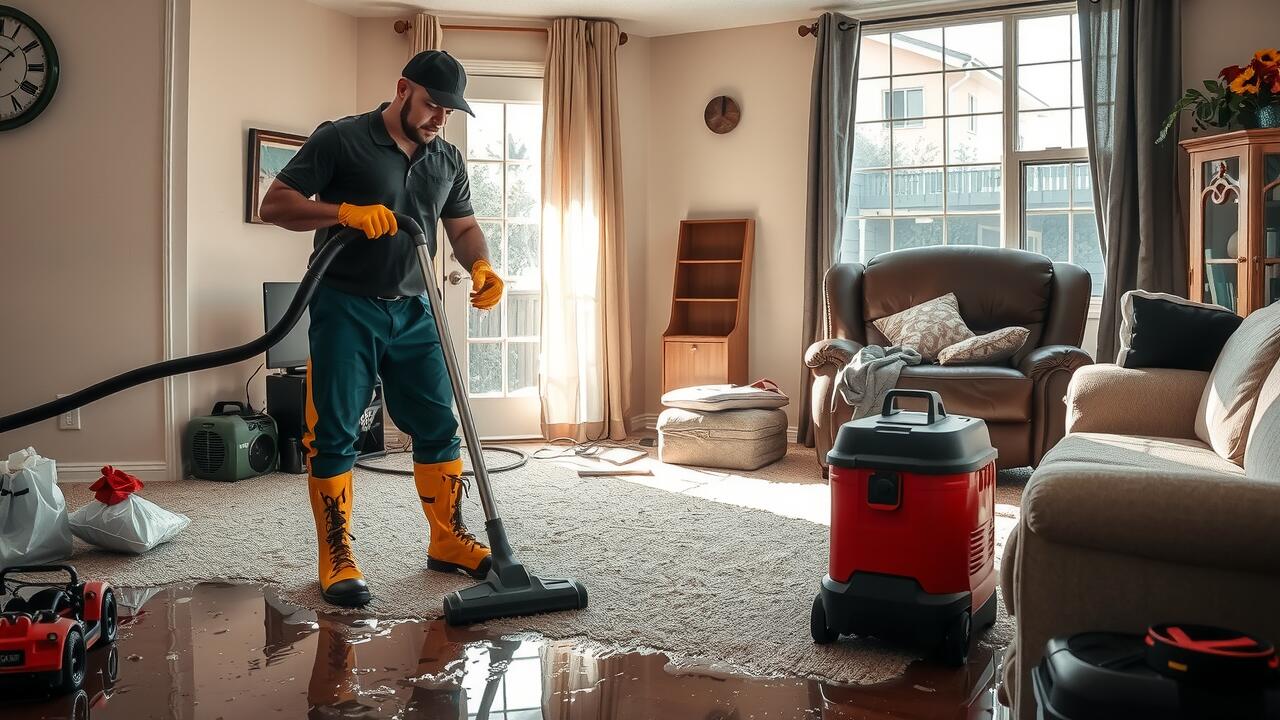

Table Of Contents
Long-Term Maintenance Strategies
Maintaining a dry crawl space is vital for the longevity of a home. Regular inspections can help homeowners identify any signs of moisture or damage. Checking for gaps in the foundation walls can prevent water intrusion. Proper drainage systems, such as gutters and downspouts, play a crucial role in redirecting water away from the home’s foundation. Homeowners may benefit from installing a vapor barrier to reduce humidity levels. Scheduling routine maintenance tasks can catch potential issues early, reducing the risk of extensive damage.
In case of significant water problems, seeking professional help is advisable. Many contractors specialize in flooded crawl space repair near me, ensuring localized expertise. When embarking on home repairs, considering the long-term implications is essential. Following a proactive maintenance plan can lead to savings over time. Establishing a relationship with a trusted contractor can make future repairs more manageable. Keeping documentation of repairs and inspections offers an additional layer of protection for homeowners.
Preventing Future Water Damage
Preventing future water damage starts with proper drainage around the home. Ensure gutters and downspouts direct water away from the foundation. Regularly check that drainage systems remain unclogged and function properly. Landscape techniques can also help redirect water away from your property. Adding slopes and utilizing rain gardens can significantly reduce water pooling near the foundation.
Another crucial step involves waterproofing your crawl space. This can be done by applying sealants and installing a vapor barrier. Monitoring humidity levels within the space is essential, as excessive moisture can lead to mold growth and structural damage. Homeowners should also consider consulting local professionals for assistance, searching online for “Flooded Crawlspace Repair near me” to find qualified contractors for comprehensive assessments and effective solutions.
Insurance Coverage for Repairs
Homeowners often wonder about insurance coverage when faced with the daunting task of repairing a wet crawl space. Standard homeowners insurance policies may provide some coverage for water damage, but specifics can vary significantly. Generally, this type of insurance covers plumbing issues and sudden leaks but may exclude flooding from heavy rains or external water sources. Understanding your policy’s details is crucial. Homeowners should also check if they have flood insurance, as this typically covers water damage from flooding, potentially reducing out-of-pocket expenses for repairs.
When searching for a specialist, many people use terms like “Flooded Crawlspace Repair near me” to find local professionals. This can lead to contractors who have experience with insurance claims, helping to navigate the process smoothly. Ideally, a reliable contractor will be familiar with various insurance policies and can assist in filing claims accurately. It’s essential to clarify the scope of insurance coverage and how it impacts repair costs before starting the work, ensuring that you understand your financial responsibilities as well.
What Policies Typically Include
Homeowners insurance policies often cover water damage under specific circumstances. Many standard policies will typically include coverage for damages caused by burst pipes, heavy rainfall, or other unforeseen incidents that do not stem from neglect. However, if the water damage is due to flooding, separate flood insurance may be necessary. It’s essential to read the fine print of any homeowner’s insurance policy to understand what scenarios are covered.
In some cases, additional riders can be added to a policy to expand coverage for water damage, including repair costs associated with a flooded crawlspace. Those seeking repair services can look for “Flooded Crawlspace Repair near me” to find local contractors. Ensuring that your policy aligns with potential risks in your area can provide better protection and peace of mind when facing water-related issues.
Finding a Reliable Contractor
When searching for a contractor to address issues in a wet crawl space, it’s important to prioritize reliability and experience. Seek out local experts who specialize in crawlspace repairs. Online reviews often provide insight into a contractor’s past performance. Inquire about their certifications and affiliations with professional organizations to ensure they meet industry standards. A reputable contractor will also offer a clear estimate and timeline for the project, helping you understand what to expect moving forward.
Utilizing internet searches can significantly ease the process of finding qualified professionals. A search for “Flooded Crawlspace Repair near me” will yield local specialists equipped to handle your situation. Comparing multiple contractors will allow you to gauge average pricing and service offerings. Don’t hesitate to ask for references or examples of previous work to ensure the contractor has a proven track record. An informed decision can lead to a successful repair and prevent future complications in your home.
Key Qualities to Look For
When searching for a reliable contractor for crawl space repairs, focus on their experience and expertise in handling wet crawl spaces. A seasoned contractor will have a track record of successfully managing similar issues in the past. You may want to check for certifications or credentials that demonstrate their qualifications in water damage restoration. Gathering reviews and testimonials from previous clients can provide insight into their professionalism and reliability.
Additionally, clear communication is vital when working with contractors. The ability to explain the repair process, potential challenges, and cost estimates transparently reflects their commitment to customer service. Consider asking for written proposals that outline the scope of work and anticipated timeline. Searching online for “Flooded Crawlspace Repair near me” can help identify local professionals who meet these criteria and ensure you receive quality service.
FAQS
What factors influence the cost of repairing a wet crawl space?
The cost of repairing a wet crawl space can be influenced by several factors, including the extent of the water damage, the size of the crawl space, the types of repairs needed, and the geographic location. Additional costs may arise from necessary preventive measures and long-term maintenance strategies.
How can I prevent my crawl space from getting wet in the first place?
Preventing future water damage in your crawl space can be achieved through proper grading around your home, maintaining gutters and downspouts, using sump pumps, installing vapor barriers, and ensuring proper ventilation.
Will my homeowner’s insurance cover the cost of repairing a wet crawl space?
Coverage for repairing a wet crawl space often depends on the specific terms of your homeowner’s insurance policy. Typically, policies may cover water damage caused by sudden incidents, but not damage resulting from lack of maintenance or flooding. It’s best to review your policy and consult with your insurance agent.
How do I find a reliable contractor for crawl space repairs?
To find a reliable contractor for crawl space repairs, consider looking for professionals with good reviews, proper licensing, and insurance. Ask for references, obtain multiple quotes, and check if they specialize in crawl space issues to ensure they have the necessary expertise.
What should I expect during the crawl space repair process?
During the crawl space repair process, you can expect an initial assessment of the damage, followed by the implementation of necessary repairs. This may include waterproofing, installing drainage systems, or replacing damaged insulation. The contractor should provide you with a clear timeline and outline the steps involved in the process.
Related Links
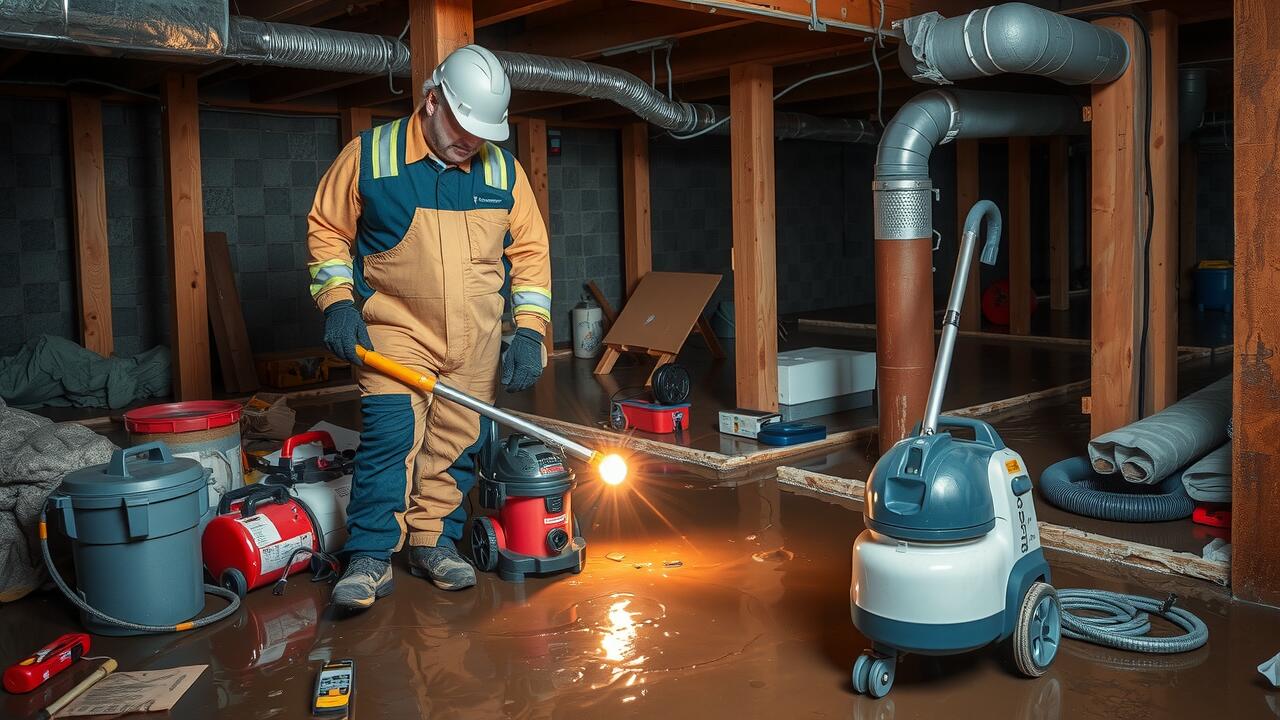
Table Of Contents
Preventing Mold Growth
Mold thrives in damp, humid environments, making it essential to take preventive measures after a flooded crawl space. First, ensure proper ventilation in the area by installing vents that allow for airflow. Keeping the crawl space dry is vital, so consider using dehumidifiers to control moisture levels. These devices help maintain an optimal humidity range and prevent mold spores from growing on surfaces. Regular inspections for any signs of mold can also help catch issues early before they escalate.
In addition to ventilation, utilizing mold-resistant materials during any repairs or renovations can significantly reduce the risk of future mold problems. When conducting Flooded Crawlspace Repair in your home, opt for products specifically designed to withstand moisture, such as mold-resistant insulation or paints. These specialized materials limit mold growth and enhance overall durability, providing lasting protection against water damage. Regular upkeep and immediate remediation of any water issues will reinforce these efforts, ensuring your crawl space remains mold-free.
Strategies to inhibit mold development
Mold thrives in damp environments, making it crucial to address any moisture issues in your crawl space promptly. One effective strategy is to implement a dehumidification system. This can help maintain optimal humidity levels, reducing the chances of mold growth. Regularly check for any visible leaks or condensation, as these can create breeding grounds for mold if left unchecked.
Additionally, using mold-resistant materials during renovations can contribute to long-term prevention. Mold-resistant paints and upgraded insulation can provide an added layer of protection. Scheduling regular inspections as part of your Flooded Crawlspace Repair in routine can help catch potential problems before they escalate. Keeping the area clean and free of organic debris also reduces the chances of mold finding the conditions it needs to flourish.
Addressing Drainage Issues
Addressing drainage issues in your yard is essential to prevent a flooded crawl space. Start by examining the grading around your home. The ground should slope away from the foundation to direct water away, minimizing the risk of accumulation. Make sure gutters and downspouts are clear of debris to allow proper water flow. Extending downspouts at least five to ten feet from the foundation can also significantly reduce water pooling around your home.
Another effective solution is installing a sump pump in the crawl space. This device can automatically remove excess water, greatly reducing the chances of flooding. Additionally, consider incorporating drainage systems, such as French drains, around your property to channel water away from your home. These steps not only help mitigate the risks of flooding but are also crucial for effective Flooded Crawlspace Repair in maintaining a dry and healthy environment.
Solutions for improving drainage around your property
Improving drainage around your property is essential for preventing water accumulation that can lead to issues such as flooding in crawl spaces. Start by assessing the grading of your yard. Proper grading should direct water away from the foundation. If the landscape slopes toward the home, consider reshaping the soil or adding fill dirt to create a slope that promotes drainage. Additionally, installing or maintaining gutters and downspouts can effectively channel rainwater away from the foundation, reducing the likelihood of a flooded crawl space.
Another effective solution involves implementing drainage systems such as French drains or sump pumps. A French drain consists of a trench filled with gravel and a perforated pipe that collects and redirects water away from vulnerable areas. Sump pumps are designed to remove water that accumulates in the crawl space, ensuring that any water intrusion is quickly dealt with. For those facing persistent issues, enlisting professional help for Flooded Crawlspace Repair in your area may offer tailored solutions to effectively manage water management challenges.
Insulating the Crawl Space
Proper insulation of a crawl space plays a crucial role in maintaining a dry and energy-efficient home. Insulation helps regulate temperature and can prevent condensation, which often leads to mold growth in moist environments. An adequately insulated crawl space can keep your home warmer in the winter and cooler in the summer, further enhancing comfort. Additionally, it can lead to reduced energy bills, as heating and cooling systems do not have to work as hard to compensate for temperature fluctuations.
When considering Flooded Crawlspace Repair in residential properties, it is essential to address insulation as part of the overall solution. Previous water damage can compromise existing insulation, making it less effective. Replacing or upgrading insulation materials can improve moisture resistance and provide long-term benefits. Using materials such as foam board or spray foam can create a more effective barrier against humidity while also improving energy efficiency.
Benefits of proper insulation
Proper insulation in a crawl space plays a pivotal role in regulating temperatures and maintaining structural integrity. It acts as a barrier to cold air in the winter and hot air in the summer, preventing extreme temperature fluctuations that can lead to condensation. This condensation is often a precursor to mold growth, which can severely impact indoor air quality and lead to health issues. With effective insulation, homeowners can create a more comfortable living environment while also protecting their home’s foundation from moisture-related damage.
Investing in insulation is particularly beneficial for those considering Flooded Crawlspace Repair in their homes. Insulated crawl spaces can help minimize the risk of water intrusion by keeping the space drier and reducing the chances of excessive humidity. Moreover, insulation can lower energy costs by improving the overall efficiency of heating and cooling systems. Overall, proper insulation not only addresses current challenges but also establishes a long-term solution for preventing future issues.
FAQS
What are the first steps I should take if my crawl space is flooded?
The first steps include turning off electricity to the area, removing any standing water with a pump or wet/dry vacuum, and assessing the situation for damage.
How can I prevent mold growth after my crawl space has flooded?
To prevent mold growth, ensure the area is thoroughly dried within 24 to 48 hours, use dehumidifiers, and consider applying mold-resistant treatments to surfaces.
What are some effective strategies to improve drainage around my property?
Effective strategies include installing gutters and downspouts to direct water away from the foundation, grading the landscape to slope away from the house, and using French drains to redirect water.
Why is insulating my crawl space important?
Insulating your crawl space helps regulate temperature, prevents moisture buildup, enhances energy efficiency, and protects plumbing from freezing, ultimately contributing to a healthier home environment.
Should I hire a professional for flood cleanup and repairs in my crawl space?
Yes, hiring a professional can ensure that the cleanup is done safely and thoroughly, especially if there is extensive water damage or mold growth, which can pose health risks.
Related Links
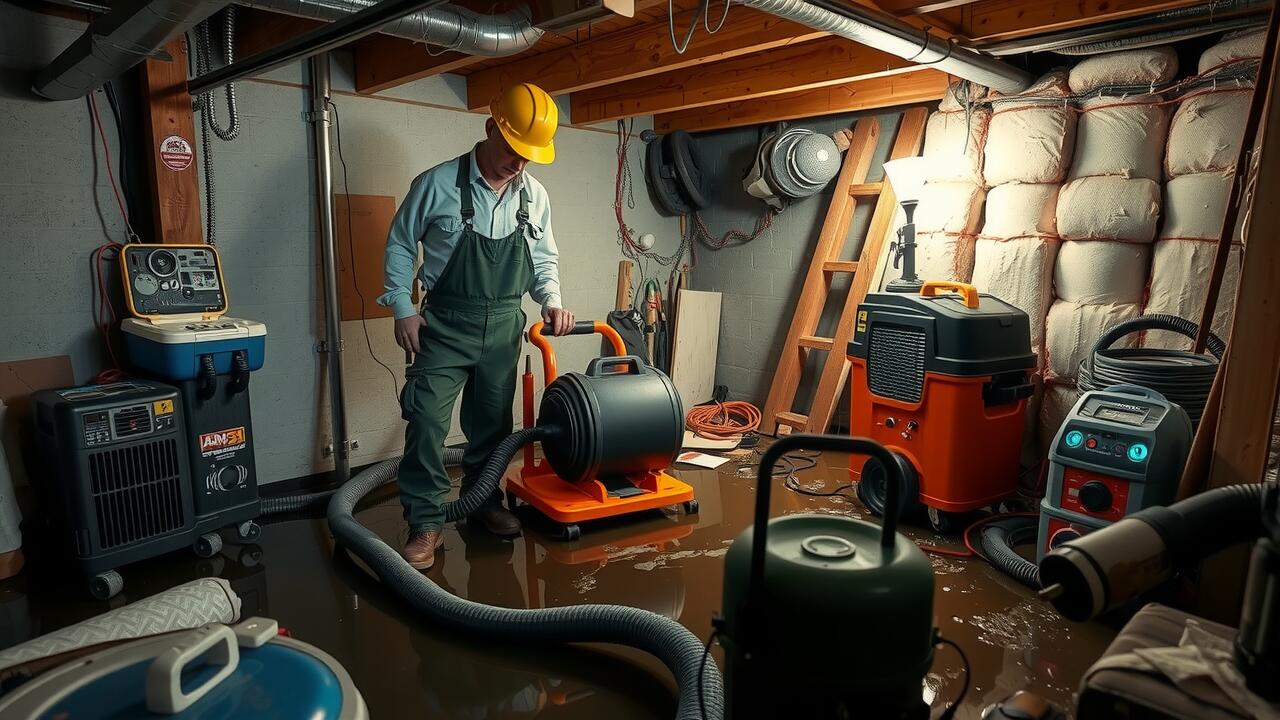
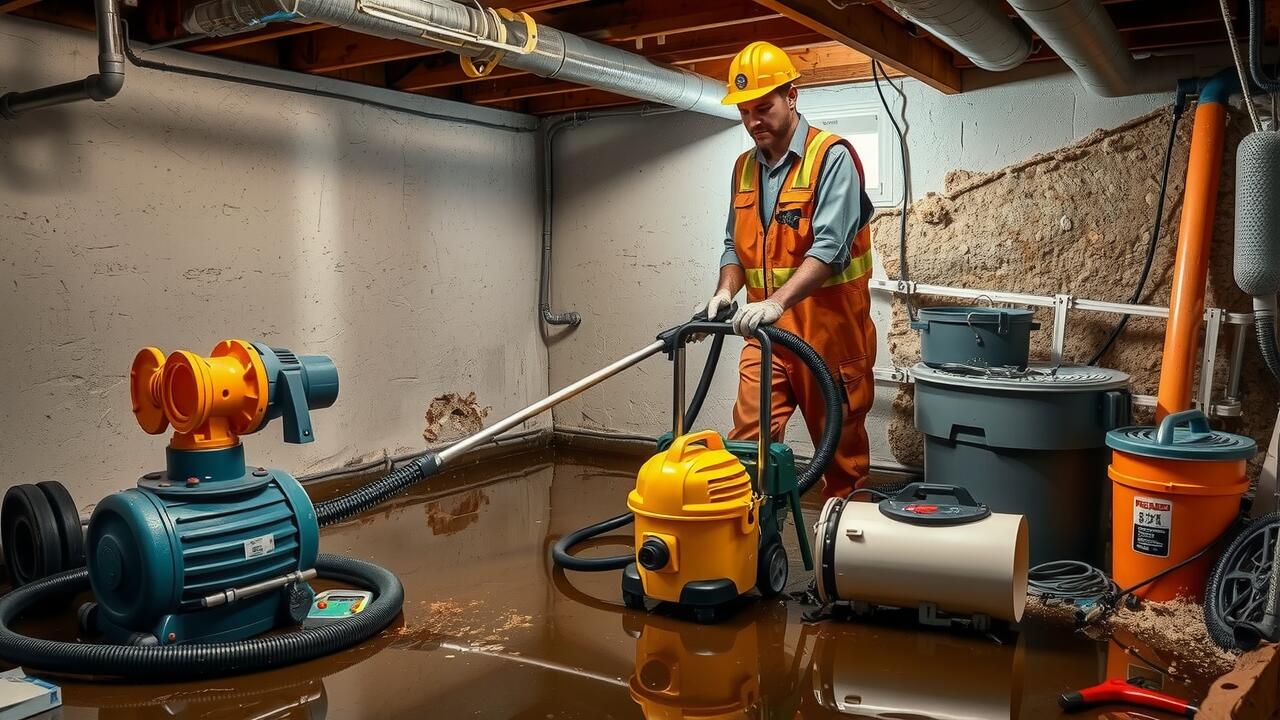
Table Of Contents
Importance of Water Drainage Systems
Water drainage systems play a critical role in preventing moisture accumulation in crawl spaces. Poor drainage can lead to standing water, which not only damages the structural integrity of the home but also fosters mold and mildew growth. Implementing effective drainage solutions ensures that water is redirected away from the foundation, maintaining a dry and safe environment in the crawl space. This is especially important for homeowners looking to avoid costly repairs, such as Flooded Crawlspace Repair, that arise from neglecting proper drainage.
Proper drainage solutions include the installation of gutters and downspouts, which channel rainwater away from the foundation. Additionally, graded landscaping can help redirect surface water. Without effective drainage systems, homeowners may face ongoing moisture issues that compromise air quality and structural safety. Investing in these systems not only protects the home from immediate water damage but also enhances overall property value by ensuring a clean, moisture-free crawl space.
Sump Pumps and French Drains
Sump pumps and French drains play a vital role in managing excess water in crawl spaces. A sump pump functions by automatically removing accumulated water, preventing it from settling in the area. When the water level rises, the pump activates to discharge the water, helping to maintain a dry environment. Meanwhile, French drains are strategically placed to redirect water away from the crawl space. These systems work together to minimize water intrusion and protect the foundation of the home.
Implementing these drainage systems can be especially beneficial for homeowners who have experienced past flooding or water damage. Proper installation of sump pumps and French drains can significantly reduce the need for costly Flooded Crawlspace Repair. Additionally, these systems not only prevent water accumulation but also improve air circulation, making it less likely for mold and mildew to thrive in the damp conditions that often accompany an untreated crawl space.
Insulation and Its Effects on Drying
Insulation plays a critical role in the drying process of a crawl space. Adequate insulation helps maintain stable temperatures, reducing the likelihood of condensation forming on cold surfaces. This not only aids in drying but also prevents the growth of mold and mildew, which thrive in moist environments. When crawl spaces are insulated properly, they retain warmth during colder months and coolness during warmer months, thereby creating an optimal environment for drying out.
In cases of excessive moisture due to water intrusion, strategies such as Flooded Crawlspace Repair become essential. Depending on the severity of the situation, professional assistance may be necessary to remove standing water and address any insulation issues. Sometimes, adding vapor barriers and properly sealing ductwork can further enhance insulation effectiveness, which, in turn, contributes to a drier crawl space over time. Regular inspection of insulation materials is vital for maintaining an effective moisture management system.
Proper Insulation Techniques
Proper insulation techniques play a vital role in preventing moisture accumulation in crawl spaces. Using materials such as foam board insulation or rigid panels can create a barrier against the cold, moist air that often invades these areas. It is essential to ensure that insulation is securely installed, as gaps or improper application can lead to condensation formation and mold growth. Addressing these issues is especially crucial during flooded crawlspace repair, where the right insulation approach can significantly impact the effectiveness of the drying process.
Additionally, encapsulating the crawl space is an effective technique that involves sealing the entire area with a durable liner. This method not only helps to control humidity levels but also provides additional protection against pests and contaminants. Properly installed vapor barriers further enhance this effect by preventing moisture from seeping through the ground. Ensuring that the insulation is compatible with the overall moisture management plan contributes significantly to the health and longevity of the structure above.
Monitoring Moisture Levels
Maintaining a watchful eye on moisture levels in a crawl space is crucial for overall home health. High humidity or water accumulation can lead to structural issues and mold growth. By regularly monitoring these levels, homeowners can take proactive steps to mitigate problems before they escalate. Instruments designed for measuring humidity and moisture can provide valuable insights into the environment of the crawl space, aiding in timely interventions.
When performing a flooded crawlspace repair, it’s essential to assess the moisture levels before and after remediation efforts. This ensures that the area has not only dried adequately but also remains resistant to future water issues. Incorporating frequent checks can help determine the effectiveness of drainage systems and insulation methods implemented in the crawl space.
Tools for Measuring Crawl Space Humidity
Measuring humidity levels in a crawl space is essential for maintaining a healthy environment. Using a hygrometer allows homeowners to accurately assess moisture levels. These devices can provide real-time data, helping to identify potential issues before they escalate. Regular monitoring can prevent problems such as mold growth and structural damage. When dealing with moisture-related issues, it’s essential to be proactive, especially for those facing concerns about a flooded crawlspace repair.
In addition to hygrometers, moisture meters serve as valuable tools for assessing the dampness of materials within the crawl space. This equipment can measure the moisture content of wood and insulation, offering insights into areas that may require attention. Homeowners should consider using both tools in tandem for a comprehensive understanding of their crawl space humidity levels. Properly measuring and addressing moisture issues is a crucial step in maintaining a safe and functional home.
FAQS
How long does it typically take for a crawl space to dry out?
The time it takes for a crawl space to dry out can vary significantly based on factors such as the severity of moisture, ventilation, and the methods employed for drying. Generally, it can take anywhere from a few days to several weeks.
What factors influence the drying time of a crawl space?
Factors that influence drying time include the amount of water present, the humidity level in the area, the type of drainage systems in place, ventilation, temperature, and the presence of insulation.
Can a sump pump help speed up the drying process in a crawl space?
Yes, a sump pump can effectively remove standing water from a crawl space, significantly speeding up the drying process. It helps maintain lower moisture levels and prevents further water accumulation.
Is ventilation important for drying out a crawl space?
Absolutely. Proper ventilation allows air circulation, which can help reduce humidity and promote faster drying in a crawl space. Installing vents or dehumidifiers can enhance this process.
How can I monitor the moisture levels in my crawl space?
You can monitor moisture levels using hygrometers, moisture meters, or digital sensors designed for crawl spaces. Regular checks will help you understand whether your drying efforts are effective.
Related Links
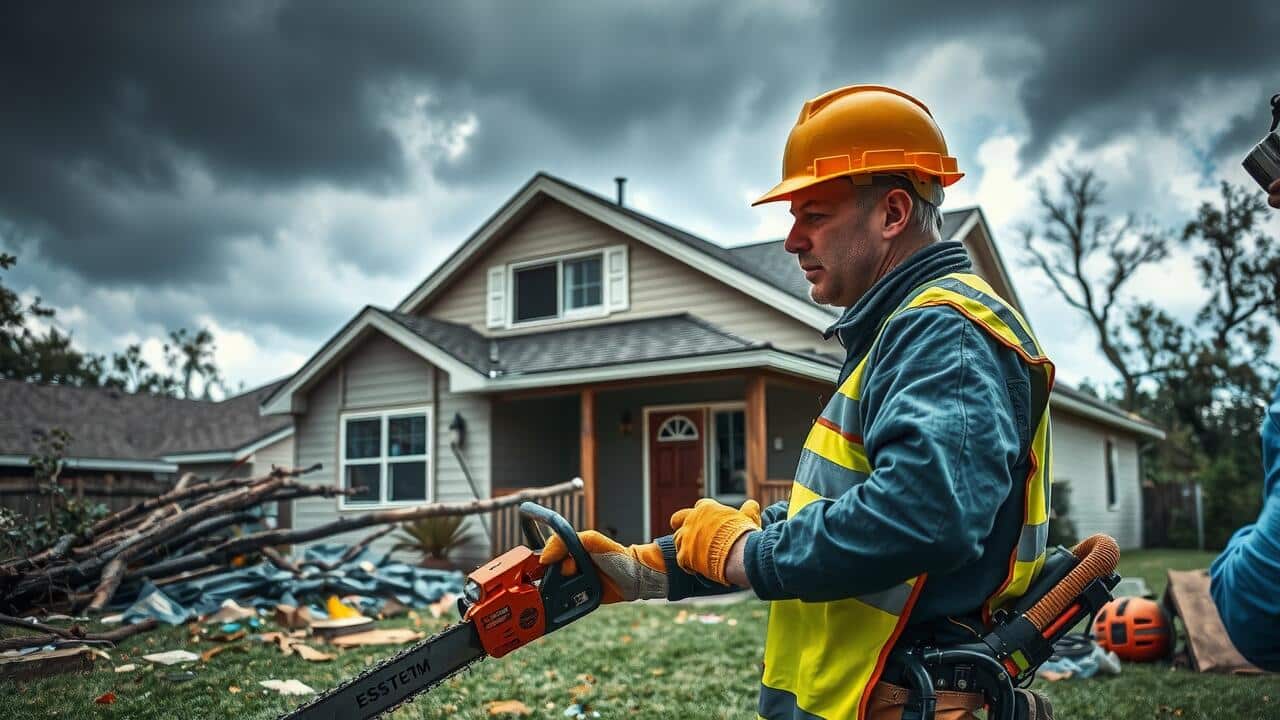
Table Of Contents
Evaluating Customer Reviews and Feedback
Customer reviews and feedback play a pivotal role in assessing the reliability of different restoration services. Potential clients often turn to online platforms to gather insights from previous customers. Positive reviews can indicate a company’s effectiveness and professionalism, especially in specialized areas such as Storm Damage Restoration. Conversely, negative reviews might reveal potential pitfalls or recurring issues that should be taken into account when making a choice.
When examining feedback, it is essential to consider both the quantity and the quality of reviews. A service with a high number of reviews and a consistent trend of positive feedback may indicate a strong reputation in the field. In contrast, a few glowing reviews amid numerous complaints could suggest uneven service levels. It’s important to look for details regarding the responsiveness, reliability, and quality of the work performed, particularly in situations related to Storm Damage Restoration, as these factors can significantly impact the overall customer experience.
Factors to Consider in Online Ratings
When evaluating online ratings for restoration services, one crucial factor is the recency of the reviews. Recent feedback often provides insight into the current quality of service and responsiveness of the company. Long-standing businesses may have a wealth of past experiences to reflect on, yet changes in management or operational practices can significantly impact their service quality. Customers facing issues related to Storm Damage Restoration particularly benefit from reading the most up-to-date reviews, as weather conditions and service standards can fluctuate.
Another important aspect to consider is the volume of ratings a company has received. A handful of reviews may not provide a comprehensive view of the service quality. Companies with a larger number of reviews tend to display a more balanced perspective on their strengths and weaknesses. In the specialized field of Storm Damage Restoration, having numerous ratings can indicate consistent performance and reliability in handling urgent and complex situations. This helps potential clients make informed decisions based on a broader sample of customer experiences.
Pricing Structures in Restoration Services
Pricing structures in restoration services can vary widely based on the type of damage, the extent of the required work, and geographic location. When dealing with storm damage restoration, costs can be influenced by factors such as the severity of the storm, the materials needed for repairs, and any specialized equipment required for efficient restoration. Companies may charge flat rates, hourly fees, or provide estimates based on the specific services offered. Understanding these pricing models helps consumers make more informed decisions when selecting a restoration service.
Insurance coverage also plays a significant role in determining out-of-pocket expenses for storm damage restoration. Some policies cover a wide range of services, while others may have limitations or exclusions. It is crucial for homeowners to review their policies and speak with their insurance agents before starting the restoration process. Knowing what costs might be covered can assist in budgeting for necessary repairs, ensuring that individuals can act swiftly to restore their properties after a storm.
Understanding Cost Factors in the Industry
Cost factors in the restoration industry can vary significantly based on different elements. One important aspect includes the type and extent of damage incurred during events like floods, fires, or storm damage restoration. The severity of the situation often dictates the urgency and comprehensiveness of the services required. Additionally, the materials needing replacement or repair, labor rates, and geographical location can further influence overall pricing.
Another critical consideration is the technology and equipment used in the restoration process. Advanced tools for moisture detection and air purification can enhance efficiency but may also increase the cost of services. Service providers who invest in quality equipment and stay updated with industry standards typically deliver more effective results for storm damage restoration tasks. Understanding these cost factors can help customers make informed decisions when selecting a restoration service.
Certifications and Qualifications to Look For
Certifications and qualifications play a crucial role in determining the competence of restoration professionals. Organizations such as the Institute of Inspection, Cleaning and Restoration Certification (IICRC) establish rigorous standards for service providers in the industry. Technicians who undergo certification demonstrate a commitment to adhering to best practices and maintaining a high level of skill in various areas, including water damage, mold remediation, and Storm Damage Restoration.
When seeking a restoration service, it’s essential to verify their certifications and training. Look for companies that ensure their staff receive ongoing education and participate in workshops to stay current with technological advancements and industry standards. This commitment to professional development reflects their dedication to providing quality service. A well-qualified team can make a significant difference in the efficiency and effectiveness of the restoration process, particularly when addressing complex issues such as Storm Damage Restoration.
Importance of Industry Standards and Training
Industry standards and training play a crucial role in ensuring quality and safety in storm damage restoration services. Certified professionals are trained to handle various challenges that arise during the restoration process. They are familiar with the latest techniques, equipment, and regulations that guide effective restoration practices. By adhering to these standards, service providers can deliver reliable results, minimize risks, and protect both the property and its occupants.
Moreover, proper training empowers technicians to assess damage accurately and determine the best course of action. This knowledge is vital in storm damage restoration, where conditions can vary significantly. Understanding the nuances of different restoration methods allows professionals to tailor their approach, ensuring that each situation is addressed appropriately. Well-trained staff not only enhance the effectiveness of restoration efforts but also build trust with clients seeking assurance during stressful times.
FAQS
What are some alternatives to SERVPRO for restoration services?
Some alternatives to SERVPRO include companies like ServiceMaster Restore, Rainbow International, PuroClean, and Paul Davis Restoration, among others. Each of these companies offers a variety of restoration services and may have different strengths depending on your specific needs.
How can I evaluate customer reviews for restoration services?
You can evaluate customer reviews by checking reputable review sites, such as Google Reviews or Yelp, and looking for patterns in feedback. Pay attention to comments about responsiveness, quality of work, and customer service to gauge the reliability of a company.
What factors should I consider in online ratings for restoration companies?
Factors to consider include the overall rating score, the number of reviews, the recency of the reviews, and specific comments about the services provided. Look for detailed reviews that highlight both positive and negative experiences.
How do pricing structures vary among restoration services?
Pricing structures can vary widely depending on the type of service needed, the extent of the damage, and the company’s pricing model. Some companies charge by the hour, while others may provide flat rates or cost estimates based on the project scope.
Why are certifications and qualifications important in restoration services?
Certifications and qualifications ensure that the restoration company adheres to industry standards and has the necessary training to perform their services effectively. This can provide peace of mind that your property is in the hands of skilled professionals.


Table Of Contents
Exclusions and Limitations in Insurance Policies
Insurance policies often come with a variety of exclusions and limitations that can affect coverage for storm damage. Many standard homeowners’ policies do not cover certain types of damage caused by storms, particularly issues like flooding or sewer backups, which might require separate flood insurance. Storm Damage Restoration in these cases may not be a covered expense, leaving homeowners to shoulder the financial burden.
Furthermore, even when coverage is provided, there may be stipulations regarding the extent of the damages. Insurers typically have specific requirements for what is deemed necessary for restoration and may limit reimbursement for certain services or materials. Homeowners should carefully review their policies to understand what is included and excluded to effectively plan for potential storm damage scenarios.
Common Scenarios Where Coverage May Not Apply
Insurance policies often have specific exclusions that can leave homeowners vulnerable after a storm. One common scenario where coverage may not apply is when the damage results from neglect or lack of maintenance. If homeowners fail to take appropriate preventative measures to safeguard their property, insurers may deny claims for storm damage restoration in such situations. This means that moisture buildup or wear and tear occurring over time could be the homeowner’s responsibility, rather than the insurer’s.
Another scenario relates to the type of storm itself. While many policies cover standard weather-related incidents, they may exclude certain types of events, such as flooding from heavy rains. Homeowners in flood-prone areas may find that standard homeowner’s insurance does not cover storm damage restoration in these cases. Instead, they might need a separate flood policy to gain adequate coverage, highlighting the importance of understanding the specifics of their insurance agreements.
The Impact of Deductibles on Cleanup Costs
Deductibles play a crucial role in determining how much compensation homeowners receive for cleanup costs after a storm. A deductible is the amount you must pay out-of-pocket before your insurance payout begins. This means if the costs of storm damage restoration in your area are significant, a high deductible could significantly reduce the funds you receive for cleanup. Homeowners must evaluate their deductible levels carefully, as this can impact financial planning in the aftermath of a storm.
While some policies may cover storm damage restoration in full, the deductible can limit the total reimbursable amount. For instance, if a homeowner incurs $10,000 in restoration costs and has a $2,000 deductible, the insurance payout would only cover $8,000. Understanding this aspect of your policy before a storm strikes helps in preparing for potential expenses related to cleanup and recovery.
Understanding How Deductibles Affect Your Payout
Deductibles play a crucial role in determining the amount you will receive from your insurance provider for storm cleanup. When you file a claim for storm damage, your insurance policy will specify a deductible that must be paid out-of-pocket before coverage kicks in. For example, if you have a $1,000 deductible and your total cleanup costs amount to $5,000, the insurance company will only pay $4,000 after the deductible is applied. Understanding this will help you budget your expenses and know what to expect from your insurance payout after a storm.
Choosing the right coverage can make a significant difference when dealing with storm damage. Many homeowners assume that their policies will cover all types of cleanup costs, but this is often not the case. For those considering **Storm Damage Restoration in** areas frequently affected by severe weather, reviewing your deductible is essential. A higher deductible may lower your monthly premium, but it could significantly impact what you pay out of pocket in the event of storm damage. Always consider both the short-term savings and the potential long-term costs associated with your deductible.
Choosing the Right Cleanup Services
When it comes to storm damage restoration in your area, selecting the right cleanup service is crucial for ensuring quality and efficiency. Homeowners should look for companies that specialize in storm damage and are familiar with the unique challenges it presents. This expertise can make a significant difference in the turnaround time and overall effectiveness of the restoration process. Reading reviews and checking references can help gauge the reliability and professionalism of potential service providers.
Additionally, many insurance companies have specific requirements for approved vendors. Using a contractor that meets these standards can simplify the reimbursement process for storm damage restoration in your home. Insurers often prioritize companies that have a proven track record and sufficient qualifications, so it is wise to verify if your chosen service provider meets these criteria. Doing so not only enhances the likelihood of receiving coverage for your cleanup costs but also ensures that the work performed adheres to industry standards.
What Insurers Look for in Approved Vendors
When selecting approved vendors for cleanup services, insurers typically prioritize companies that demonstrate a strong reputation for reliability and professionalism. Insurers often seek vendors with established experience in storm damage restoration in residential and commercial properties. A proven track record of timely responses and effective remediation practices is essential. Additionally, businesses that possess adequate licensing, insurance coverage, and positive customer reviews are more likely to gain the insurer’s approval.
Compliance with industry standards plays a significant role in the approval process as well. Vendors engaged in storm damage restoration in specific regions must adhere to local regulations and guidelines. Insurers tend to favor companies that use updated equipment and follow best practices in restoration techniques. This emphasis on quality helps ensure that the cleanup process is handled efficiently, ultimately benefiting both the insurer and the policyholder.
FAQS
Does my homeowners insurance cover storm cleanup?
Homeowners insurance may cover storm cleanup, but it depends on your specific policy and the type of damage sustained. It’s important to review your policy and consult with your insurance agent for details.
What types of storm damage are typically excluded from coverage?
Common exclusions may include damage caused by flooding, wear and tear, or specific types of storms like hurricanes or tornadoes, depending on your policy. Always check your policy for specific exclusions.
How do deductibles affect my insurance claim for storm cleanup?
Deductibles are the amount you must pay out-of-pocket before your insurance coverage kicks in. For storm cleanup, your insurer will deduct this amount from your total claim payout, so it’s important to understand your deductible.
Can I choose any cleanup service for storm damage?
While you can choose a cleanup service, insurers often have preferred vendors they recommend. Using approved vendors can sometimes streamline the claims process and help ensure coverage.
What should I do if my insurance claim for storm cleanup is denied?
If your claim is denied, review the denial letter for the reasons given. You can appeal the decision by providing additional information or documentation, and it may help to consult with a public adjuster or attorney for assistance.
Table Of Contents
The Experience Level of Restoration Professionals
When considering water damage restoration, the experience level of the professionals involved plays a crucial role in determining both the quality of service and the overall cost. Experienced restoration specialists possess a deep understanding of various water damage scenarios, enabling them to assess damage accurately and implement effective solutions. Their familiarity with the intricacies of restoration means they can often complete tasks more efficiently, ultimately minimizing long-term costs for property owners.
For those searching for “Storm Damage Restoration near me,” the expertise of local professionals should be a top priority. Less experienced workers may lack the knowledge to manage complex situations or use subpar methods that can lead to further issues down the line. Engaging skilled restoration experts ensures that not only are immediate repairs carried out properly, but also that preventative measures are implemented to avoid future problems.
Why Expertise Matters
Experience plays a critical role in the effectiveness of water damage restoration. Professionals with extensive backgrounds understand the nuances of various situations, from assessing the extent of damage to implementing the right solutions quickly. Their expertise often translates into more efficient work, minimizing further deterioration of the property and ultimately lowering total costs. Inquiring about the experience of local services can help homeowners make a more informed decision, especially when searching online for “Storm Damage Restoration near me.”
The knowledge that seasoned technicians bring to the table not only includes practical skills but also an understanding of the industry’s best practices. They are well-versed in the latest technologies and methodologies, which can significantly enhance the restoration process. Choosing a company with a proven track record ensures that the work performed adheres to safety standards and regulations, minimizing the risk of complications down the line. As a result, careful consideration of expertise becomes crucial when evaluating quotes for restoration services.
Equipment and Technology Used in Restoration
The type of equipment and technology used in water damage restoration plays a crucial role in determining the efficiency and effectiveness of the restoration process. Professionals typically utilize advanced tools such as moisture meters, infrared cameras, and industrial-grade dehumidifiers to assess the extent of water damage and ensure thorough drying. In many cases, the latest technology can significantly shorten the restoration timeline, which is an important factor for homeowners seeking to return to their normal lives after an incident. When searching for “Storm Damage Restoration near me,” it is important to inquire about the specific equipment and methodologies used by local companies.
Different restoration companies may invest in varying levels of technology, which can influence the overall pricing of their services. Companies that use state-of-the-art equipment may charge higher fees due to the increased efficiency and effectiveness of their methods. Additionally, the size and scope of the damage influence the equipment required. Therefore, obtaining multiple quotes can provide a clearer picture of how various companies approach water damage restoration and the technology they employ. By gathering this information, property owners can make better-informed decisions about which service providers to consider.
Influence on Overall Pricing
The type and quality of equipment used in the restoration process can significantly impact the overall pricing of water damage services. Modern technology, including advanced drying systems and water extraction tools, tends to be more efficient but can also increase costs. Restoration companies that invest in the latest equipment often pass those expenses onto the customer. This investment helps ensure quicker recovery times and minimizes the potential for further damage, which is crucial when dealing with a pressing issue like flooding.
The extent of the damage and the necessary steps for restoration play a vital role in determining quotes. Companies will assess factors such as the area affected, the materials involved, and the required labor. A thorough inspection for potential hidden damage can also influence the final estimate. Homeowners should consider searching for “Storm Damage Restoration near me” to find local professionals who can provide accurate assessments tailored to their specific situations. Various companies might offer differing quotes based on their approach, resources, and familiarity with local conditions, making it essential to gather multiple estimates.
Timeframe for Completion of Restoration
The timeframe for water damage restoration plays a crucial role in determining costs. Depending on the extent of the damage and the urgency of the situation, companies may revise their rates. A rapid response may necessitate additional resources or overtime labor, increasing the overall estimate. Homeowners frequently seek “Storm Damage Restoration near me” services to address urgent issues quickly, which might lead to higher quotes based on immediate availability.
Furthermore, some restoration projects can be completed swiftly while others require more time due to extensive repairs or complications. Delays can arise from structural issues, mold remediation, or the need for specialized equipment. Homeowners should be aware that a longer restoration timeframe can result in higher costs, especially if the damage is severe. Obtaining multiple quotes can help individuals understand how different companies price their services based on the estimated duration of the restoration process.
How Urgency Affects Costs
The urgency associated with water damage restoration significantly impacts overall costs. In scenarios where immediate action is required, such as after a flood or storm, professionals may charge a premium for their rapid response services. These situations often demand round-the-clock availability, which can drive up labor costs and service fees. Homeowners facing urgent repairs may find themselves paying more than they would for plans that allow for a less immediate timeframe.
When searching for help, “Storm Damage Restoration near me” can yield various options. Each service provider may respond differently based on their current workload and availability. Companies that prioritize quick service often have a structured pricing model that reflects the urgency of the job. As a result, obtaining multiple quotes becomes essential to ensure homeowners understand how urgency will influence their restoration costs, providing a clearer picture of financial obligations ahead.
FAQS
Why is it important to obtain multiple quotes for water damage restoration?
Obtaining multiple quotes allows you to compare prices and services offered by different restoration companies, ensuring that you receive the best value for your money while also helping you identify any potential red flags in pricing or service quality.
What factors influence the cost estimates for water damage restoration?
Several factors can influence estimates, including the experience level of the restoration professionals, the type and amount of equipment and technology used, the extent of the damage, and the urgency of the restoration timeframe.
How does the experience level of restoration professionals affect costs?
More experienced professionals often charge higher rates due to their expertise and proven track record, which can result in more efficient and effective restoration work, ultimately saving you time and money in the long run.
What role does technology play in the cost of water damage restoration?
Advanced equipment and technology can enhance the efficiency and effectiveness of the restoration process. Companies that invest in the latest tools may charge more, but they can also potentially reduce the overall time and costs associated with repairs.
How does the urgency of restoration impact pricing?
If restoration services are needed quickly, such as in cases of severe water damage, companies may charge a premium for expedited services. This urgency can significantly influence the overall cost of the restoration project.