Category: Uncategorized

Table Of Contents
Professional Waterproofing Services
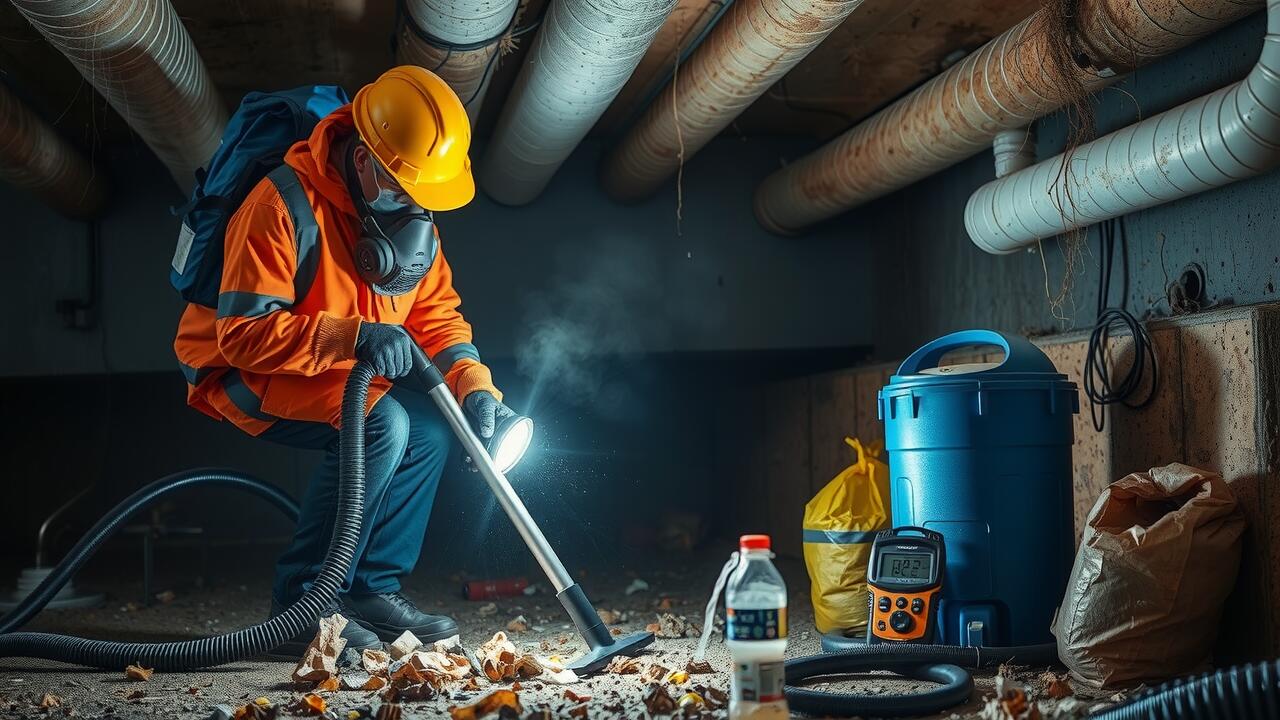
Professional waterproofing services offer a comprehensive solution for homeowners looking to protect their properties from water damage. These services typically include inspections, assessments, and a variety of treatments tailored to specific needs, such as interior and exterior sealing. Many companies use advanced techniques and materials designed to create a barrier against moisture infiltration, ensuring long-lasting protection. When searching online, terms like “Waterproofing Services near me” can help identify local experts with the necessary experience and equipment.
Hiring professionals not only guarantees quality work but also provides peace of mind for property owners. Expert waterproofers possess the skills to identify potential problem areas that may not be apparent to an untrained eye. They can also recommend the best practices for maintaining a waterproof environment over time. Upon completion, these services can significantly enhance a home’s value and durability against the elements.
Pricing Models in the Industry
Pricing models for waterproofing services vary based on several factors, including the type of service, materials used, and project scope. Homeowners can choose from flat-rate pricing, which provides a clear cost upfront, or hourly rates that can fluctuate based on the complexity of the job. The selection of materials also impacts pricing, as high-performance products often come at a premium but may provide better protection. When searching for the best options, many people look for “Waterproofing Services near me” to compare local rates and expertise.
Additionally, pricing can differ significantly among companies and may include various service packages. Some providers offer comprehensive assessments that encompass potential repairs and ongoing maintenance, while others may focus solely on installation. Understanding the different packages and pricing strategies allows homeowners to make informed decisions. Engaging with local experts through searches for “Waterproofing Services near me” can yield personalized quotes that align with specific needs and budgets.
Regional Variations in Waterproofing Costs
Waterproofing costs can vary significantly across different regions in the United States. Factors such as local climate, soil conditions, and demand for such services all contribute to these variations. In areas prone to heavy rainfall or flooding, homeowners may face higher prices due to increased demand for reliable waterproofing solutions. Additionally, cities with a higher cost of living often see steeper prices compared to more rural areas.
Urban environments typically offer a broader range of professional waterproofing services. Homeowners in these locations may benefit from competition among providers, creating opportunities for better pricing. However, those searching for “Waterproofing Services near me” in rural settings might find fewer options, potentially leading to higher rates if specialized services are required. Understanding local market conditions is crucial for estimating costs effectively.
Urban vs. Rural Pricing Differences
Pricing for waterproofing services often varies significantly between urban and rural areas. In cities, the costs tend to be higher due to the increased demand for services, higher operational expenses, and the complexity of urban properties. For homeowners in metropolitan regions, the availability of specialized professionals can drive up competition, ultimately leading to elevated pricing structures. Those searching for “Waterproofing Services near me” in urban settings will often find packages that reflect these market dynamics.
Conversely, rural areas usually experience lower costs associated with waterproofing projects. The reduced demand for services often translates into more competitive pricing among local contractors. Fewer regulations and simpler properties can also contribute to lower labor costs for waterproofing jobs in less populated regions. Homeowners in these areas may find more budget-friendly options when searching for “Waterproofing Services near me,” as local providers may offer more flexible pricing to accommodate the economic landscape.
Long-term Savings from Waterproofing
Investing in waterproofing can yield significant long-term savings for homeowners. Protecting a property from water damage reduces the risk of mold and mildew growth, which can lead to costly repairs and unhealthy living conditions. By addressing potential water intrusion early, homeowners can avoid expenses related to structural damage and the need for specialized remediation services.
Utilizing waterproofing services near me not only enhances the value of a property but also contributes to energy efficiency. Properly implemented waterproofing can help regulate indoor temperatures, reducing heating and cooling costs over time. The combination of reduced repair costs and improved energy efficiency underscores the financial benefits of investing in waterproofing solutions.
Prevention of Future Damages
Investing in waterproofing offers significant benefits beyond immediate protection. When properly installed, waterproofing systems can prevent water intrusion and potential structural damage. Addressing this issue proactively can save property owners from costly repairs in the future. Damp environments contribute to mold growth, which can cause health problems and necessitate further remediation. Long-term exposure to moisture can weaken foundational components, leading to serious risks.
Many homeowners often search for “Waterproofing Services near me” to find local professionals who can assess their property’s specific needs. By choosing expert services, individuals ensure that their waterproofing solutions are tailored to their environment and construction style. This personalized approach not only enhances the effectiveness of waterproofing but also extends the lifespan of the property. Regular maintenance can sustain these benefits and maximize the investment made in waterproofing.
FAQS
What factors influence the cost of waterproofing services?
The cost of waterproofing services can be influenced by several factors including the type of waterproofing system used, the size of the area being treated, the condition of the existing structure, and the location of the property.
How much can I expect to pay for professional waterproofing services?
On average, professional waterproofing services can range from $1,500 to $5,000, but costs can vary significantly based on regional differences and the complexity of the project.
Are there different pricing models for waterproofing?
Yes, there are typically several pricing models in the industry, including flat rates for specific services, hourly rates for labor, and cost per square foot for larger projects.
How do urban and rural areas affect waterproofing costs?
Urban areas often have higher labor and material costs due to increased demand and cost of living, while rural areas may offer lower prices. However, the availability of skilled contractors can also vary by region, impacting overall costs.
What long-term savings can I expect from investing in waterproofing?
Investing in waterproofing can lead to significant long-term savings by preventing future water damage, reducing repair costs, and extending the lifespan of your property. Additionally, it can help improve energy efficiency and increase property value.
Related Links


Table Of Contents
Common Waterproofing Techniques
Several common techniques are employed for waterproofing, each tailored to specific needs and environments. Interior and exterior sealing is among the most popular methods. This technique involves applying waterproof membranes or coatings to walls and floors, effectively blocking moisture entry. Another widely used method is drainage systems, which direct water away from structures and reduce the risk of water accumulation. These systems often include sump pumps and perforated pipes designed to manage groundwater effectively.
In addition to sealing and drainage, additional techniques such as positive drainage and landscaping can also play significant roles in waterproofing a property. Positive drainage involves designing the landscape to channel water away from foundations, while specialized waterproofing services offer advanced solutions like foundation fortification and installation of vapor barriers. Each technique has its own cost implications, so understanding the specific approach can help in assessing overall expenses.
Comparing Methods and Their Costs
Different waterproofing methods come with varying costs, influenced by the materials used and the specific requirements of each project. Interior and exterior waterproofing techniques include options like exterior drainage systems, sealants, and sump pumps. Exterior solutions typically involve more extensive excavation and installation, leading to higher labor and material expenses. Interior methods, while generally less invasive, may require ongoing maintenance to ensure effectiveness.
When comparing these methods, it’s also important to consider the long-term benefits, including reduced future repairs and improved property value. Waterproofing services often include consultations that help homeowners choose the best option for their specific needs. While initial costs might seem daunting, investing in the right waterproofing solution can save money in the long run by preventing costly water damage.
Additional Costs to Consider
When budgeting for waterproofing, it’s essential to account for additional costs beyond the basic service fees. These may include permits required by local regulations, which can vary significantly depending on your municipality. Inspection fees to assess the existing conditions of the property may also add to expenses. Obtaining estimates from multiple Waterproofing Services can help clarify these costs and provide insight into the expected total expenditure.
Homeowners should also consider potential repairs needed prior to waterproofing. Damage from previous water intrusion may necessitate structural repairs, which can increase overall project costs. Furthermore, depending on the chosen waterproofing method, there might be ongoing maintenance requirements. Discussing these factors with your chosen Waterproofing Services will ensure a comprehensive understanding of all associated costs and help avoid surprises during the process.
Permits, Inspection Fees, and More
When planning a waterproofing project, it’s important to consider the potential costs associated with permits and inspection fees. Many local governments require permits for significant waterproofing work. The fees for these permits can vary widely based on location and the scope of the project. A professional waterproofing service will typically handle these requirements, ensuring that all necessary documentation is submitted. This approach can help avoid potential fines or complications that may arise from unpermitted work.
In addition to permit costs, inspection fees may also be necessary, especially if your project involves extensive renovations or modifications to your property. Inspections help ensure that the work meets local building codes and safety regulations. While these additional costs might seem burdensome, they contribute to a higher standard of quality and safety in the waterproofing process. Working with experienced waterproofing services can streamline this process, providing peace of mind and ensuring compliance with local regulations.
DIY vs. Professional Waterproofing
When considering waterproofing, many homeowners face the choice between DIY methods and hiring professional waterproofing services. A DIY approach may appear cost-effective at first glance, with various products available for purchase at local hardware stores. However, the effectiveness of such methods often depends on the experience and knowledge of the homeowner. Improper application can lead to significant long-term issues, including mold growth and structural damage, which may cost much more to repair.
On the other hand, professional waterproofing services bring expertise and specialized tools to the table. Professionals are trained to assess specific conditions unique to each property, ensuring that the most suitable techniques are employed. Although the initial price may be higher than DIY solutions, the long-term benefits, including guarantees and warranties offered by professional services, can ultimately lead to savings by avoiding potentially costly mistakes and repairs down the line.
Cost Comparison and Risks
When considering waterproofing options, it’s essential to assess the cost differences between DIY projects and professional waterproofing services. DIY waterproofing can initially seem more economical since it typically involves purchasing materials and tools. However, hidden costs such as potential mistakes and redoing work can add up, making this option less cost-effective in the long run. In contrast, professional waterproofing services might come with a higher upfront price tag, but experts provide warranties and ensure a thorough job, reducing the likelihood of future issues.
While the cost is a significant factor, evaluating the risks associated with each method is equally important. DIY waterproofing can lead to inadequate sealing, which may cause severe water damage over time. Hiring professional waterproofing services significantly decreases the risk of improper installation and the associated long-term costs. Homeowners need to weigh their budget constraints against the potential risks, ensuring they make an informed decision that protects their property.
FAQS
What factors influence the cost of professional waterproofing?
The cost of professional waterproofing can be influenced by factors such as the size of the area being waterproofed, the severity of the water issue, the specific waterproofing method used, and any additional repairs needed.
How much can I expect to pay for a professional waterproofing service?
On average, professional waterproofing services can range from $1,500 to $3,000, but costs can vary significantly based on the complexity of the job and the materials used.
Are there hidden costs associated with waterproofing?
Yes, additional costs may include permits, inspection fees, and potential repairs to any damage caused by moisture, which can add to the overall expense of the waterproofing project.
Is it worth hiring a professional for waterproofing instead of doing it myself?
Hiring a professional is often recommended, especially for severe water issues, as they have the expertise, tools, and materials to effectively address the problem, reducing the risk of future complications.
How can I determine which waterproofing method is best for my property?
To determine the best waterproofing method for your property, consider factors such as your specific water issues, the condition of your foundation, and consult with a professional who can assess your situation and provide tailored recommendations.
Related Links

Table Of Contents
Removing Smoke Residue from Fabric
Removing smoke residue from fabric requires careful assessment and a targeted approach. Begin by taking the fabric item outside to minimize the spread of soot indoors. Shake or gently brush the fabric to dislodge loose particles. Use a vacuum with a brush attachment to capture remaining debris. After initial cleaning, pre-treat any significant stains with a mixture of water and a mild detergent. Test this solution on a small, inconspicuous area first to ensure it doesn’t cause further damage.
For machine-washable fabrics, wash them in the hottest water suitable for the material while adding a cup of white vinegar to help neutralize odors. For delicate or non-washable items, consider seeking professional services specializing in smoke damage cleanup. Searching for “Smoke Damage Cleanup near me” can lead to experienced cleaners who can effectively handle these fabrics.
Cleaning Upholstery and Draperies
Upholstery and draperies can retain smoke residue and odors long after a fire. Start by vacuuming the fabric to remove any loose particles. Consider using a brush attachment to gently lift debris without damaging the fibers. For more thorough cleaning, a fabric-safe cleaning solution can be applied. Test the solution on a hidden area first to ensure that colors do not bleed or deteriorate. A professional cleaning service can also provide specialized treatments tailored for smoke-damaged fabrics.
Addressing smoke residue in these materials is crucial for restoring their appearance and freshness. Industry experts often recommend using steam cleaning for deeper penetration into fibers. Ensure proper ventilation in the area during cleaning to help dissipate odors. For those searching for assistance, searching “Smoke Damage Cleanup near me” can connect you with local professionals equipped to handle such specific needs effectively. Regular maintenance after smoke damage can prevent lingering smells and protect your investments in furniture and decor.
Dealing with Smoke Residue on Hard Surfaces
Smoke residue on hard surfaces can be particularly stubborn to clean. If surfaces are not treated properly, the discoloration and odor can linger long after the source of smoke has been removed. Start by using a dry sponge or cloth to gently wipe away loose particles. For tougher residues, consider using a mixture of water and a mild detergent suitable for the surface you are cleaning. Make sure to avoid harsh chemicals that could further damage the surface.
When dealing with more resilient smoke stains, a mixture of vinegar and water can often work wonders. Spray the solution onto the affected area and let it sit for a few minutes before wiping it down. For those who prefer professional assistance, searching for “Smoke Damage Cleanup near me” can connect you with local services that specialize in restoring surfaces after fire or smoke incidents. These professionals have the tools and expertise to tackle even the most challenging cleanup tasks, ensuring your hard surfaces are left in pristine condition.
Effective Methods for Cleaning Floors and Furniture
To effectively clean smoke residue from floors and furniture, it is essential to start with a thorough vacuuming to remove loose particles. For hardwood or laminate floors, a damp mop with a solution of mild detergent and warm water works wonders. Avoid soaking the floors, as excess water can cause damage. For upholstery and furniture, use a soft brush attachment on a vacuum cleaner to reach crevices. Once the larger particles are removed, a mixture of vinegar and water can serve as a gentle cleanser to wipe down surfaces, eliminating lingering odors while being safe for most materials.
When handling severe smoke damage, specialized products may be necessary to achieve the desired results. Enzyme-based cleaners are effective in breaking down the residue. In cases where the damage is extensive, finding local professionals can ensure thorough cleaning. Searching online for “Smoke Damage Cleanup near me” can provide a list of qualified services ready to assist with restoration. By taking preventive measures and utilizing the right techniques, both floors and furniture can be revitalized and restored, minimizing the impact of smoke damage.
Addressing Odors Left by Smoke
Smoke odors can linger long after the visible residue has been cleaned. To effectively address these odors, thorough cleaning of all affected areas is essential. Start by airing out the space as much as possible. Open windows and doors to allow fresh air circulation. Utilize fans and air purifiers equipped with HEPA filters. If smoke has penetrated surfaces, consider using odor-neutralizing solutions such as vinegar or baking soda, both known for their efficacy in absorbing unpleasant smells.
For those seeking professional assistance, searching for “Smoke Damage Cleanup near me” can lead to local experts equipped to handle severe cases. These professionals utilize specialized equipment and techniques tailored for smoke odor elimination. They may also use ozone treatments or fogging methods that deeply penetrate porous materials, ensuring a comprehensive approach to odor removal. By relying on advanced services, you can restore your environment more effectively.
Tips for Neutralizing Smoke Smell
To effectively neutralize smoke smell, it’s important to utilize a combination of cleaning agents and techniques. Baking soda is a powerful odor absorber that can be sprinkled on carpets, upholstery, and even in containers placed around the room. Allow it to sit for several hours, or overnight, before vacuuming it up. Additionally, vinegar can serve as a natural deodorizer; placing bowls of vinegar strategically in the affected space can help eliminate stubborn odors as it evaporates.
For more persistent odors, consider using an air purifier equipped with a HEPA filter, which can capture smoke particles in the air. If the smoke damage is extensive, seeking professional help may be necessary. Search for “Smoke Damage Cleanup near me” to find local experts who specialize in this type of remediation. They possess specialized equipment and knowledge to effectively remove smoke odors from various surfaces, ensuring a thorough cleanup.
FAQS
What is the best way to clean smoke residue from fabric?
To clean smoke residue from fabric, start by vacuuming the area to remove loose particles. Next, use a mixture of water and a mild detergent to gently scrub the fabric. For tougher stains, consider using a specialized upholstery cleaner, ensuring to follow the manufacturer’s instructions.
How can I effectively clean smoke residue from hard surfaces?
For hard surfaces, it’s best to use a mixture of warm water and vinegar or a commercial cleaner designed to tackle smoke residue. Wipe the surfaces with a cloth or sponge, and be sure to rinse thoroughly to remove any cleaning solution.
What methods are most effective for cleaning smoke residue from floors and furniture?
For floors, start with sweeping or vacuuming, then use a mop with a solution of warm water and a suitable floor cleaner. For furniture, wipe down with a damp cloth and a gentle cleaner, ensuring to dry the surfaces afterward to prevent moisture damage.
How can I address odors left by smoke after cleaning?
To eliminate smoke odors, use an odor neutralizer like baking soda or activated charcoal. Place bowls of these substances in the affected area, or spray a mixture of water and vinegar to help absorb and neutralize the smell.
Are there any specific tips for neutralizing smoke smell in my home?
Yes, some effective tips include regularly airing out your home, using odor-absorbing materials like activated charcoal, and utilizing air purifiers with HEPA filters. Additionally, you can try placing bowls of vinegar or baking soda in rooms to help neutralize lingering odors.
Related Links


Table Of Contents
Professional Content Restoration Services
Professional content restoration services are essential for individuals and businesses facing data loss due to various reasons. These services focus on the recovery of damaged, corrupted, or lost files, ensuring that valuable information is restored to its original state. Experts in the field utilize specialized tools and advanced techniques to address issues arising from accidental deletions, hardware failures, or malware attacks. Clients benefit from their experience and knowledge, gaining peace of mind while navigating the often-complex recovery process.
Contents restoration in a professional setting often extends beyond mere retrieval of lost data. It typically includes assessments of content integrity and security to prevent future incidents. Service providers frequently offer comprehensive solutions that encompass ongoing support, training, and preventive strategies tailored to a client’s specific needs. This proactive approach not only facilitates immediate recovery but also builds a robust framework for maintaining content integrity going forward.
When to Seek Expert Help
Recognizing when to seek expert help is crucial for effective contents restoration in various situations. If you experience significant data loss due to hardware failure, natural disasters, or accidental deletion, professional services can provide the expertise needed to recover lost materials. Attempting to restore important content on your own may lead to further damage or incomplete recovery, making it vital to consult professionals who specialize in these circumstances.
Additionally, navigating complex formats or specialized systems can present challenges that require expert intervention. When dealing with content that involves intricate databases, unique file types, or sensitive data, professional contents restoration in these scenarios ensures proper handling and restoration techniques. Their advanced tools and knowledge can salvage information that may be beyond the reach of standard recovery methods, safeguarding your valuable assets effectively.
Preventive Measures for Content Integrity
Preventive measures play a crucial role in maintaining content integrity and mitigating the risks associated with data loss. Regular backups serve as a foundational practice, ensuring that copies of important files remain accessible even in the face of unexpected events. Utilizing cloud storage solutions can add an extra layer of protection while enabling easy access to the most current versions of your documents. Implementing a comprehensive documentation system can also help track changes, offering insight into modifications made over time.
Educating individuals and teams about safe handling practices is essential for preserving content integrity. Awareness of common threats, such as malware or accidental deletions, can empower users to exercise caution when managing data. This proactive approach not only reduces the likelihood of needing Contents Restoration in the future but also fosters a culture of responsibility around data preservation. Regular audits of storage systems can catch errors early, further supporting efforts to maintain data quality and reliability.
Backup and Storage Solutions
Effective backup and storage solutions are essential for safeguarding content. Many organizations leverage cloud storage as a reliable option for preserving important data. This technology allows for easy accessibility and scalability, ensuring that content remains intact even in the event of hardware failure or data corruption. Regularly updating backup protocols is crucial for maintaining the integrity of stored items, especially when conducting Contents Restoration in various formats or media types.
On-site storage systems also play a vital role in a comprehensive backup strategy. While cloud solutions offer flexibility, having physical copies provides an additional layer of security. Organizations can utilize external hard drives or dedicated servers to create redundant backups, minimizing the risk of loss. Implementing a combination of both cloud and local storage can enhance the effectiveness of Contents Restoration in any situation where immediate access to data is required.
Challenges in Content Restoration
Challenges in content restoration often stem from various technical limitations. Depending on the extent of damage, recovering lost or corrupted data can be a complex and time-consuming process. Some files may have suffered from degradation or may require specific software to access. In certain instances, the lack of compatibility with modern systems can hinder the restoration efforts. Professionals must navigate these obstacles while keeping the integrity of the content intact.
Risks are also inherent in the contents restoration process. As data recovery techniques evolve, they may inadvertently introduce new vulnerabilities or exacerbate existing issues. Restoring a file without understanding its origin or previous state can lead to further data loss or corruption. Maintaining a thorough assessment and implementing best practices can help mitigate these risks, but challenges remain significant in ensuring successful content recovery.
Technical Limitations and Risks
Technical limitations often pose significant challenges during contents restoration in various contexts. Digital files can become corrupted due to hardware failures, software malfunctions, or even user errors. Each scenario demands different approaches for recovery, and not all data may be recoverable. When physical items are involved, such as documents or artwork, materials may degrade over time, leading to further complications during the restoration process.
Risks associated with contents restoration in both digital and physical realms are substantial. Attempting to restore valuable content without proper expertise can result in irreversible damage. Established procedures need to be followed to ensure that the integrity of the original material is maintained. Additionally, some restoration techniques can alter the original item, which might diminish its historical value or authenticity. Careful consideration of these risks is essential to minimize potential harm.
FAQS
What is content restoration?
Content restoration is the process of recovering and restoring damaged, lost, or corrupted digital data, files, or documents to their original or functional state.
When should I seek professional content restoration services?
You should seek professional help when you encounter significant data loss, corruption, or damage that you cannot resolve on your own, especially if the content is critical for business or personal use.
What preventive measures can I take to ensure content integrity?
To ensure content integrity, regularly back up your data, utilize reliable storage solutions, implement security measures, and perform routine checks on your files to detect any issues early.
What types of backup and storage solutions are recommended for data protection?
Recommended backup solutions include cloud storage, external hard drives, and automated backup software. It’s important to use a combination of these methods for comprehensive data protection.
What are some common challenges faced in content restoration?
Common challenges include technical limitations of software tools, risks of further data loss during recovery attempts, and the potential for incomplete restoration of files or documents.
Related Links
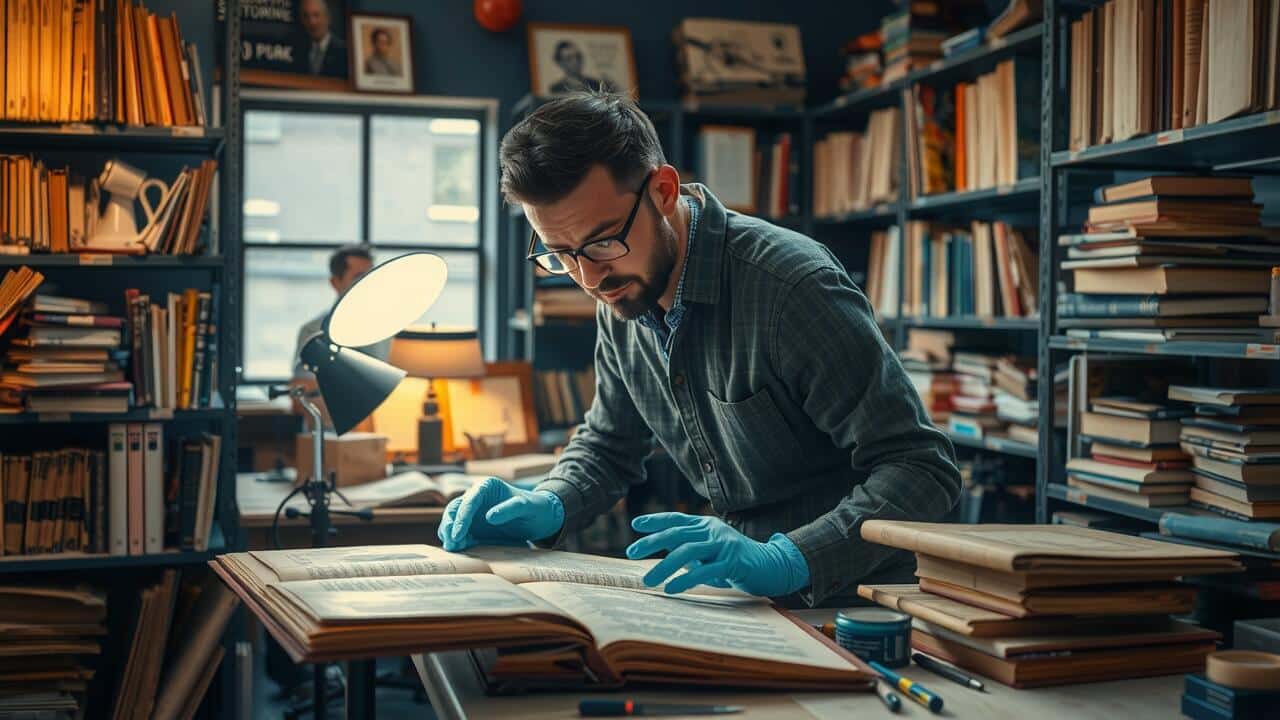
Table Of Contents
Dealing with Odors
Smoke damage leads to persistent odors that can linger long after the source of the fire has been extinguished. Effective deodorization is essential to restore your space and make it livable again. Common methods of addressing these odors include thoroughly airing out the affected area, using deodorizers, and employing air purifiers. These strategies can help minimize smoke scent, but they often require repeated applications to achieve satisfactory results in the aftermath of smoke damage.
For comprehensive smoke damage cleanup in your home, consider using specialized products designed to neutralize smoke odor. Ozone generators and thermal foggers can penetrate porous materials, targeting ingrained scents that typical cleaning methods may overlook. Ultimately, the choice of method depends on the extent of the damage and the materials involved. Regular maintenance and monitoring can also enhance the effectiveness of your deodorization efforts, ensuring a fresher environment free from lingering smoke odors.
Effective Deodorization Methods
Baking soda is one of the most effective tools for eliminating odors caused by smoke damage. This natural deodorizer absorbs unpleasant smells and can be sprinkled on carpets, upholstery, or any affected areas. Allowing it to sit for several hours or even overnight enhances its effectiveness. Once the time has passed, vacuuming it up will reveal a fresher environment. Utilizing activated charcoal is another highly recommended method, as it works similarly to baking soda by absorbing odors in the air.
Vinegar can also play a key role in smoke damage cleanup in enlisting its acidic properties. Mixing equal parts of white vinegar and water in a spray bottle allows for an easy application on surfaces. After spraying, wiping down with a clean cloth helps eliminate any lingering odors. For a more concentrated approach, vinegar can be heated in a pot on the stove, allowing the steam to fill the room and effectively neutralize the smell of smoke. These methods, combined with proper ventilation, can make a significant difference in restoring your space.
Restoring Fabrics and Upholstery
Restoring fabrics and upholstery after smoke damage can be a challenging task. Different materials respond differently to cleaning methods, making it essential to identify the type of fabric you are dealing with. Natural fibers such as cotton and wool may require specific cleaning agents, while synthetic fabrics might be more resistant to certain treatments. Thoroughly vacuuming the upholstery can help remove ash and residue before applying any cleaning solutions or deodorizers. Using a soft brush attachment can effectively lift away particles without damaging the surface of the fabric.
When performing smoke damage cleanup in upholstered items, specialized cleaning solutions are often necessary to neutralize odors and remove stains. Enzyme-based cleaners can penetrate the fibers and break down smoke residues effectively. For delicate fabrics, professional-grade steam cleaners can provide a deep clean while minimizing potential damage. Assessing items such as drapes and cushions separately is critical, as different techniques may yield varying results. Following these steps can significantly improve the condition of your fabrics while restoring freshness to your living space.
Specialized Cleaning Solutions
Finding the right cleaning solutions is crucial for effectively addressing smoke damage. Specialized products, such as enzyme-based cleaners or solvents designed specifically for smoke residue, can break down the complex compounds left behind after a fire. These cleaners penetrate deeply into surfaces to remove even the toughest stains and odors. Smoke Damage Cleanup in areas such as carpets or upholstery may require spot treatments that target specific stains while being gentle enough not to damage the fabric.
For hard surfaces, a thorough cleaning with a mixture of water and mild detergents can help. In cases of severe smoke damage, it might be beneficial to use a combination of these specialized solutions along with heavy-duty cleaning equipment, such as steam cleaners. Smoke Damage Cleanup in these scenarios ensures not only visible debris is removed but also that lingering smells are eliminated. Regular use of these cleaning solutions can prevent the re-accumulation of odors and keep the environment fresh.
When to Seek Professional Help
Identifying the extent of smoke damage can be challenging for homeowners. Signs such as persistent odors, discoloration of walls, and damaged furnishings may indicate that the situation is beyond a DIY cleanup. If you notice these issues persisting despite your efforts, it may be time to consider professional services. Smoke damage cleanup in your home is not just about cleaning visible residues; it is essential to address hidden areas that may harbor harmful contaminants.
Professionals have the expertise and specialized equipment needed to thoroughly assess and remediate smoke damage. They can detect and remove soot that has infiltrated walls and ducts, ensuring complete restoration of your living space. When lingering odors and visible stains remain after your attempts to clean, seeking help from experts can save time and enhance the quality of the restoration process.
Identifying Serious Damage
Identifying serious smoke damage is crucial for determining the appropriate steps for recovery. Signs of severe damage often include blackened walls, charred furniture, or items that have absorbed the smoke odor significantly. Assessing the extent of the damage should involve checking not just visible areas but also hidden spaces such as behind walls and in ventilation systems. Smoke penetrates materials, impacting their integrity and potentially leading to long-term issues if not addressed promptly.
In cases where serious damage is suspected, it is advisable to seek professional assistance to ensure comprehensive smoke damage cleanup in affected areas. Experts can evaluate structural integrity, assess health risks associated with lingering contaminants, and implement specialized techniques to restore your space effectively. This proactive approach can save time and reduce the risk of further damage or health hazards in the future.
FAQS
What are the first steps to take after smoke damage occurs?
The first steps include ventilating the area by opening windows and doors, removing any items that can be salvaged, and assessing the extent of the damage before starting the cleaning process.
How can I effectively remove smoke odors from my home?
Effective methods for removing smoke odors include using activated charcoal, baking soda, and vinegar. These substances can absorb odors when placed in affected areas. Additionally, using an air purifier with a HEPA filter can help eliminate lingering smells.
Is it safe to clean smoke-damaged fabrics and upholstery at home?
It is often safe to clean smoke-damaged fabrics and upholstery at home, but it depends on the type of fabric and extent of the damage. Using specialized cleaning solutions designed for smoke damage can yield the best results. If you’re unsure, consult a professional.
When should I consider hiring a professional for smoke damage cleanup?
You should consider hiring a professional if the smoke damage is extensive, if there are lingering odors despite your cleaning efforts, or if there is visible soot and residue that requires specialized equipment and expertise to remove.
How can I tell if there is serious damage requiring professional assessment?
Signs of serious damage include persistent odors that don’t dissipate after cleaning, visible soot stains on walls or ceilings, and damage to structural components like drywall or wood. If you’re uncertain about the extent of the damage, it’s best to seek a professional’s opinion.
Related Links
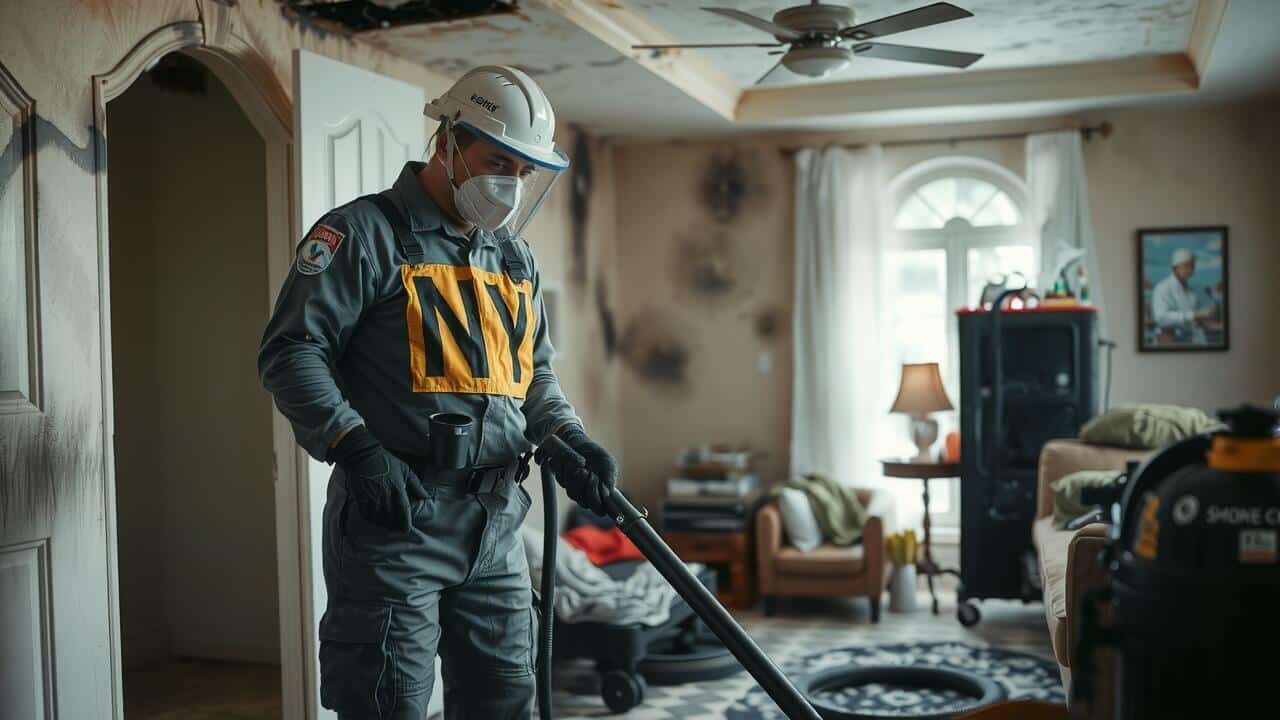

Table Of Contents
Cleaning Techniques for Smoke Residue
Removing smoke residue requires targeted cleaning techniques to effectively restore surfaces impacted by fire or smoke. Start with dry cleaning methods for porous materials like walls and ceilings. Soft cloths or sponges can help lift soot without rubbing the particles deeper into the surface. Additionally, vacuuming with a HEPA filter attachment can eliminate loose debris, ensuring a cleaner environment for further treatment.
For non-porous surfaces, using a mix of water and specific cleaners is crucial. Solutions containing vinegar or baking soda can break down the stubborn residue. In cases of severe damage, applying a commercial smoke damage cleanup product designed for the specific surface can provide better results. Always remember to test any cleaning solution on a small, inconspicuous area before full application to avoid further damage.
Recommended Cleaning Products and Methods
When tackling smoke damage cleanup, it is essential to use the right cleaning products. Begin with a mixture of warm water and a mild detergent to remove surface residue. Baking soda is also an excellent option; it neutralizes odors while providing gentle abrasion for scrubbing. For tougher stains, consider using a degreaser or an enzyme cleaner, which can break down the compounds that cause discoloration and lingering smells.
In addition to cleaning solutions, some tools can enhance the effectiveness of your efforts. Microfiber cloths work well for trapping particles without spreading them further. A soft-bristle brush can reach crevices where soot accumulates. For larger areas, use a vacuum equipped with a HEPA filter to capture fine particles efficiently. Utilizing these recommended products and methods can significantly improve the outcome of your smoke damage cleanup.
Professional Restoration Services
When dealing with extensive smoke damage, professional restoration services can provide the expertise needed to address the issue effectively. These specialists are equipped with advanced tools and techniques specifically designed for smoke damage cleanup. They understand the complexities of smoke residue and the potential health risks associated with lingering contaminants. Their training allows them to assess the damage accurately and develop a comprehensive plan tailored to the specific needs of each property.
Engaging experts for smoke damage cleanup not only ensures thorough removal of soot and odors but also helps prevent further deterioration of the property. Professionals can identify areas that might not be easily visible to the untrained eye, such as within walls or behind surfaces. Their attention to detail and access to high-powered cleaning agents can significantly improve the outcome of restoration efforts, allowing for a safer and healthier living environment.
When to Call in the Experts
In cases of extensive smoke damage, homeowners may find themselves overwhelmed by the amount of work required. Smoke damage cleanup can involve intricate processes that demand specialized knowledge and equipment. Professional restoration services have the expertise to restore heavily affected areas efficiently. They can assess the extent of the damage and determine the best course of action, ensuring that all traces of smoke are effectively removed.
If the damage includes structural components or if odors persist despite attempts to clean, it’s wise to consider hiring professionals. Mold growth can also become an issue if moisture is introduced during cleanup, which experts can mitigate. By opting for professional assistance, homeowners can ensure a thorough and safe resolution to smoke damage cleanup, protecting their property and health in the long run.
DIY Restoration Tips
Restoring a space affected by smoke damage requires both patience and the right approach. Begin by assessing the extent of the damage and gathering your cleaning supplies. For smoke damage cleanup, it’s essential to have items such as microfiber cloths, buckets, sponges, and a vacuum with a HEPA filter. These tools will help in effectively removing residue from surfaces and improving indoor air quality.
Focus on ventilating the area to disperse lingering odors. Open windows and doors to create airflow. When cleaning walls and ceilings, use a solution of warm water mixed with a mild detergent. For tougher stains or odors, a mixture of vinegar and water can work wonders. Always test a small, inconspicuous area before applying any cleaning solution to ensure that it won’t damage the surfaces. After cleaning, consider using an air purifier to further help eliminate smoke particles from the environment.
Tools and Supplies You’ll Need
For effective smoke damage cleanup, having the right tools and supplies is essential. Begin with protective gear such as gloves, masks, and goggles to keep yourself safe while working. You’ll need buckets, scrub brushes, and sponges for washing surfaces. A vacuum with a HEPA filter can help remove soot from carpets and upholstery. Ensure you have plenty of absorbent cloths and paper towels on hand to tackle any residue.
In addition to cleaning tools, certain specialized products can enhance your smoke damage cleanup efforts. Look for degreasers, enzyme cleaners, and specific soot removers designed for various surfaces. Baking soda can serve as an effective deodorizer, while white vinegar can help neutralize odors. If you plan to clean fabrics, consider having fabric-safe cleaners and spot treatment products readily available. Access to these supplies will streamline the process and improve your chances of restoring your space effectively.
FAQS
Can smoke damage be completely reversed?
While it may be possible to clean and restore some surfaces affected by smoke damage, complete reversal depends on the extent of the damage. In some cases, professional restoration services may be required to achieve optimal results.
What are the best cleaning techniques for smoke residue?
Effective cleaning techniques for smoke residue include using a combination of dry cleaning sponges, vacuuming with HEPA filters, and applying appropriate cleaning solutions for different surfaces.
When should I consider hiring professional restoration services for smoke damage?
You should consider hiring professionals when the smoke damage is extensive, when the odor persists after DIY cleaning, or when structural components of your home may be affected.
What DIY restoration tips can I use to address smoke damage?
DIY restoration tips include ventilating the area, using baking soda to absorb odors, and cleaning surfaces with vinegar or specialized smoke damage cleaners. Ensure you have the necessary tools and supplies for effective cleaning.
Are there specific products recommended for cleaning smoke damage?
Yes, recommended products include enzyme-based cleaners, degreasers, and specialized smoke odor eliminators. Always follow the manufacturer’s instructions for effective use.
Related Links
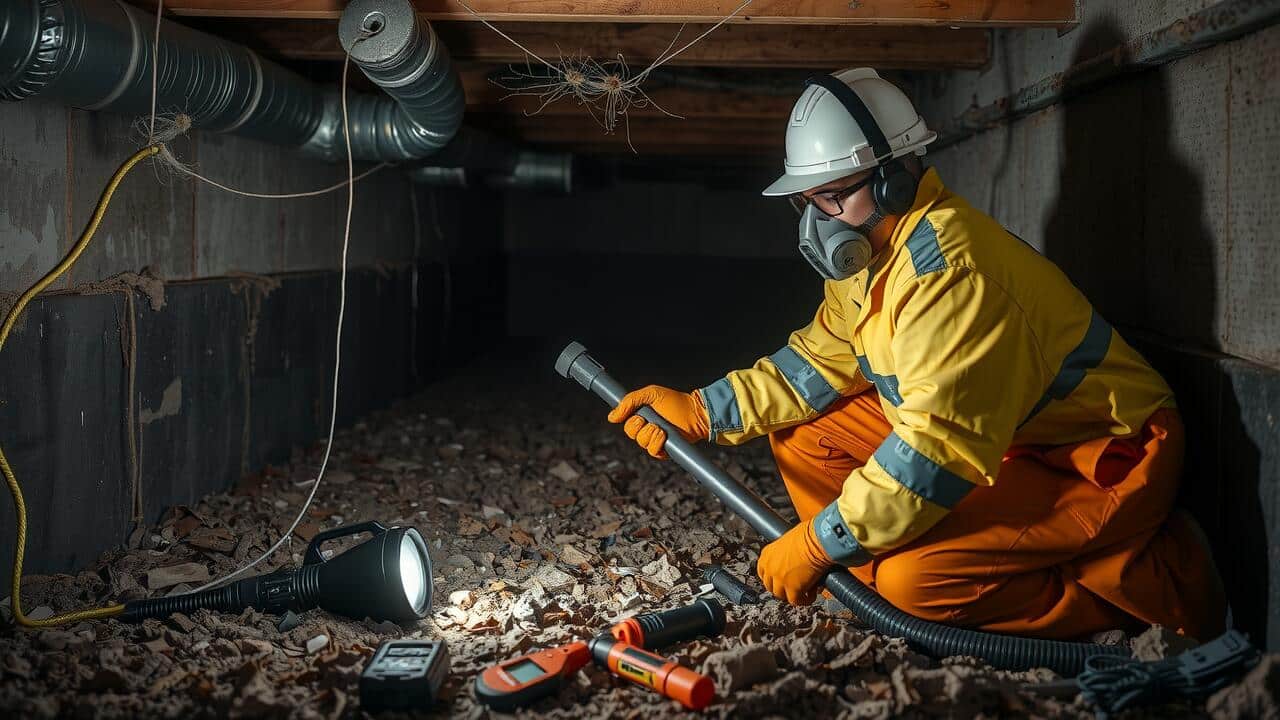
Table Of Contents
Importance of Regular Crawl Space Maintenance
Crawl space maintenance is essential for preserving the integrity of a home. Regular inspections can prevent costly damage caused by moisture, pests, and structural issues. Failing to attend to this often-overlooked area can lead to severe problems, such as wood rot and damage to insulation. Homeowners should prioritize crawlspace cleanup to ensure a safe living environment and protect their property investment.
The benefits of keeping a crawl space clean extend beyond structural maintenance. A clean crawl space helps control humidity levels, reducing the likelihood of mold formation and pest infestations. This not only improves indoor air quality but also enhances energy efficiency. Regular crawlspace cleanup contributes to a healthier home, where residents can feel secure and comfortable.
Benefits of Keeping Your Crawl Space Clean
A clean crawl space contributes significantly to the overall health and safety of your home. It helps prevent the growth of mold and mildew, which can lead to various health problems, including respiratory issues and allergies. Regularly investing in Crawlspace Cleanup can improve indoor air quality, reducing the risks associated with toxins and allergens that might seep into your living areas. Homeowners often appreciate the peace of mind that comes with knowing their crawl space is free from contaminants.
Moreover, maintaining a clean crawl space can enhance the structural integrity of your home. Excess moisture and debris can weaken foundations and lead to more significant issues over time, such as sagging floors and wood rot. Routine Crawlspace Cleanup mitigates these risks, ensuring that your property remains durable and valuable. Additionally, it can help reduce energy costs by promoting better insulation and preventing drafts, creating a more comfortable living environment.
Signs Your Crawl Space Needs Cleaning
Homeowners should be vigilant for specific signs that indicate a crawl space needs cleaning. Unpleasant odors emanating from the crawl space often suggest moisture issues or the presence of mold. Furthermore, rusting HVAC ducts or pipes can signal excessive humidity levels. Pests, such as rodents or insects, are also clear indicators that the space requires attention.
Another essential sign to monitor is the presence of water or puddles in the crawl space. This situation can lead to serious structural damage if left unaddressed. Additionally, any visible mold growing on surfaces is a critical issue that necessitates immediate crawlspace cleanup. Ensuring that the crawl space remains dry and free from contaminants is vital for maintaining overall home health.
Common Indicators to Look Out For
When assessing whether your crawl space requires cleaning, there are several telltale signs to consider. A musty odor may permeate from the area, indicating potential mold or mildew growth. Visible signs of dampness or water pooling also warrant immediate attention, as they can lead to structural issues and more severe health problems. Additionally, if you notice an influx of pests such as rodents or insects, this might suggest that your crawl space is harboring not just unwanted guests but also hazardous conditions that call for a thorough Crawlspace Cleanup.
Another critical indicator of a unkempt crawl space is the presence of discoloration on the walls or insulation. Staining often suggests moisture problems that could further attract pests or promote mold growth. Furthermore, a sudden increase in energy bills may point to poor insulation, which might stem from a neglected crawl space environment. Regular inspections for these signs can prevent costly repairs in the future and ensure a healthy living space for all occupants.
Health Risks Associated with Neglected Crawl Spaces
Neglecting a crawl space can lead to serious health risks for homeowners. The presence of moisture often encourages mold and mildew growth, which can release spores into the air. These spores may trigger allergic reactions and respiratory issues for individuals living in the home. The risk increases for those with pre-existing conditions such as asthma or chronic respiratory diseases. Regular crawlspace cleanup is essential in preventing these harmful conditions from developing.
In addition to mold and mildew, a neglected crawl space can also harbor pests like rodents and insects. These infestations not only pose health risks but can also lead to structural damage over time. Rodents are known carriers of various diseases, and their droppings can contaminate the air and surfaces within the home. Addressing these issues through routine crawlspace cleanup helps to maintain a safe living environment and protects the structural integrity of the house.
Mold, Mildew, and Allergens
Mold and mildew thrive in damp, dark environments, making crawl spaces an ideal breeding ground. Poor ventilation and moisture intrusion create conditions that allow these fungi to multiply unchecked. This growth can lead to structural damage and can affect the air quality throughout your home. Regular crawlspace cleanup effectively removes these harmful organisms, reducing the risk of infestations and subsequent health issues.
Allergens often accumulate in neglected crawl spaces, exacerbating respiratory problems for occupants. Dust mites, rodent droppings, and other contaminants can unleash particles that circulate throughout the living areas. A thorough crawlspace cleanup not only eliminates these allergens but also contributes to a healthier indoor environment. By maintaining the cleanliness of this often-overlooked space, homeowners can safeguard their family’s well-being.
FAQS
What factors influence the cost of cleaning a crawl space?
The cost of cleaning a crawl space can be influenced by several factors, including the size of the space, the level of contamination, the accessibility of the area, and the specific services required, such as mold remediation or insulation replacement.
How often should I clean my crawl space?
It’s generally recommended to inspect and clean your crawl space every 1 to 3 years. However, if you notice signs of moisture, mold, or pests, it’s best to address these issues immediately.
Can I clean my crawl space myself to save money?
While it’s possible to clean your crawl space yourself, it’s often best to hire professionals, especially if there’s severe contamination or structural concerns. Professionals have the necessary equipment and expertise to ensure the job is done safely and effectively.
What is the average cost to clean a crawl space?
The average cost to clean a crawl space can range from $500 to $2,500, depending on the conditions and extent of the cleaning required. It’s advisable to get quotes from different service providers for a more accurate estimate.
Are there any additional costs I should be aware of when cleaning a crawl space?
Yes, additional costs may include mold remediation, repairs to insulation or vapor barriers, pest control services, and any necessary structural repairs. Always discuss potential extra costs with your service provider before starting the work.
Related Links
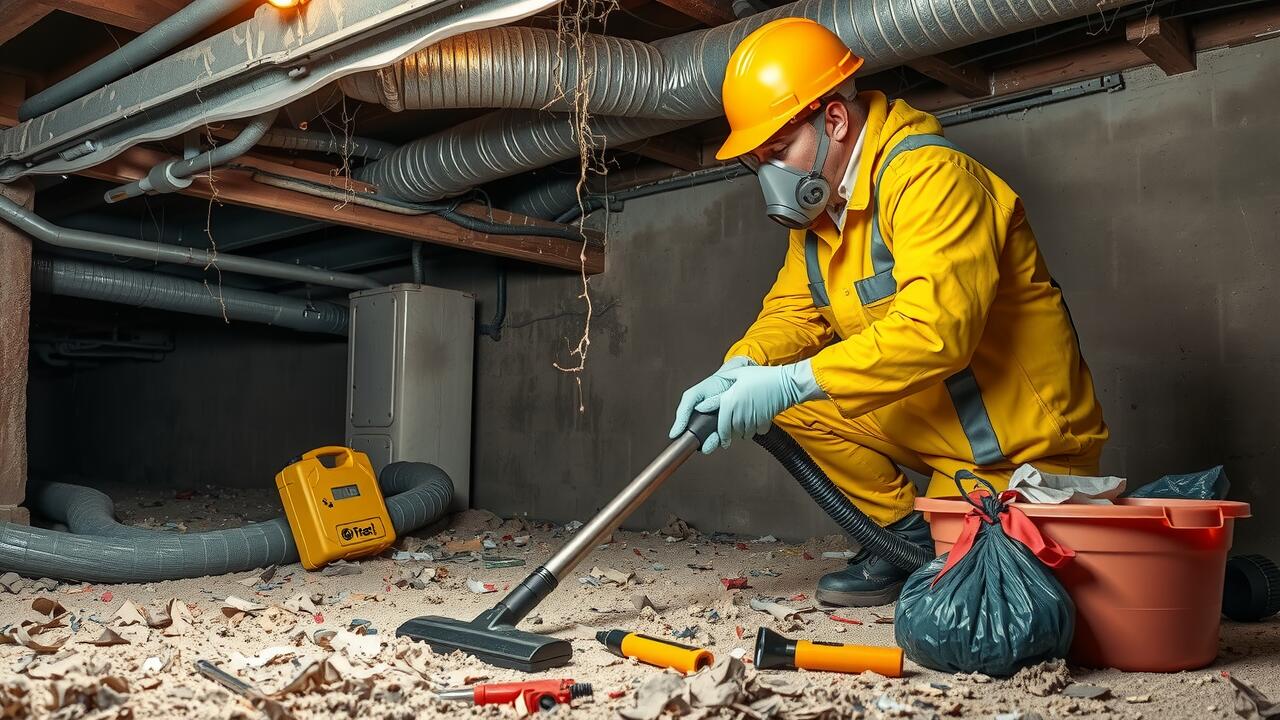

Table Of Contents
Cleaning Floors and Walls
Cleaning the floors and walls of a crawl space is crucial for maintaining a healthy environment. Begin by removing any debris, such as leaves, dirt, or old insulation. Invest in a utility vacuum or a manual broom for thorough cleaning. Once loose material is removed, scrub the walls and floors using a mixture of water and a mild detergent. This will help eliminate any mold or mildew buildup, which can lead to more significant issues if left untreated. For those unsure of where to start, searching for “Crawlspace Cleanup near me” can provide local professionals who specialize in this type of work.
After scrubbing, it’s essential to inspect for any signs of moisture. Wet spots or mold growth should be addressed promptly to prevent further damage. If the crawl space has vents, ensure they are clear and functional to promote airflow. Proper ventilation aids in reducing humidity levels, which is beneficial for keeping the space dry. Regular maintenance will help keep the crawl space clean and reduce the risk of pests and other problems down the line.
Step-by-Step Cleaning Instructions
Begin by gathering your cleaning supplies. A mask, gloves, and thick clothing are essential for personal protection. Use a broom to clear away any loose debris on the floor and walls. A shop vacuum can be effective in removing dust, dirt, and smaller particles. If the space is particularly dirty, consider dampening the broom to help contain the dust. After the initial sweep, scrub the walls with a mixture of water and mild detergent. Pay close attention to any areas showing mildew or mold growth.
Next, focus on the floor. If there are any stains or accumulated grime, use a stronger cleaner, depending on the material of your crawl space’s flooring. After thoroughly cleaning, assess the humidity levels in the area using a hygrometer. This will help determine if further moisture control measures are needed. For those unsure about handling cleanup on their own, searching “Crawlspace Cleanup near me” can provide local professionals who specialize in these services for more extensive cleaning and maintenance.
Inspecting for Pests
Inspecting a crawl space for pests is essential to maintain a safe and healthy home environment. Look for signs of infestation such as droppings, gnaw marks, and shredded insulation. Mice and rats often leave trails of droppings, while termites produce mud tubes. Identify any nests or crawling insects, as these can indicate larger infestations. Regular inspections can help catch these issues early before they escalate.
If you suspect a pest problem, act promptly. Local pest control services can assist in thorough inspections and provide effective removal solutions. Searching online for “Crawlspace Cleanup near me” can connect you with professionals who specialize in both cleanup and pest control. Addressing these issues quickly not only protects your property but also enhances the overall air quality within your home.
Signs of Infestation and Removal
Identifying signs of infestation in a crawl space requires vigilance. Homeowners should look for droppings or exoskeletons, which can indicate the presence of rodents or insects. Additionally, unusual odors can signal moisture issues and pest presence. Conducting a thorough inspection helps detect these warning signs early, preventing a more significant infestation from developing.
If pests are found, immediate action is necessary. Removing infested materials and using traps or baits can help eliminate the problem. For long-term solutions, consider hiring professionals who specialize in pest control. Searching for “Crawlspace Cleanup near me” can connect you with experts who can assess the situation and provide effective removal strategies.
Sealing Cracks and Gaps
Sealing cracks and gaps in a crawl space is a vital step in maintaining its integrity and preventing moisture intrusion. Apply caulking or foam sealants to any visible openings around pipes, vents, and joints. These products create an airtight barrier, reducing humidity levels and blocking unwanted pests. Focus on areas where different materials meet, as they often present opportunities for air and moisture leaks. Regular inspection of these seals will ensure they remain effective over time.
If you’re unsure about the best materials to use, researching “Crawlspace Cleanup near me” can provide valuable references. Many local services offer recommendations on sealants specifically designed for crawl spaces, considering factors such as humidity levels and regional climate. Additionally, opting for professional help can guarantee that all vulnerable areas are addressed thoroughly, ensuring that your crawl space remains dry and protected from potential damage.
Materials for Effective Sealing
When sealing cracks and gaps in a crawl space, selecting the appropriate materials is crucial for long-lasting effectiveness. Expanding foam sealants are popular choices for their ease of application and ability to fill irregular spaces. Caulk is another reliable option, especially for smaller gaps. It provides a smooth finish and can help protect against moisture and pests. For larger openings, consider using concrete patches or weatherstripping, as they offer stronger protection.
To ensure a proper seal, it’s essential to clean the area before applying any materials. Dust and debris can compromise adhesion, leading to potential leaks. Many homeowners search for “Crawlspace Cleanup near me” to find local professionals who can assist with this preparation work. This search can lead to efficient solutions and expert recommendations tailored to the specific needs of the crawl space.
FAQS
What is the first step in cleaning a dirty crawl space?
The first step is to clear out any debris, trash, or old insulation from the crawl space to create a clean working area.
How do I know if my crawl space has a pest infestation?
Signs of infestation may include droppings, nests, chewed materials, and visible pests. Regular inspections can help identify any issues early.
What materials are best for sealing cracks and gaps in a crawl space?
Common materials for sealing include caulk, spray foam insulation, and weatherstripping, which can effectively close gaps and prevent moisture entry.
How often should I clean and inspect my crawl space?
It is recommended to clean and inspect your crawl space at least once a year, or more frequently if you notice signs of moisture or pest activity.
Is it necessary to wear protective gear when cleaning a crawl space?
Yes, wearing protective gear such as gloves, masks, and knee pads is important to protect yourself from dust, mold, and potential pests during the cleaning process.
Related Links

Table Of Contents
DIY vs. Professional Services
Water Damage Cleanup can often be approached as a DIY project for those with practical skills and the right tools. Homeowners may find online resources and guides helpful in managing minor incidents. Basic tasks like removing water with a wet/dry vacuum or using fans to dry out affected areas can be effective in preventing further damage. However, DIY efforts might lack the thoroughness required for larger or more complicated situations. Risk factors such as hidden moisture or mold growth also increase the chances of underestimating the extent of the cleanup needed.
On the other hand, professional services offer expertise that comes with experience and specialized equipment. Trained technicians conduct comprehensive assessments and employ industry-standard practices to tackle water damage effectively. They can handle hazardous situations that may arise from contaminated water or structural issues. While hiring professionals might represent a greater upfront cost, the assurance of a thorough Water Damage Cleanup process often outweighs the potential for future problems that could arise from inadequate remediation efforts.
Pros and Cons of Each Approach
When considering DIY water damage cleanup, one main advantage is the potential cost savings. Handling the cleanup process yourself allows you to avoid labor fees associated with professional services. Additionally, you can work at your own pace and may feel a sense of accomplishment by resolving the issue independently. However, there are significant drawbacks, including the risk of inadequate cleaning techniques and the possible oversight of hidden damages. Without the right expertise, homeowners might overlook severe problems, leading to further complications down the line.
On the other hand, hiring professional services for water damage cleanup offers assurance of a thorough and effective process. Experts possess the necessary equipment and knowledge to handle various types of water damage efficiently. This includes not only cleanup but also steps to prevent future issues like mold growth. However, the cost of professional services can be a substantial drawback, especially for those on a tight budget. Homeowners must weigh the immediate financial impact against the potential long-term benefits of ensuring a safe and healthy living environment.
Additional Costs to Consider
When dealing with water damage cleanup, several additional costs can arise beyond the initial repair estimates. Homeowners might need to invest in specialized equipment for thorough drying, such as dehumidifiers and fans. In cases where water has infiltrated walls or floors, there may be expenses related to removing and replacing affected materials, which can significantly increase the overall cost.
Another important factor is the potential need for mold remediation, especially if the water damage cleanup process is delayed. Mold can develop quickly in damp environments and may pose health risks to inhabitants. Hiring professional mold removal services can add to the final bill, but it is often necessary to ensure a safe living environment.
Mold Remediation and Repairs
Mold remediation is a critical aspect of water damage cleanup, as mold can begin to develop within 24 to 48 hours of water exposure. If left untreated, it can lead to serious health issues and increased repair costs. A thorough inspection is necessary to identify the extent of the mold growth. This typically involves assessing the air quality, surfaces, and hidden areas where moisture may accumulate. Effective remediation requires specialized equipment and techniques to ensure that all mold spores are removed safely.
Repairs often follow the mold remediation process. Once the affected areas have been treated and cleared of mold, restoration is needed to bring the space back to its original condition. This may include replacing drywall, flooring, and insulation, depending on the damage severity. Restoration costs can vary significantly based on the materials involved and the required labor. Proper mold remediation and repairs not only ensure a safe environment but also help to prevent future issues related to water damage cleanup.
Steps in the Cleanup Process
The steps in the cleanup process for water damage begin with an initial assessment of the affected area. This evaluation determines the extent of the damage and outlines the necessary actions for effective water damage cleanup. Homeowners should identify the source of the water intrusion, whether it is a leaky roof, burst pipe, or flooding. Once the cause is addressed, the area should be secured to prevent further damage and ensure safety.
After the initial assessment, mitigation techniques come into play. This can include removing standing water using pumps or wet vacuums, followed by drying out the affected spaces using fans and dehumidifiers. Throughout this phase, professional services may be required to ensure that all water is removed and that structural components are preserved. Effective water damage cleanup is crucial in minimizing long-term problems, such as mold growth or compromised building materials.
Initial Assessment and Mitigation
The initial assessment is a critical step in any water damage cleanup process. This involves thoroughly inspecting the affected areas to determine the extent of the damage. Professionals often use specialized equipment, such as moisture meters and thermal imaging cameras, to identify hidden moisture and structural issues. A detailed assessment helps in formulating the right action plan tailored to the specific situation. The quicker this step is completed, the faster the mitigation can begin.
Mitigation involves taking immediate actions to prevent further damage. This may include removing standing water, drying out the affected area, and preventing mold growth. Professionals typically employ industrial-grade dehumidifiers and fans to expedite the drying process. Addressing these issues promptly can significantly reduce overall repair costs and help protect your property from long-term damage.
FAQS
What are the average costs associated with cleaning up water damage?
The average costs can range from $1,000 to $5,000, depending on the extent of the damage, the affected area, and whether you choose to handle the cleanup yourself or hire professionals.
Is it cheaper to do water damage cleanup myself?
While DIY cleanup can save on labor costs, it may not be as effective as professional services, especially for extensive damage. Additionally, you may incur costs for equipment rental and materials, as well as the risk of not addressing hidden issues like mold.
What factors influence the cost of professional water damage cleanup?
Factors include the size of the affected area, the type and extent of the damage, the materials involved, the need for specialized equipment, and the inclusion of services like mold remediation or structural repairs.
How can I prevent mold growth after water damage?
To prevent mold growth, ensure thorough drying of all affected areas within 24-48 hours, use dehumidifiers, and consider applying anti-mold treatments. Professional services can also address this effectively.
Are there any additional costs I should be aware of beyond the cleanup?
Yes, additional costs may include mold remediation, structural repairs, replacement of damaged materials, and potential increases in insurance premiums following a claim.
Related Links
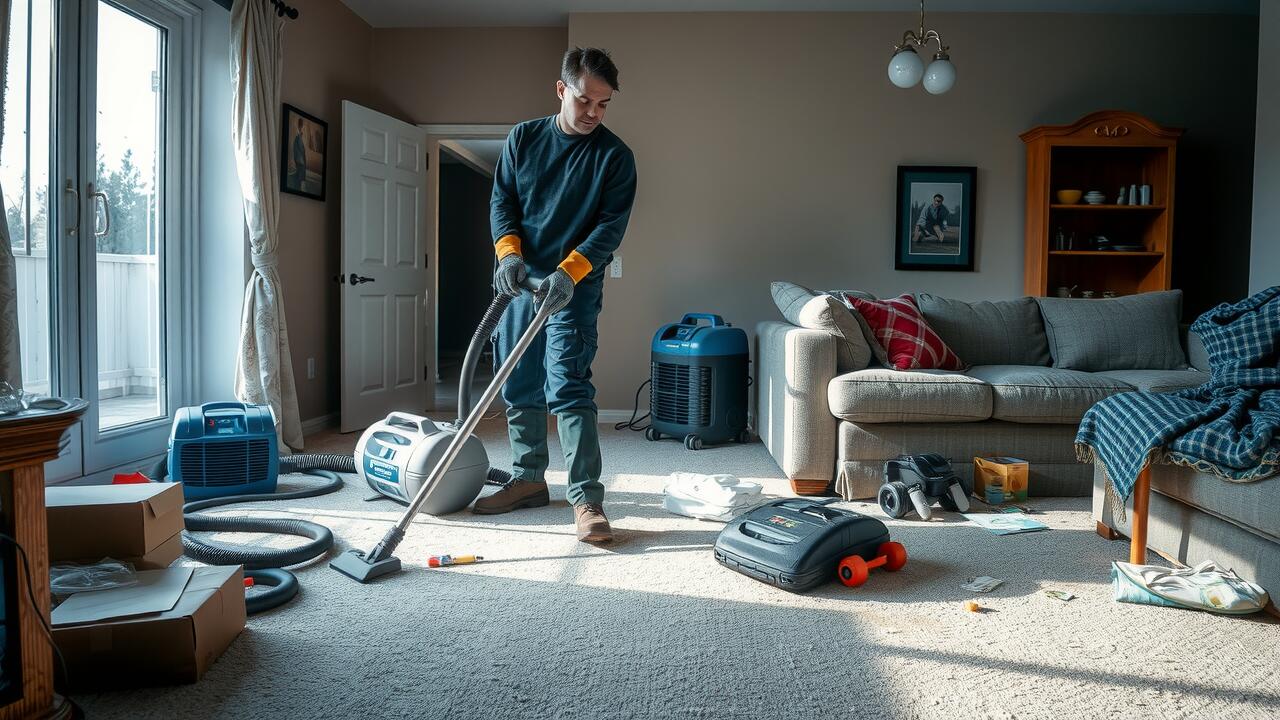
Table Of Contents
Signs Your Crawl Space Needs Attention
Crawl spaces can be easily overlooked, but several signs indicate they require immediate attention. A musty smell wafting up into your home often signals mold growth, which thrives in damp conditions. Visible water damage, such as pooled water or moisture stains on the walls, also points to potential plumbing issues or drainage problems that need addressing.
Another crucial indicator is the presence of pests. Termites, rodents, and insects are drawn to damp and dark environments, making your crawl space an ideal habitat for infestation. Observing excessive dust or cobwebs can also suggest stagnant air, which can hinder ventilation and worsen existing problems. Regular Crawlspace Cleanup in these areas can prevent significant damage and promote a healthier living environment.
Key Indicators to Look Out For
Certain signs can indicate that your crawl space requires immediate attention. Unpleasant odors often signify the presence of mold or mildew, which thrive in damp environments. Excessive humidity can lead to structural damage over time. Pests like rodents and insects are also common indicators of an unclean crawl space. Their presence can indicate that the area is a suitable habitat due to neglected conditions.
Inspect any visible structures and insulation in the crawl space. Discolored or damp insulation may suggest water intrusion or inadequate ventilation. Additionally, standing water or pooling around foundation walls is a critical issue. Regular crawlspace cleanup in affected areas can help prevent these problems from escalating. Noticing these indicators early can save homeowners from more extensive repairs down the line.
The Cleaning Process Explained
The first step in the cleaning process involves a thorough inspection of the crawl space. Look for signs of moisture, mold, and pest infestations. Remove any debris and damaged materials to create a clean working environment. This preliminary assessment helps identify specific issues that need addressing during the cleanup. Once the inspection is complete, it’s essential to ensure proper ventilation and moisture control to prevent future problems.
After completing the inspection, you can move on to actual cleaning. Vacuum the area using a heavy-duty wet/dry vacuum to remove dust, dirt, and any remaining debris. Consider using disinfectants or mold inhibitors on surfaces to address any existing mold growth. Proper disposal of contaminated materials is also crucial during Crawlspace Cleanup in homes. Maintaining a clean crawl space not only improves indoor air quality but also prevents structural damage over time.
Step-by-Step Crawl Space Cleaning
Cleaning a crawl space involves several key steps to ensure a thorough and effective process. Begin by clearing out any stored items, debris, or old insulation. Use a mask and gloves to protect yourself from dust and allergens. Once the area is clear, check for signs of moisture, mold, or pests. Identify any issues that may need addressing before proceeding further. Make sure to take note of areas that may require repairs or additional attention.
Next, perform a detailed cleaning of the space. This includes vacuuming the floors and walls to eliminate dust and dirt. If mold is present, use a suitable cleaner to treat the affected areas. After cleaning, consider applying a sealant to the walls and installing a vapor barrier to prevent moisture from seeping in. For those considering professional help, look for services offering Crawlspace Cleanup in your area to ensure the job is done correctly.
Preventative Measures to Avoid Future Issues
Regular maintenance is essential to prevent issues in your crawl space. Proper ventilation can significantly reduce humidity levels, thereby minimizing the risk of mold growth and pest infestation. Installing vapor barriers can be an effective way to control moisture from the ground. It is also worth considering the installation of sump pumps or dehumidifiers to further manage water ingress. Both of these measures help maintain a dry environment that discourages mold and decay, making crawlspace upkeep easier in the long run.
Crawlspace Cleanup in areas prone to flooding or heavy rain deserves special attention. Regular inspections should become a routine practice for homeowners, allowing for the early detection of potential problems. Trimming tree branches away from the foundation prevents water from pooling near the crawl space. Ensuring proper grading around the home directs water away from the structure, which also helps protect the crawl space. By implementing these preventative measures, homeowners can safeguard their crawl spaces against future issues and prolong the life of their homes.
Long-Term Solutions for Crawl Space Maintenance
To maintain a clean and healthy crawl space, routine inspections play a crucial role. Regularly checking for signs of moisture, mold, or pest infestations can help catch issues before they escalate. Homeowners should consider setting a schedule for these inspections, perhaps every six months, as changing seasons can bring different challenges. Additionally, ensuring proper ventilation can help regulate humidity levels, reducing the risk of mold growth significantly.
Implementing effective drainage systems is another long-term solution. Proper drainage channels can direct water away from the foundation, minimizing moisture intrusion. Investing in high-quality encapsulation materials can also serve to protect the crawl space from external elements. For those seeking professional assistance, services like Crawlspace Cleanup in your area can provide expertise and tailored solutions to maintain a dry, safe crawl space environment.
FAQS
Why is it important to clean a crawl space?
Cleaning a crawl space is important because it helps prevent mold growth, pest infestations, and structural damage to your home. A clean crawl space also improves indoor air quality and can contribute to better energy efficiency.
How often should I clean my crawl space?
It is recommended to inspect and clean your crawl space at least once a year. However, if you notice signs of moisture, pests, or other issues, you should address them immediately regardless of the schedule.
What are the signs that my crawl space needs cleaning?
Signs that your crawl space needs cleaning include musty odors, visible mold or mildew, excessive dust and dirt, signs of pests, and moisture buildup. If you notice any of these indicators, it may be time to clean your crawl space.
Can I clean my crawl space myself, or should I hire a professional?
While some homeowners may choose to clean their crawl space themselves, hiring a professional is often recommended, especially for extensive cleaning or if there are significant issues such as mold or pest infestations.
What preventative measures can I take to maintain a clean crawl space?
Preventative measures include ensuring proper ventilation, installing a vapor barrier, maintaining proper drainage around your home, and regularly inspecting for signs of moisture or pests. These steps can help keep your crawl space clean and dry in the long term.