Category: Uncategorized
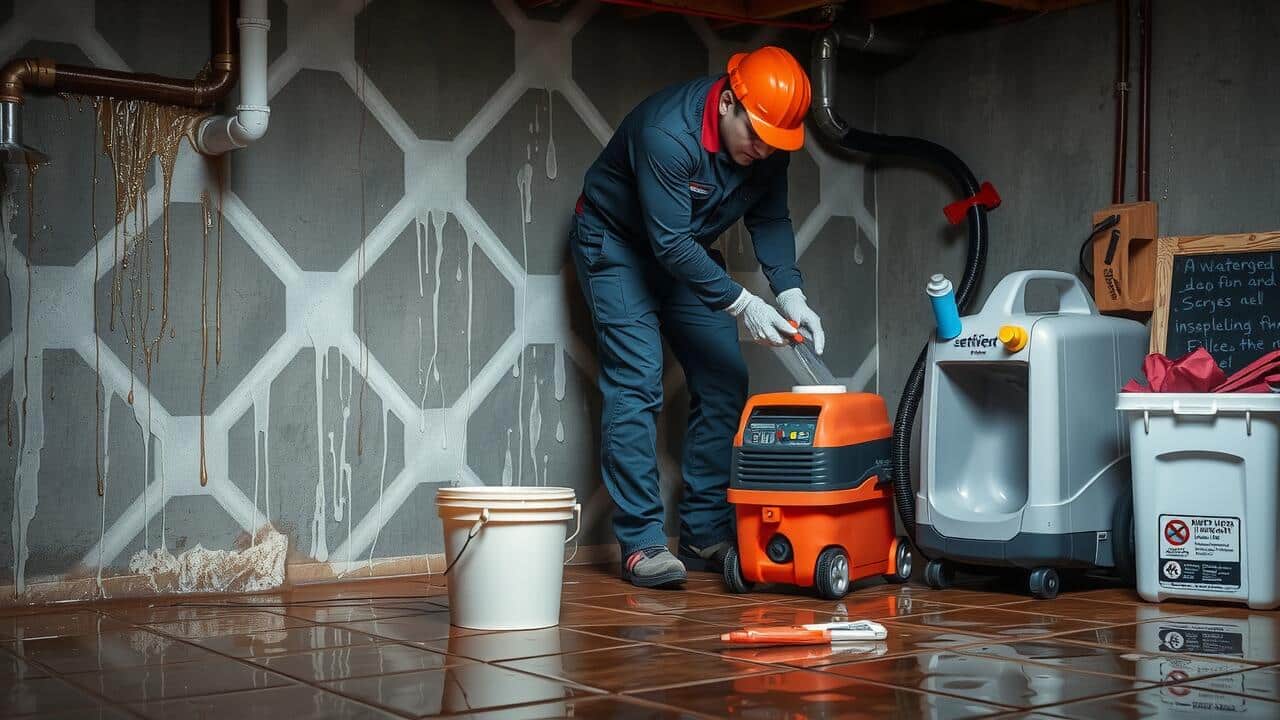
Table Of Contents
Insurance Coverage for Water Damage
Homeowners insurance often provides coverage for water damage repair, but specifics can vary significantly between policies. Many policies cover damages caused by sudden or accidental incidents, such as burst pipes or overflowing appliances. Understanding the terms of your specific coverage is essential. Property owners should review their policies to know what incidents are included and whether they have adequate coverage.
However, certain circumstances may fall outside the policy’s coverage. For instance, damages resulting from long-term leaks or poor maintenance typically are excluded. Policyholders may also face limits or deductibles that influence the overall cost of water damage repair. It is crucial to clarify these details with your insurance provider before any repairs begin, ensuring that you are financially prepared.
Understanding Policy Exclusions
Homeowners often assume that their insurance covers all types of water damage repair. However, many policies have specific exclusions that can leave homeowners vulnerable to out-of-pocket expenses. For instance, damage resulting from flooding or a lack of proper maintenance is frequently not covered. It’s crucial to carefully review your insurance policy to understand what situations are included and which ones are excluded.
Additionally, some policies may only cover water damage repair up to a certain limit or under specific circumstances. Homeowners should consider endorsements or add-ons for comprehensive coverage if they live in high-risk areas. Knowing the nuances of your policy can save significant amounts in costs during a water damage event.
Additional Costs to Consider
When dealing with water damage repair, additional costs often arise beyond the immediate remediation efforts. Homeowners might need to factor in expenses related to replacing damaged fixtures, flooring, or drywall. Any structural damage may require professional assessment and repair, which can significantly add to the overall cost. Additionally, if the water source persists, ongoing expenses such as utility bills for water usage will also accumulate during the repairs.
Unexpected delays in the repair process can lead to further expenses. If mold remediation is necessary, this specialized service can increase the total investment required to restore a property. Moreover, there may be costs associated with temporary housing if the home becomes unlivable during extensive water damage repair. Understanding these potential additional costs is crucial for homeowners planning their budgets effectively.
Related Services and Repairs
Related services and repairs can significantly impact the overall cost of water damage repair. Often, homeowners may need to address issues such as mold remediation, especially if the water damage has persisted for an extended period. Mold growth can not only affect the aesthetics of a property but also pose serious health risks. Treating this problem usually involves specialized services and equipment, which can add to the expenses incurred during the repair process.
Additionally, plumbing repairs may be necessary if the source of the water damage was a leak or burst pipe. Repairing or replacing plumbing components might be essential to prevent future incidents. It is important to consider these related services in the overall budget for water damage repair, as neglecting them can lead to recurring issues and increased costs down the line. Homeowners should assess their specific situation and determine the best course of action for both immediate repairs and long-term maintenance.
Preventative Measures
Taking proactive steps can significantly reduce the risk of water damage in your home. Regular maintenance is essential. Inspecting roofs, gutters, and downspouts helps ensure they are clear of debris and functioning properly. Addressing any leaks in plumbing fixtures or appliances promptly can prevent larger issues down the line. Investing in high-quality weatherproofing materials for windows and doors can also mitigate water intrusion during heavy rains.
In addition to routine inspections, consider installing a sump pump in areas prone to flooding. This device actively removes excess water, minimizing the likelihood of severe damage. A water alarm system can alert homeowners to leaks before they escalate. These preventative measures not only save you from the hassle of water damage repair but can also preserve the integrity of your property over time.
Long-Term Solutions to Avoid Future Damage
Investing in long-term solutions to prevent water damage can save both money and stress in the future. Regular maintenance of roofs, gutters, and drainage systems reduces the risk of leaks and flooding. Homeowners should conduct routine inspections to identify vulnerabilities and address minor issues before they escalate. Upgrading to water-resistant materials, like waterproof paint or resilient flooring, can further mitigate potential damage.
Additionally, installing sump pumps in basements and ensuring proper landscaping can guide excess water away from the foundation. Consider incorporating moisture detectors and automatic shut-off systems, which can provide early warnings and prevent significant issues. These proactive measures not only protect a property but also minimize the need for extensive water damage repair, which can be costly and time-consuming.
FAQS
What is the average cost of water damage repair?
The average cost of water damage repair can range from $1,000 to $5,000, depending on the extent of the damage and the type of repairs needed.
Does homeowners insurance cover water damage repairs?
Homeowners insurance often covers water damage, but coverage can vary based on the cause of the damage. It’s important to review your policy for specific terms and exclusions.
What are common exclusions in water damage insurance policies?
Common exclusions may include damage from flooding, gradual leaks, or wear and tear. It’s essential to understand your policy to know what is and isn’t covered.
Are there additional costs associated with water damage repair?
Yes, additional costs may include mold remediation, structural repairs, or related services like electrical or plumbing work. Always get a detailed estimate before proceeding with repairs.
What preventative measures can I take to avoid future water damage?
Preventative measures include regular inspections of plumbing and appliances, ensuring proper drainage around your home, and investing in water detection systems.
Related Links

Table Of Contents
The Role of Maintenance in Coverage
Home maintenance plays a significant role in determining whether water damage is covered by insurance. Regular upkeep can help prevent leaks, mold growth, and other issues that lead to water damage. Insurance companies often expect homeowners to take proactive steps in maintaining their property. Failing to address minor issues can result in denied claims when significant damage occurs. Homeowners should document maintenance efforts for future reference.
When exploring coverage options, it is essential to understand the relationship between maintenance and policy requirements. Insurers may consider the state of the property when assessing claims for water damage. For homeowners unsure of their maintenance obligations, consulting with local experts or searching for services like “Water Damage Repair near me” can provide valuable insights. Taking preventive measures and maintaining open lines of communication with insurance providers can enhance coverage and ease the claims process.
Preventative Measures for Homeowners
Preventative measures are crucial for homeowners looking to safeguard their properties against water damage. Simple actions, such as regularly checking for leaks in plumbing and ensuring proper drainage around the foundation, can significantly reduce the risk of extensive damage. Homeowners should also consider installing sump pumps in basements or crawl spaces. These systems can effectively remove excess water during heavy rains or after a plumbing failure. Regular maintenance can prolong the life of roof shingles and gutters, which are vital barriers against water intrusion.
In addition to physical upkeep, being proactive in managing home systems is an essential strategy. Homeowners should inspect appliances like washing machines and water heaters for signs of wear or malfunction. Investing in moisture detectors and water alarm systems provides an extra layer of protection, alerting residents to leaks before they escalate. For those facing potential issues, searching for “Water Damage Repair near me” can connect them with professionals who can provide immediate assistance, ensuring that minor problems do not evolve into costly repairs. Implementing these preventative strategies can offer peace of mind and mitigate unforeseen expenses related to water damage.
Understanding Your Policy Language
Understanding the specifics of your insurance policy is crucial when it comes to coverage for water damage. Policies can vary widely in their definitions of what constitutes water damage and under what circumstances it is covered. Some policies might include coverage for sudden and accidental damage caused by a plumbing failure, while others may exclude damages from slow leaks or flooding. Familiarizing yourself with these distinctions can prevent unwelcome surprises when filing a claim.
Homeowners should also pay attention to certain key terms frequently found in policies, such as “sudden and accidental” versus “gradual.” These definitions can significantly impact the extent of your coverage. When searching for solutions like “Water Damage Repair near me,” ensure that you understand if your insurance will cover that specific type of repair. Reviewing your policy regularly and consulting with your insurance agent can help clarify any uncertainties and prepare you for any potential claims.
Key Terms to Know
When navigating the intricacies of homeowners insurance, grasping key terms is essential. Coverage specifics can vary widely depending on individual policies. Familiarity with terms like “perils,” “deductibles,” and “exclusions” will aid in understanding what is covered in the event of water damage. Homeowners should take time to read and comprehend these definitions, especially as they relate to situations like leaks, floods, or burst pipes.
Some homeowners may find themselves searching online for “Water Damage Repair near me” after experiencing an incident. Knowing the limits of coverage, including any caps on reimbursement for repairs, becomes vital in such situations. Additionally, understanding terms related to claims processing can support homeowners in filing effectively and ensuring they receive the appropriate compensation.
Importance of Regular Policy Reviews
Regular policy reviews are essential for homeowners to ensure their insurance coverage aligns with current needs. Circumstances such as renovations, changes in local laws, or shifts in the housing market can significantly impact what protection is necessary. Failing to keep policies updated might lead to gaps in coverage, especially regarding water damage claims. Homeowners should remain proactive in assessing their policies against their property’s status and any potential risks.
Conducting an annual review allows homeowners to understand their coverage better and identify any areas that require adjustments. This practice becomes even more crucial when considering services like “Water Damage Repair near me,” as it ensures that financial protection is in place for unexpected incidents. Engaging with an insurance agent during these reviews can provide insights into available options and necessary endorsements.
Keeping Coverage Updated
Regular policy reviews are essential for ensuring that your coverage remains aligned with your current needs. Life changes, such as renovations or major purchases, can impact the level of protection required for your home. By reviewing your policy periodically, you can adjust your coverage to include new features or changes in value. Homeowners should be proactive in understanding the implications of their coverage as circumstances evolve.
Additionally, staying informed about local market conditions can provide insights into how much coverage you may need. Consulting with your insurance agent can help clarify any confusion regarding policy limits and exclusions. If you’re uncertain about the specifics of your coverage, researching terms like “Water Damage Repair near me” can connect you with local professionals who understand the nature of insurance claims related to water damage.
FAQS
Is all water damage covered by insurance?
Not all water damage is covered by insurance. Coverage often depends on the source of the water damage, such as whether it is due to a sudden event like a burst pipe or a gradual issue like a leaky roof. It’s essential to review your policy for specific coverage details.
What types of water damage are typically covered by homeowners insurance?
Homeowners insurance usually covers sudden and accidental water damage, such as water from a broken pipe or an appliance malfunction. However, it may not cover damage from flooding or long-term leaks that could have been prevented with proper maintenance.
How can I prevent water damage in my home?
Preventative measures include regular maintenance of plumbing, inspecting for leaks, cleaning gutters, and ensuring proper drainage around your home. Homeowners should also be aware of their insurance policy’s requirements for maintaining coverage.
Are there any exclusions for water damage in my policy?
Yes, many insurance policies have exclusions for certain types of water damage, such as flooding or sewer back-ups. It’s crucial to check the specific terms in your policy and consider additional coverage options if needed.
How often should I review my insurance policy for water damage coverage?
It’s recommended to review your insurance policy at least once a year or after any significant life changes, such as renovations or changes in ownership. Regular reviews ensure your coverage remains adequate and up-to-date with your current needs.
Related Links
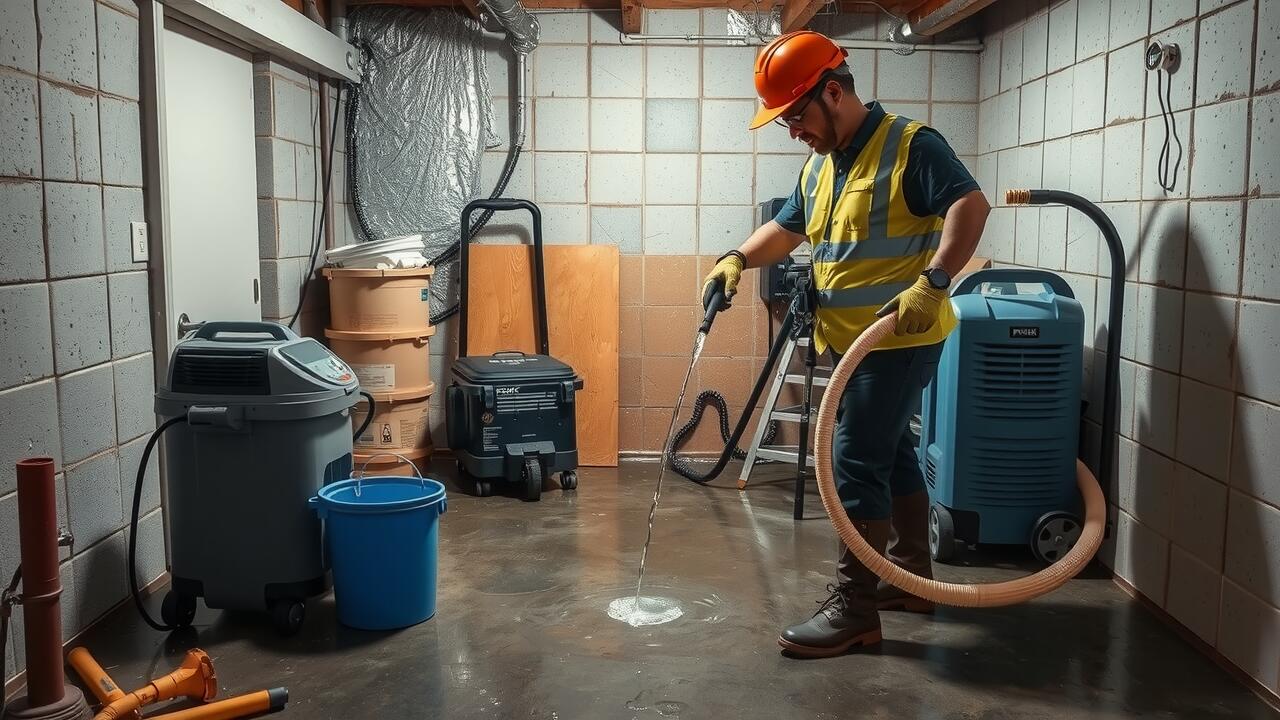

Table Of Contents
DIY Repair Techniques
DIY repair techniques can provide homeowners with a viable approach to address minor water damage issues. Simple methods, such as patching leaks with caulk or applying sealant, can prevent further water intrusion. When it comes to repairing drywall or flooring, assessing the extent of the damage is crucial. Affected areas may require removal and replacement to ensure a solid foundation for restoration.
For effective Water Damage Repair in spaces with minimal damage, addressing the source of the issue first is essential. Once leaks or flooding are resolved, drying out surfaces becomes the next priority. Using fans or dehumidifiers can aid in this process. Homeowners should monitor moisture levels to prevent mold growth and ensure a healthier living environment.
Step-by-Step Guide to Small Repairs
Water damage repair in small areas can often be addressed effectively with straightforward techniques. Start by assessing the damage to determine the extent of the issue. For minor leaks and stains, you may only need basic tools such as a sponge, bucket, and a clean cloth. Begin by removing any debris or standing water in the affected area. Thoroughly clean the surface with a mixture of water and mild detergent to help prevent mold growth.
Next, inspect the walls and ceilings for any signs of bubbling paint or warped surfaces. If you encounter these issues, delicately scrape off the damaged paint and allow the area to dry completely before repainting. Patch any holes or cracks with appropriate filler, ensuring a smooth finish. For further protection, consider applying a sealant to prevent future moisture penetration. Conduct these small repairs promptly to minimize long-term damage and maintain the integrity of your property.
Water Extraction Methods
Effective water extraction is crucial for mitigating the effects of water damage. There are several methods available, each suited to different situations. Using a wet/dry vacuum is a common choice for small to moderate water intrusion. This tool can efficiently remove standing water from floors and carpets. In cases of more severe flooding, professional water extraction equipment might be necessary to handle larger volumes of water quickly and effectively. When engaging in water damage repair in affected areas, timing is essential to minimize further damage.
Another method involves the use of submersible pumps. These pumps are particularly useful when water levels are high or when you need to remove water from basements. They work efficiently to clear large amounts of water quickly. Utilizing these methods not only helps in restoring your living space but also prevents mold growth and additional structural damage. Adopting the right water extraction strategies is a key step in the overall process of water damage repair in any impacted environment.
Techniques for Effective Water Removal
Effective water removal is crucial in addressing the aftermath of leaks or flooding. Tools like submersible pumps can quickly extract large volumes of water from affected areas, minimizing damage and preventing further complications. Additionally, wet vacuums are ideal for dealing with smaller spills and puddles, allowing for a thorough clean-up of carpets and flooring. Both methods ensure rapid response and help protect structural integrity.
To enhance the water removal process, employing techniques such as using absorbent materials can also be beneficial. Towels, mops, or sponge products can soak up residual moisture after initial extraction efforts. This step is vital during Water Damage Repair in residential areas, as it directly influences the drying time and effectiveness of restoration efforts. By addressing water issues promptly with these techniques, homeowners can reduce the risk of mold growth and other long-term damage.
Drying Your Space
Effective drying is crucial in the water damage repair process. Begin by assessing the extent of moisture in the affected area. Use moisture meters to identify hidden pockets of water behind walls, in carpets, or under flooring. Proper ventilation plays a significant role. Open windows and utilize fans to facilitate airflow. Dehumidifiers can also be beneficial, as they help remove excess humidity from the air, accelerating the drying process.
To ensure complete dryness, focus on specific materials and structures in the space. Wet insulation and drywall can hinder the overall drying efforts. Remove any saturated materials and replace them if necessary. Regularly check for signs of mold or mildew, which can develop in damp environments. Monitoring humidity levels will aid in determining when the area is truly dry, laying the groundwork for effective water damage repair in any setting.
Best Practices for Ensuring Complete Dryness
Proper drying is crucial after water damage to prevent mold growth and structural issues. Start by removing any standing water using pumps or wet vacuums. Move furniture and belongings to a dry area to avoid further damage. Use fans and dehumidifiers to enhance airflow and reduce humidity levels. Open windows when weather permits to facilitate natural ventilation, helping to accelerate the drying process.
Monitor the moisture levels regularly with a hygrometer to ensure your space reaches the appropriate dryness. This is particularly important in areas prone to dampness, like basements or crawl spaces. After thorough drying, consider applying moisture-resistant coatings to vulnerable surfaces, reinforcing them against potential future water damage. For anyone facing complications, seeking professional assistance for Water Damage Repair in affected locations can provide peace of mind and expertise.
FAQS
What types of water damage can be repaired?
Most types of water damage can be repaired, including minor leaks, flood damage, and issues caused by burst pipes. However, the extent of the damage and the materials affected will determine the repair approach.
How can I tell if my home has water damage?
Signs of water damage include visible stains on walls or ceilings, damp or musty odors, peeling paint, and warped or buckled floors. If you notice these symptoms, it’s essential to investigate further.
Is it safe to attempt DIY repairs for water damage?
DIY repairs can be safe for minor water damage if you take appropriate precautions, such as wearing protective gear and ensuring the area is dry. However, for extensive damage or mold growth, it’s advisable to consult a professional.
How long does it take to dry out a water-damaged area?
The drying time for water-damaged areas can vary depending on the extent of the damage, humidity levels, and the methods used for drying. Typically, it can take anywhere from a few days to a couple of weeks for complete dryness.
When should I call a professional for water damage repair?
You should call a professional if the damage is extensive, if there is mold growth, or if you’re unsure how to handle the situation. Professionals have the expertise and equipment to effectively assess and repair severe water damage.
Related Links

Table Of Contents
DIY Duct Cleaning vs. Professional Services
Many homeowners consider the option of DIY duct cleaning as a cost-saving measure. With some basic tools and online resources, it is possible to clean air ducts without hiring professionals. However, this approach has its limitations. Even with the right equipment, it can be challenging to access all areas of the ductwork. Dust and debris may remain, potentially affecting air quality. For those searching for “Air Duct Cleaning near me,” professional services often provide a level of thoroughness that DIY methods may not achieve.
On the other hand, hiring professional duct cleaning services ensures a comprehensive and effective cleaning process. Trained technicians are equipped with specialized tools designed to remove contaminants lurking deep within the ducts. They follow industry standards that guarantee the job is done correctly, reducing the risk of future issues. Although the upfront cost may be higher than a DIY approach, the expertise and equipment available through professionals typically result in better long-term outcomes. For individuals considering how to maintain their home’s air quality effectively, professional services can be a wise investment.
Cost Considerations for Self-Cleaning
For those considering a DIY approach to duct cleaning, it’s essential to evaluate both the costs and the tools required for the task. Equipment such as vacuums, brushes, and other cleaning supplies can add up quickly, and many of these items may not deliver the same effectiveness as professional services. Additionally, time investment is another factor to weigh, as thoroughly cleaning air ducts can be labor-intensive, especially for someone without prior experience.
While searching online for “Air Duct Cleaning near me,” potential self-cleaners should also consider hidden costs. Improper cleaning techniques could lead to increased dust buildup or damage to the ductwork, resulting in costly repairs later. Thus, although DIY might appear cheaper upfront, the potential for long-term issues may offset any savings gained from not hiring a professional.
Importance of Regular Duct Maintenance
Regular duct maintenance plays a crucial role in ensuring optimal indoor air quality and system efficiency. Neglecting duct care can lead to the accumulation of dust, allergens, and mold, which may negatively impact health. Clean ducts allow for better airflow, reducing the strain on heating and cooling systems. Homeowners often notice improved air quality and lower energy bills when their ducts are regularly maintained.
Scheduling regular air duct cleaning can prevent expensive repairs down the line. Many service providers in Louisville, including those you might search for with “Air Duct Cleaning near me,” offer comprehensive packages that address common issues. Investing in professional upkeep helps catch potential problems early before they escalate. This proactive approach not only enhances air quality but can also lead to significant savings on utility costs over time.
Long-Term Savings on Cleaning
Investing in regular air duct cleaning can lead to significant long-term savings for homeowners. Over time, a buildup of dust and allergens in the ductwork can result in increased energy bills as HVAC systems work harder to maintain optimal temperatures. By prioritizing duct cleaning, homeowners can improve energy efficiency, leading to reduced utility costs. Searching for “Air Duct Cleaning near me” can help find local services that offer competitive pricing for comprehensive cleanings.
Furthermore, maintaining clean ducts contributes to the longevity of heating and cooling systems. When ducts are regularly cleaned, the risk of system failures and costly repairs decreases, ultimately leading to additional savings. A well-maintained HVAC system operates more efficiently and requires less frequent servicing. Homeowners who invest in routine maintenance and cleaning often find that the initial costs are outweighed by the financial benefits over time.
How to Choose a Duct Cleaning Company
When searching for a duct cleaning company, it’s essential to start by examining local options. A simple online search for “Air Duct Cleaning near me” can yield various service providers in your area. Reviewing customer ratings and feedback on platforms like Google or Yelp can help gauge their reputation and quality of service. Additionally, checking for certifications and affiliations with reputable organizations ensures that the company adheres to industry standards.
Cost estimates can vary significantly among providers, so it’s wise to request multiple quotes. Prioritize companies that conduct thorough assessments before providing estimates; this practice often indicates a commitment to quality service. Don’t hesitate to ask about their cleaning methods and equipment. Knowing the techniques used can give you confidence in the company’s ability to effectively improve your home’s air quality.
Evaluating Service Packages
When evaluating service packages for duct cleaning, it’s essential to assess what each company offers. Different providers may include varying services, such as initial inspections, the use of specialized equipment, and post-cleaning assessments. These elements can significantly affect the overall effectiveness of the cleaning process. Some packages may also bundle additional services like HVAC inspection or dryer vent cleaning, which could offer long-term benefits for your home.
Finding reputable options can start with searching for “Air Duct Cleaning near me.” This search can help you discover local companies that may have special offers or competitive pricing. Consider reading customer reviews and asking for detailed estimates that break down costs. By doing so, you can better understand what you will receive for your investment and ensure you select a package that meets your specific needs.
FAQS
What is the average cost of duct cleaning in Louisville, KY?
The average cost of duct cleaning in Louisville typically ranges from $300 to $500, depending on the size of the home and the complexity of the duct system.
Are there any additional fees I should be aware of when hiring a duct cleaning service?
Yes, some companies may charge extra for services such as sanitization, mold treatment, or cleaning of additional components like the furnace or air conditioning units. It’s important to ask for a detailed estimate.
Can I clean my ducts myself to save money?
While DIY duct cleaning is possible, it requires special tools and knowledge to do effectively. Professional services often provide a more thorough cleaning and can identify issues that may be missed when cleaning on your own.
How often should I have my ducts cleaned?
It’s generally recommended to have your ducts cleaned every 3 to 5 years, but this can vary based on factors like pets, allergies, or recent renovations.
What should I look for when choosing a duct cleaning company?
Look for companies that are certified, insured, and have good customer reviews. It’s also important to ask about their cleaning methods and whether they offer a satisfaction guarantee.
Related Links


Table Of Contents
Factors Affecting the Drying Process
The drying process is influenced by several factors such as temperature, humidity, and airflow. Higher temperatures generally increase the rate of evaporation, allowing materials to dry more quickly. Low humidity levels create a more favorable environment for moisture to escape. Additionally, adequate airflow helps to remove moisture-laden air from the vicinity of the drying material, promoting more efficient drying. These factors work together to determine how effectively a material can be dried, which is especially crucial in processes like structural drying.
Different materials require tailored approaches due to their unique properties and moisture content. For instance, agricultural products may need specific temperature adjustments and controlled humidity to prevent spoilage. In contrast, wood drying requires careful monitoring to avoid warping or cracking. Industrial goods often utilize specialized drying technologies to accommodate their diverse materials and sizes. Understanding these factors and how they interact can lead to improved drying efficiency and quality.
Temperature, Humidity, and Airflow Considerations
Temperature plays a crucial role in the drying process as it directly affects the rate of evaporation. Higher temperatures typically increase the energy available for moisture to escape from the material, leading to more efficient drying. However, excessively high temperatures can damage certain materials or alter their properties, making it essential to find a balance. In structural drying, maintaining an optimal temperature is particularly important to prevent any material degradation while ensuring that moisture is effectively removed.
Humidity levels in the surrounding environment also impact the drying efficiency. Low humidity facilitates quicker evaporation, while high humidity can slow this process significantly, creating a challenge for drying applications. In structural drying, monitoring and controlling humidity is vital in order to achieve the desired moisture content in materials. Proper airflow complements both temperature and humidity by circulating air around the wet surfaces, enhancing evaporation and promoting uniform drying across the material. Effective airflow management is integral to optimizing the overall drying process.
Common Materials Subject to Drying
Many materials undergo drying processes as part of their production or preservation. Agricultural products, such as grains and fruits, require careful drying to maintain quality and prevent spoilage. These materials are sensitive to moisture, and proper drying helps enhance their shelf life and market value. Additionally, wood is another common material subject to drying, as excess moisture can lead to warping or mold growth. Effective wood drying ensures strong, durable products suitable for construction and furniture making.
Industrial goods often require drying as well, particularly processes involving various chemical and physical treatments. In manufacturing, items such as textiles or ceramics must be dried to achieve the desired quality and performance. Structural drying refers specifically to the drying of building materials after exposure to water damage, ensuring that affected areas return to safe moisture levels. This process is critical in restoration projects to prevent further deterioration and maintain structural integrity.
Agricultural Products, Wood, and Industrial Goods
Agricultural products frequently undergo drying to preserve their quality and extend shelf life. This process helps reduce moisture content, preventing spoilage and mold growth. Various techniques are employed, including sun drying, forced-air drying, and vacuum methods. Each technique caters to specific types of crops, ensuring optimal preservation of nutrients and flavor.
Wood processing also relies heavily on drying, crucial for preventing warping and enhancing stability. Structural drying is essential in this context, particularly for timber used in construction. The moisture content must be carefully monitored to achieve the desired balance of strength and flexibility. In industrial contexts, drying is vital for products like plastics and metals, where moisture can affect quality and performance.
Equipment Used in Each Stage
Different types of equipment play a crucial role in each stage of drying. During the initial phase, solutions such as dehumidifiers and ventilators assist in reducing moisture levels efficiently. Structural drying typically involves the use of industrial fans and air movers that enhance airflow across wet surfaces, helping to facilitate the evaporation process. These tools help to collectively optimize the drying environment and ensure that moisture is removed effectively.
As drying progresses, the need for specialized machinery becomes more apparent. For instance, in wood drying operations, kilns are employed to achieve consistent results through controlled temperature and humidity. In industrial settings, automated systems might integrate sensors to monitor moisture levels in real time, ensuring that the drying process is tailored to the specific material being processed. While each stage has its distinct requirements, the right equipment is fundamental to achieving optimal drying outcomes.
Overview of Drying Technologies and Machinery
A variety of drying technologies and machinery exist to facilitate the removal of moisture from different materials. These systems are designed to optimize efficiency and effectiveness, crucially impacting the overall drying process. Conventional methods often include sun drying, which relies on natural elements, and industrial alternatives like vacuum drying or freeze drying, tailored for specific applications. Each technology comes with its own set of advantages, making it suitable for distinct materials and situations.
Structural drying is a specialized technique frequently applied in restoration projects, particularly after water damage events. This process involves targeted air movement, dehumidification, and temperature control to restore structures efficiently. Advanced drying machinery, such as industrial fans and heat exchangers, play a vital role in accelerating moisture evaporation while minimizing damage to the affected areas. Utilizing the right equipment can significantly shorten the drying time, ensuring materials return to their optimal state faster.
FAQS
What are the four stages of drying?
The four stages of drying typically include pre-drying, constant rate drying, falling rate drying, and final moisture content adjustment.
How do temperature and humidity affect the drying process?
Temperature and humidity significantly impact the drying process; higher temperatures generally increase drying rates, while high humidity levels can slow down evaporation, making it more challenging to dry materials effectively.
What types of materials are commonly dried in industrial processes?
Common materials subject to drying include agricultural products (such as grains and fruits), wood, and various industrial goods like chemicals and textiles.
What types of equipment are used in the drying process?
Various types of equipment are used in drying, including hot air dryers, vacuum dryers, freeze dryers, and rotary dryers, each suited for specific materials and drying stages.
Why is it important to control the drying stages?
Controlling the drying stages is crucial to ensure the quality of the product, prevent damage or spoilage, and achieve the desired moisture content efficiently and effectively.
Related Links


Table Of Contents
Technology’s Role in Enhancing Cleaning Services
Technology has rapidly transformed the cleaning industry, providing tools that boost productivity and improve service quality. Advanced cleaning equipment, such as robotic vacuums and automated floor scrubbers, has revolutionized how cleaning tasks are performed. These innovations enable cleaning professionals to accomplish more in less time while also enhancing the accuracy and thoroughness of their work. Contents cleaning, particularly after restoration projects, benefits from technology that streamlines processes and ensures that items are cleaned and restored effectively.
Digital platforms have also played a significant role in enhancing communication and efficiency within cleaning services. Scheduling software allows companies to optimize their operations and manage staff assignments more effectively. Furthermore, customer relationship management (CRM) systems help businesses maintain strong client connections, leading to repeat business and referrals. Embracing these technological advancements not only improves the cleaning performance but also elevates the overall client experience, creating a substantial competitive edge in the market.
Automation and Efficiency Improvements
Automation has revolutionized the cleaning industry, providing businesses with the tools necessary to streamline operations and enhance productivity. Companies now use sophisticated cleaning robots and automated scheduling software to manage tasks efficiently. Automated systems reduce the need for manual handling, allowing employees to focus on more complex cleaning jobs, such as Contents Cleaning, which often require a higher degree of attention and skill.
The implementation of technology in cleaning services not only saves time but also lowers labor costs. By integrating automated solutions, businesses can maintain consistent service quality while accommodating larger client bases. This shift toward automation encourages the development of specialized services, such as Contents Cleaning, which benefits from precise coordination and execution. As companies adapt to these innovations, they position themselves for sustained growth and improved profitability.
Marketing Strategies for Higher Earnings
A robust marketing strategy is essential for cleaning businesses looking to boost their earnings. Understanding the target market can guide effective promotional efforts. For example, emphasizing specific services like Contents Cleaning can attract clients who need specialized attention to their belongings during cleanouts or relocations. Utilizing social media and local advertising helps create awareness and generate leads, while a well-designed website showcases services and client testimonials.
Building strong relationships with clients enhances word-of-mouth marketing, which is invaluable in the cleaning industry. Engaging past customers for referrals can create a steady stream of new business. Additionally, offering promotions or package deals can incentivize clients to choose more comprehensive services, like Contents Cleaning, thereby increasing overall revenue. Being active in community events also promotes visibility and establishes the brand as a trusted local provider.
Effective Online and Offline Tactics
Effective online marketing strategies for cleaning businesses often revolve around creating a strong digital presence. Websites should highlight services like Contents Cleaning, showcasing before-and-after photos and client testimonials. Social media platforms can also be leveraged to reach diverse audiences. Engaging with potential clients through promotions or informative posts can draw attention to the brand and build community relations.
Offline tactics remain equally important in maximizing visibility. Participating in local events allows for direct interaction with prospective clients, fostering personal connections. Distributing flyers or offering introductory discounts for first-time customers can spur interest in services, including Contents Cleaning. Building partnerships with local businesses can also enhance referral networks, driving potential leads to the cleaning service and maximizing earnings.
Staffing and Training for Optimal Performance
A well-trained staff is essential for maintaining high standards in any cleaning business. Investing in training programs enhances employee skills and knowledge, particularly in specialized areas like Contents Cleaning. Familiarity with different materials and cleaning methods ensures that workers can handle various situations effectively, minimizing damage to clients’ belongings while maximizing satisfaction.
Creating a supportive environment for ongoing staff development can significantly impact performance. Regular workshops and refresher courses keep employees updated on the latest cleaning techniques and products. This investment not only increases the efficiency of Contents Cleaning but also boosts team morale, resulting in higher retention rates and improved customer service.
Investing in Employee Development
Investing in employee development is essential for a cleaning business focused on service quality and client satisfaction. Training programs that cover best practices in Contents Cleaning ensure employees are equipped with the necessary skills and knowledge. By enhancing their expertise, employees can perform tasks more efficiently and effectively, leading to an overall boost in customer trust and reliability. An emphasis on continuous learning promotes a culture of excellence and professionalism within the team.
Professional development opportunities, such as workshops and certifications, can significantly impact employee performance and retention. When staff members feel valued and invested in, they are more likely to take pride in their work. This is particularly evident in specialized areas like Contents Cleaning, where attention to detail and care for clients’ belongings are paramount. A team comprised of well-trained professionals leads to higher quality service, resulting in increased customer satisfaction and long-term business success.
FAQS
What factors contribute to a cleaning business being the highest paid?
Several factors can contribute to a cleaning business having high earnings, including the types of services offered, target demographics, efficiency through technology, effective marketing strategies, and the quality of staff training and development.
How does technology impact cleaning businesses’ profitability?
Technology enhances cleaning businesses by improving efficiency and automation, reducing labor costs, optimizing scheduling, and providing better tracking of services. These advancements can lead to higher customer satisfaction and increased profitability.
What marketing strategies can a cleaning business use to increase earnings?
Effective marketing strategies include utilizing social media platforms, creating a professional website, engaging in search engine optimization (SEO), offering promotions, and building partnerships with local businesses. Both online and offline tactics can significantly elevate visibility and attract more clients.
Why is staff training important for a cleaning business?
Investing in staff training ensures that employees are well-equipped with the necessary skills and knowledge to perform their duties effectively. Well-trained staff can provide higher quality service, leading to increased customer satisfaction and repeat business, which can elevate earnings.
What types of cleaning services typically yield the highest income?
Specialty cleaning services, such as commercial cleaning, post-construction cleaning, and deep cleaning, often yield higher income compared to standard residential cleaning. Additionally, businesses that offer eco-friendly cleaning solutions or niche services can attract premium clients willing to pay more.
Related Links


Table Of Contents
Structural Drying vs. Regular Drying Methods
Structural drying involves a specialized process that goes beyond traditional drying methods. Regular drying techniques, such as fans or open windows, may not effectively remove moisture from walls and floors. Structural drying in such environments often employs advanced equipment like dehumidifiers and air movers to accelerate moisture evaporation, ensuring a more thorough drying process.
The key distinction is the focus on complete restoration of the structural integrity of materials. While regular drying methods can offer temporary relief, they frequently leave residual moisture that can lead to mold growth or structural damage. Structural drying in professional applications addresses these concerns by employing systematic moisture detection and management techniques, ultimately ensuring a safer and healthier environment.
Comparing Efficiency and Effectiveness
Structural drying involves specific techniques that are designed to expedite the drying process of water-damaged structures. Unlike traditional drying methods, which may rely on ambient air circulation and natural evaporation, structural drying utilizes advanced equipment such as dehumidifiers and air movers. These tools work together to eliminate moisture from both the air and surfaces, significantly reducing the drying time. The effectiveness of structural drying is largely attributed to the targeted approach it employs, which not only dries materials but also helps prevent long-term damage associated with lingering moisture.
Comparatively, regular drying methods may suffice in less severe situations but often fall short in addressing the complexities of water damage. While one might use fans or heaters to dry a space, these approaches can leave moisture trapped within walls, carpets, and other materials. Structural drying specifically tackles these concerns by focusing on moisture detection and removal at deeper levels within the building. This ensures that the entire structure is thoroughly dried, minimizing the risks of mold growth and structural compromise, which are critical considerations in effective water damage restoration.
The Role of Professionals in Structural Drying
Experts in structural drying play a crucial role in effectively managing the aftermath of water damage. These professionals possess the skills and equipment necessary to assess the extent of moisture intrusion within a property. Their training allows them to identify hidden areas where water may linger, leading to potential mold growth and structural integrity issues. By employing specialized techniques, they ensure that all affected areas are thoroughly dried in a timely manner.
Employing professionals in structural drying in your home or business can significantly reduce the risk of long-term damage. Their knowledge of industry standards and best practices enables them to execute drying processes that traditional methods may overlook. Additionally, their ability to monitor humidity levels and moisture content ensures that the environment is suitable for restoration efforts. This level of expertise not only accelerates the recovery process but also provides peace of mind to property owners.
When to Hire a Structural Drying Expert
Recognizing when to hire a structural drying expert can significantly impact the recovery process after water damage. Severe situations, such as flooding or extensive leaks, often require professional intervention. Structural drying in such cases involves specialized equipment and techniques that go beyond traditional drying methods. Homeowners may overlook hidden moisture behind walls or under flooring. This moisture can lead to mold growth and structural damage if not addressed promptly.
In addition to emergencies, hiring a structural drying expert is advisable for smaller incidents, especially if they involve valuable materials or complicated spaces. Even minor water infiltration can pose threats to integrity over time. Structural drying in a timely manner ensures that affected areas are thoroughly dried and prevents long-term damage. Professionals use advanced technology to assess moisture levels and implement effective drying solutions, offering peace of mind to property owners.
Preventing Future Water Damage
Regular maintenance is essential in preventing future water damage. Homeowners should routinely inspect their properties for potential leaks and damage to roofs, plumbing, and fixtures. Ensuring that gutters and downspouts are clear of debris allows for proper drainage, reducing the risk of water pooling near the foundation. Additionally, sealing cracks in the basement and crawl spaces can provide an extra layer of protection against moisture intrusion.
Structural drying in various environments can further enhance resistance to water damage. Using moisture barriers and vapor retarders can limit the movement of water vapor into building materials. Proper landscaping can also direct water away from the structure. Implementing these measures creates a fortified environment that minimizes the likelihood of severe water damage incidents.
Tips for Property Maintenance
Regular maintenance around your property plays a crucial role in preventing water damage. Inspecting roofs, gutters, and downspouts can help identify potential issues before they escalate. Ensuring that drainage systems are clear and functional reduces the risk of water pooling around the foundation. Additionally, checking for cracks in walls or the foundation allows for timely repairs, which can significantly minimize moisture intrusion.
Integrating Structural Drying in your property maintenance routine can enhance your overall protection against water damage. Post-storm inspections are particularly important, as they reveal the presence of dampness that may not be immediately visible. Utilizing dehumidifiers in areas prone to humidity, such as basements and crawl spaces, further helps control moisture levels. Regular checks and a proactive approach can only benefit the longevity and health of your property.
FAQS
What is structural drying?
Structural drying is a specialized process used to remove moisture from buildings and structures after water damage, such as flooding or leaks, to prevent further damage and mold growth.
How does structural drying differ from regular drying methods?
Structural drying utilizes advanced equipment and techniques, such as dehumidifiers and air movers, to efficiently remove moisture from building materials and the air, whereas regular drying methods may be less effective and take longer.
When should I hire a professional for structural drying?
You should consider hiring a professional for structural drying when there is significant water damage, when the affected area is large, or when you notice signs of mold growth or other serious issues.
What are some common techniques used in structural drying?
Common techniques include the use of industrial-grade dehumidifiers, air movers, and thermal imaging to identify hidden moisture, along with proper ventilation to expedite the drying process.
How can I prevent future water damage in my property?
To prevent future water damage, regularly inspect and maintain your plumbing, roofs, and gutters, ensure proper drainage around your property, and consider installing a sump pump if you live in a flood-prone area.
Related Links

Table Of Contents
Hourly Rates vs. Flat Rates
When deciding between hourly rates and flat rates for a professional cleaning session, both models offer unique advantages. Hourly rates allow for flexibility, particularly if the scope of the job varies or if the client has specific requirements that might change during the cleaning process. This model can be beneficial in capturing additional work that may not have been initially accounted for, ensuring that cleaners are compensated fairly for the time spent on-site. Many clients searching for “Contents Cleaning near me” may appreciate the transparency that hourly rates provide, as they understand they are paying for the exact time dedicated to their space.
In contrast, flat rates can simplify the pricing structure for both service providers and clients. Knowing the total cost upfront can be appealing for customers, as it eliminates any uncertainty regarding final charges. This model often works well for routine cleaning tasks where the time required can be reasonably estimated. Offering competitive flat rates can help businesses stand out, particularly in a crowded market where clients are searching for the best value in services like “Contents Cleaning near me.” Engaging clients with a clear pricing strategy can enhance trust and encourages long-term relationships.
Pros and Cons of Each Pricing Model
When considering hourly rates for a professional cleaning session, one significant advantage is the perceived fairness it offers clients. Clients only pay for the exact time spent on their premises, creating transparency in billing. However, this model can lead to uncertainty in income since the time taken can vary based on individual client requirements and property conditions. It may also motivate cleaner efficiency, but can place pressure on service providers to rush through tasks, potentially compromising quality.
In contrast, flat rates provide clients with clarity on pricing, leading to easier budget planning. A consistent fee for designated services can also enhance customer satisfaction. On the downside, flat rates may not always account for varying levels of effort required for different jobs. If a specific cleaning task involves more complexity than anticipated, profit margins could shrink significantly. Clients searching for “Contents Cleaning near me” often appreciate knowing exactly what to expect in terms of costs, making flat rates an attractive option in this competitive marketplace.
Additional Costs to Consider
When determining a fair rate for your cleaning services, it’s essential to factor in additional costs beyond just your time. Supplies such as cleaning solutions, mops, vacuums, and other equipment can add significantly to your overall expenses. Evaluating the cost of consumables can help you set prices that ensure you’re covering these essentials. Additionally, if you’re traveling to a client’s location, mileage and fuel expenses should be taken into account to maintain profitability.
Another aspect to consider is the regional market for cleaning services. Researching what competitors charge for similar offerings can help you stay competitive while also reflecting the quality of your work. Popular search terms like “Contents Cleaning near me” can provide insights into local demand and pricing trends. Understanding what clients expect in terms of service scope and quality will also enable you to justify your rates, ensuring you’re not undervaluing your work.
Supplies, Equipment, and Travel Expenses
When determining a fair rate for your cleaning services, it is essential to factor in the cost of supplies and equipment. These expenses can vary significantly depending on the types of products you use, such as eco-friendly cleaners or high-quality tools. Regular maintenance of your equipment also contributes to your overall costs. To ensure a sustainable pricing model, keep track of these expenses and consider how they impact your base rate. This strategy can help you remain competitive while covering your operating costs.
Travel expenses must be considered, especially if you provide cleaning services across a larger geographic area. Fuel costs and vehicle maintenance are common factors that should be included in your pricing structure. If clients search for “Contents Cleaning near me,” their proximity might influence how much you charge for travel time or distance. Providing clear communication about any additional travel fees can foster transparency and set the right expectations with your clients.
Creating Value for Your Services
To stand out in a competitive cleaning market, focusing on value creation is essential. Highlighting specialized services, such as deep cleaning, eco-friendly products, or custom scheduling can attract specific client segments. Offering packages that combine various services may also enhance appeal. Ensuring transparent communication about what clients can expect during a three-hour session will help build trust and differentiate your business from others.
Utilizing marketing strategies that emphasize the quality and reliability of your services can strengthen your brand image. Promoting unique offers, such as a satisfaction guarantee or loyalty discounts, adds perceived value. For potential clients searching online, including phrases like “Contents Cleaning near me” in your marketing materials will improve visibility and attract more local interest. Establishing a strong online presence is critical to effectively reach your target audience and convey the benefits of choosing your cleaning services.
Differentiating Your Business in a Crowded Market
In a competitive landscape, it’s essential to highlight what makes your cleaning services stand out from others. Focusing on specialized services like “Contents Cleaning near me” can attract clients who need more than just standard cleaning. Emphasizing expertise in areas such as deep cleaning, post-construction clean-ups, or eco-friendly products can also enhance your appeal. Building a strong online presence helps potential customers see your unique offerings and customer reviews, further establishing your credibility in the market.
Additionally, consider utilizing social media platforms to showcase before-and-after results from your cleaning sessions. Engaging content, such as tips on maintaining cleanliness or the benefits of professional cleaning services, can help position your brand as an authority. Customer loyalty programs or referral discounts can incentivize repeat business. By effectively communicating your unique value proposition, you can differentiate your business and attract a loyal client base.
FAQS
What factors should I consider when determining my cleaning service rates?
When determining your cleaning service rates, consider factors such as regional averages, the type of cleaning services offered (residential vs. commercial), your level of expertise, the quality of your supplies and equipment, and any additional costs for travel or specialized services.
How do I find regional averages for cleaning service rates?
You can find regional averages for cleaning service rates by researching local competitors, checking industry reports, and using online resources such as the Bureau of Labor Statistics or cleaning service directories that provide average pricing information based on geographic location.
What are the pros and cons of charging hourly rates versus flat rates?
Hourly rates provide flexibility and can be beneficial for unpredictable jobs, but they may lead to customer uncertainty about total costs. Flat rates offer clarity and predictability for clients but can be challenging to set accurately if the scope of work varies significantly.
Are there additional costs I should factor into my pricing for cleaning services?
Yes, additional costs to consider include supplies and equipment, travel expenses, insurance, and labor costs if you employ other cleaners. It’s crucial to account for these expenses to ensure your pricing covers all your operational costs.
How can I differentiate my cleaning business from competitors?
You can differentiate your cleaning business by offering specialized services (such as eco-friendly cleaning or deep cleaning), providing exceptional customer service, implementing loyalty programs, and showcasing positive customer testimonials and reviews to build trust with potential clients.
Related Links

Table Of Contents
Common Scenarios Requiring Structural Drying
Structural drying plays a vital role in various situations, primarily following water damage incidents. Common scenarios include flooding from natural disasters, burst pipes, and appliance malfunctions. Each of these events can lead to significant moisture accumulation within a building, creating an urgent need for effective drying solutions. Homeowners and businesses often search for “Structural Drying near me” to find qualified professionals who can address these issues promptly.
Another typical scenario that demands structural drying services occurs during construction or renovation projects. Water from fresh concrete, mortar, or plumbing leaks associated with new installations can lead to moisture problems. Additionally, high humidity levels can also result in trapped moisture during the building process. In such cases, timely structural drying can prevent long-term damage and ensure a healthier living environment.
Situations Where Structural Drying is Essential
Water damage can occur from various sources such as flooding, burst pipes, or even significant leaks from appliances. In these instances, structural drying becomes essential to mitigate further damage to the building’s framework and interior elements. Immediate response is crucial. Professionals in the field can effectively assess the damage and implement a comprehensive drying strategy.
Business and residential properties often encounter scenarios that necessitate structural drying to prevent mold growth and structural integrity issues. If moisture lingers, it can lead to severe health risks and costly renovations. Many property owners search for solutions by looking up “Structural Drying near me,” ensuring they find local experts capable of restoring their premises efficiently.
The Science Behind Structural Drying
Structural drying is a methodical process that involves reducing moisture levels in materials after water damage events. This technique is crucial to prevent further damage, including mold growth and structural integrity compromises. Specialized equipment, such as dehumidifiers and industrial fans, plays a vital role in promoting evaporation and moisture removal from the affected areas. Understanding the moisture content in building materials helps professionals determine the best approach for efficient drying.
Moisture removal techniques are based on scientific principles, including evaporation, condensation, and temperature control. Effective structural drying requires careful monitoring of humidity and temperature to create ideal conditions for evaporation. The use of infrared cameras can assist in identifying hidden moisture, ensuring that professionals address all affected areas. For those searching for solutions, terms like “Structural Drying near me” can connect individuals with certified professionals equipped to handle their specific drying needs.
Understanding Moisture Removal Techniques
Moisture removal techniques in structural drying focus on both physical and environmental methods to effectively eliminate water from affected materials. Introduced equipment like dehumidifiers and air movers create controlled airflow and reduce humidity levels. These devices help expedite the drying process by enhancing evaporation and moisture transfer rates. The use of thermal imaging tools also aids in identifying hidden pockets of moisture, ensuring thorough treatment of the affected areas. Homeowners often search for “Structural Drying near me” to find professionals equipped with the necessary tools and expertise.
The science behind moisture removal relies on principles of evaporation and condensation. As air flows over damp surfaces, moisture evaporates into the air, where it can then be collected and removed. Proper ventilation is crucial, as it helps maintain airflow and prevents the growth of mold and mildew. Understanding the specific moisture content of materials, temperature settings, and airflow dynamics are essential for effective drying. Professionals in structural drying assessments utilize these techniques to develop a tailored approach for each scenario, ensuring optimal results for restoration efforts.
Challenges in Structural Drying
Structural drying presents a unique set of challenges that can complicate the restoration process. One significant factor is the material composition of the affected structures. Different materials absorb moisture at varying rates, which can lead to uneven drying and potential damage such as warping or mold growth. Additionally, high humidity levels in the environment can prolong drying times, necessitating the use of specialized equipment to maintain efficient airflow and moisture control.
Another challenge is the accessibility of the affected areas. Drying harder-to-reach spaces, like behind walls or within insulation, can require more time and effort. Technicians must employ advanced techniques and equipment to ensure thorough drying, which can be labor-intensive. Homeowners often search online for “Structural Drying near me” to find local professionals equipped to handle these complexities efficiently.
Factors That Complicate the Drying Process
Several factors can complicate the structural drying process. High humidity levels in the environment can significantly impede moisture removal. When air saturation is high, the evaporation of water slows down. In addition, the type of materials present in the structure can also affect drying efficiency. Porous materials such as drywall, carpet, and wood can retain moisture, making it essential to address each material’s properties during the drying phase.
The presence of hidden pockets of water further complicates drying efforts. Water may remain trapped in wall cavities or beneath flooring, creating conditions that foster mold growth and undermine the integrity of the structure. Locating and addressing these hidden sources of moisture is crucial. Homeowners may seek professional assistance by searching for “structural drying near me” to ensure a thorough and effective drying process.
FAQS
What is IICRC structural drying?
IICRC structural drying refers to a standardized process established by the Institute of Inspection, Cleaning and Restoration Certification (IICRC) to remove moisture from buildings and structures effectively after water damage events.
When is structural drying typically needed?
Structural drying is typically needed in scenarios such as flooding, burst pipes, sewage backups, and other water intrusion incidents where excess moisture can lead to structural damage and mold growth.
What techniques are used in structural drying?
Common techniques used in structural drying include the use of dehumidifiers, air movers, and thermal imaging to assess moisture levels and ensure comprehensive moisture removal from affected areas.
What challenges can arise during the structural drying process?
Challenges in structural drying can include the presence of hidden water pockets, varying absorption rates of building materials, and environmental factors such as temperature and humidity that can complicate the drying process.
How does IICRC certification impact the drying process?
IICRC certification ensures that professionals are trained in the best practices and standards for effective water damage restoration and structural drying, leading to more efficient and thorough moisture removal.
Related Links
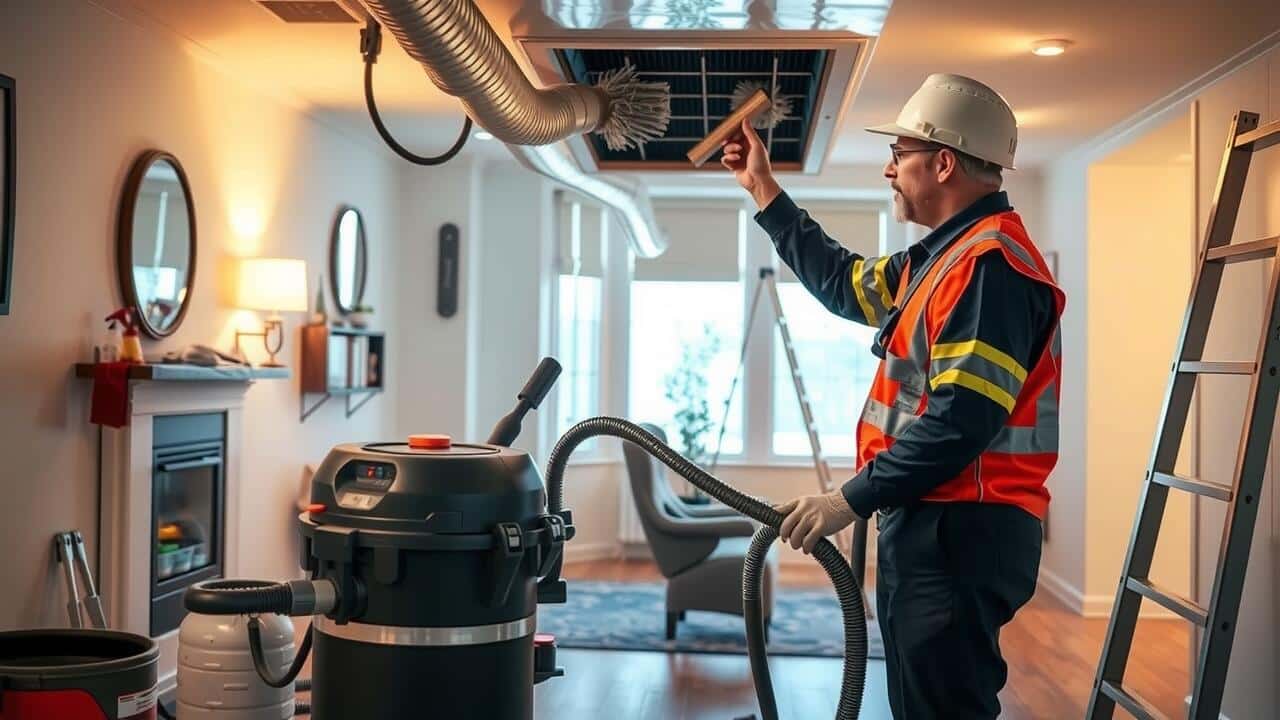
Table Of Contents
Common Price Range for Services
The average cost for air duct cleaning varies based on factors such as the size of the home and the complexity of the system. Generally, homeowners can expect to pay between $300 and $500 for a standard cleaning service. Larger homes or those with extensive ductwork may see prices exceeding $1,000. It’s essential to obtain quotes from multiple providers to better understand the pricing specific to your situation.
Several additional factors can influence the overall cost of air duct cleaning. The type of equipment used, the presence of additional services like sanitization, and the geographical location can all play significant roles. Homeowners should also consider potential add-ons that may be suggested by service providers, as these can contribute to the final bill. Understanding these variables helps in making informed decisions regarding air duct cleaning services.
What to Expect for Standard Residential Cleaning
Air duct cleaning for standard residential properties typically involves several key processes that ensure the thorough cleaning of your HVAC system. Technicians will begin by inspecting the ducts to assess their condition and identify any potential issues. After the inspection, they will use specialized equipment, such as vacuums and brushes, to remove dust, debris, and contaminants from the ducts. This cleaning often includes registers, grilles, and other components of the HVAC system, helping to improve air quality and system efficiency.
The cost of air duct cleaning can vary based on factors such as the size of your home, the complexity of the system, and your geographical location. Standard services are generally priced per vent or as a flat rate for the whole system. Homeowners can expect to pay anywhere from a few hundred to over a thousand dollars, depending on these factors. Some companies may also offer additional services such as sanitizing or sealing your ducts, which may lead to an increase in overall costs.
Discounts and Promotions Available
Many service providers offer discounts and promotions to attract new customers or retain existing ones. Seasonal offers can be a great way to save on Air Duct Cleaning services during peak times, such as spring or fall when homeowners often address their HVAC systems. Additionally, companies may provide limited-time discounts that encourage customers to schedule their cleaning sooner rather than later.
Package deals can also provide significant savings for those looking to address multiple services at once. For instance, combining Air Duct Cleaning with other HVAC maintenance tasks can result in reduced overall costs. It’s wise to inquire about any available offers when seeking quotes, as some companies may have exclusive deals not widely advertised.
Seasonal Offers and Package Deals
Seasonal offers and package deals can significantly enhance the affordability of Air Duct Cleaning services. Many companies look to attract customers during slower seasons, such as spring and fall, by providing discounts or special rates. These promotions could range from reduced pricing on individual cleanings to bundled services that might include additional maintenance tasks like dryer vent cleaning. Taking advantage of such deals can lead to considerable savings, especially for homeowners who may require more than one service.
Package deals often include complementary services that further improve HVAC efficiency and indoor air quality. For example, a company might offer Air Duct Cleaning along with filter replacements or system inspections at a reduced combined rate. This not only helps clients save money but also encourages them to keep their systems well-maintained. Seasonally timed offers can make it easier for homeowners to invest in crucial home upkeep without straining their budgets.
Importance of Certification for Cost
When considering the cost of Air Duct Cleaning, the certification of the service provider plays a crucial role. Certified technicians typically adhere to industry standards that ensure thorough and safe cleaning practices. Companies with certified professionals often charge higher fees compared to those without such qualifications. This elevated cost reflects the training and expertise required to perform quality work. Hiring certified experts can lead to better outcomes and potentially lower energy costs due to improved air flow efficiency.
In addition to enhancing the quality of services provided, certification can also influence pricing structures in the market. Companies that invest in proper training for their staff may offer more transparent pricing models, which may include detailed descriptions of services rendered. As a result, customers can weigh the benefits of higher-priced services against potential long-term savings in energy efficiency and indoor air quality. Prioritizing certified providers contributes not only to the effectiveness of Air Duct Cleaning but also to overall peace of mind for the homeowner.
Role of Industry Standards in Pricing
Industry standards play a crucial role in determining the pricing for Air Duct Cleaning services. Companies that adhere to established guidelines ensure a level of quality and thoroughness in their work. The National Air Duct Cleaners Association (NADCA) provides these standards, guiding service providers on best practices and safety protocols. Customers can often expect to pay more for services from certified professionals, as their training and adherence to these standards can significantly impact the overall effectiveness of the cleaning process.
Additionally, varying levels of certification and experience among service providers can lead to differences in pricing. Companies that invest in advanced training may charge higher rates due to their enhanced expertise. This investment often translates into better results and longer-lasting benefits for homeowners. Consumers should be aware that the lowest price may not always reflect the quality of service received, emphasizing the importance of balancing cost with the qualifications and standards upheld by Air Duct Cleaning professionals.
FAQS
How much does duct cleaning typically cost?
The typical cost for duct cleaning ranges from $300 to $500 for standard residential services, depending on the size of the home and the complexity of the job.
Are there any additional fees I should be aware of?
Additional fees can apply for specialized services, such as cleaning dryer vents, addressing mold, or if extensive repairs are needed. It’s best to ask for a detailed quote before services begin.
How often should I have my ducts cleaned?
It is generally recommended to have your ducts cleaned every 3 to 5 years, or more frequently if you have pets, allergies, or live in a dusty environment.
Can I find discounts or promotions for duct cleaning services?
Yes, many duct cleaning companies offer seasonal promotions or package deals, which can provide significant savings. Be sure to check their websites or call for current offers.
What should I look for in a duct cleaning service provider?
Look for a provider who is certified, follows industry standards, and has positive customer reviews. This ensures that you receive quality service at a fair price.